The Walk
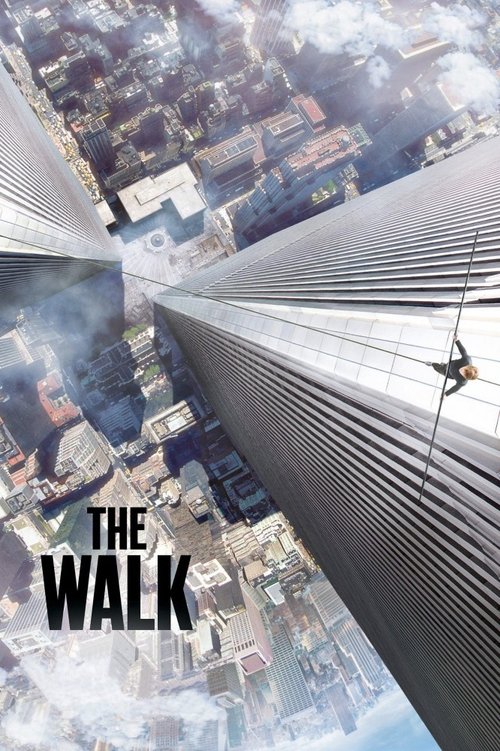
The story of French high-wire artist Philippe Petit's attempt to cross the Twin Towers of the World Trade Center in 1974.
Working with a mid-range budget of $35.0M, the film achieved a steady performer with $61.2M in global revenue (+75% profit margin).
3 wins & 17 nominations


Plot Structure
Story beats plotted across runtime


Narrative Arc
Emotional journey through the story's key moments
Story Circle
Blueprint 15-beat structure
Arcplot Score Breakdown
Weighted: Precision (70%) + Arc (15%) + Theme (15%)
The Walk (2015) exemplifies precise plot construction, characteristic of Robert Zemeckis's storytelling approach. This structural analysis examines how the film's 15-point plot structure maps to proven narrative frameworks across 2 hours and 3 minutes. With an Arcplot score of 7.1, the film balances conventional beats with creative variation.
Characters
Cast & narrative archetypes

Philippe Petit
Papa Rudy
Annie Allix
Jean-Louis Blondeau
Jeff
Jean-Pierre
Barry Greenhouse
Main Cast & Characters
Philippe Petit
Played by Joseph Gordon-Levitt
A French high-wire artist determined to walk between the Twin Towers. Passionate, obsessive, and fearless in pursuit of his artistic vision.
Papa Rudy
Played by Ben Kingsley
Philippe's mentor and father figure, a veteran circus performer who trains him in wire-walking. Wise, supportive, and concerned for his protégé's safety.
Annie Allix
Played by Charlotte Le Bon
Philippe's girlfriend and emotional anchor. She supports his dreams while worrying about his dangerous pursuits and struggling with being second to his obsession.
Jean-Louis Blondeau
Played by Clément Sibony
Philippe's best friend and first accomplice in the Twin Towers plan. Loyal, practical, and willing to take risks for his friend despite his own fears.
Jeff
Played by César Domboy
An American photographer and insider who helps Philippe gain access to the World Trade Center. Enthusiastic about the artistic coup but nervous about consequences.
Jean-Pierre
Played by James Badge Dale
A mathematical and technical accomplice who helps plan the logistics of the walk. Methodical and detail-oriented but prone to anxiety under pressure.
Barry Greenhouse
Played by Steve Valentine
An insurance executive at the World Trade Center who becomes an unexpected ally. Initially skeptical but ultimately captivated by Philippe's vision.
Structural Analysis
The Status Quo at 1 minutes (1% through the runtime) establishes Philippe stands on the Statue of Liberty's torch, narrating directly to camera. He is a street performer and dreamer in Paris, passionate but directionless.. Notably, this early placement immediately immerses viewers in the story world.
The inciting incident occurs at 15 minutes when Philippe sees a magazine article about the Twin Towers being built in New York. He tears out the page and becomes obsessed with the idea of walking between them.. At 12% through the film, this Disruption aligns precisely with traditional story structure. This beat shifts the emotional landscape, launching the protagonist into the central conflict.
The First Threshold at 31 minutes marks the transition into Act II, occurring at 25% of the runtime. This shows the protagonist's commitment to Philippe and his team arrive in New York City. He commits fully to the coup, making the active choice to pursue the impossible dream despite the enormous risks., moving from reaction to action.
At 63 minutes, the Midpoint arrives at 51% of the runtime—precisely centered, creating perfect narrative symmetry. Notably, this crucial beat False defeat: Philippe realizes the towers sway in the wind and the cable will be unstable. The challenge is far greater than anticipated. Stakes are raised; the danger becomes real., fundamentally raising what's at risk. The emotional intensity shifts, dividing the narrative into clear before-and-after phases.
The Collapse moment at 92 minutes (75% through) represents the emotional nadir. Here, On the night of the walk, Philippe and his crew struggle to rig the cable. Jeff abandons the mission. The wire isn't secure. Philippe faces his darkest moment: the dream is dying., shows the protagonist at their lowest point. This beat's placement in the final quarter sets up the climactic reversal.
The Second Threshold at 98 minutes initiates the final act resolution at 80% of the runtime. Philippe sees the dawn breaking and realizes: "This is it. The wire is calling me." He synthesizes all his training, passion, and Papa Rudy's wisdom. He chooses to step out., demonstrating the transformation achieved throughout the journey.
Emotional Journey
The Walk's emotional architecture traces a deliberate progression across 15 carefully calibrated beats.
Narrative Framework
This structural analysis employs proven narrative structure principles that track dramatic progression. By mapping The Walk against these established plot points, we can identify how Robert Zemeckis utilizes or subverts traditional narrative conventions. The plot point approach reveals not only adherence to structural principles but also creative choices that distinguish The Walk within the history genre.
Robert Zemeckis's Structural Approach
Among the 20 Robert Zemeckis films analyzed on Arcplot, the average structural score is 6.9, demonstrating varied approaches to story architecture. The Walk represents one of the director's most structurally precise works. For comparative analysis, explore the complete Robert Zemeckis filmography.
Comparative Analysis
Additional history films include The Attacks Of 26/11, Joyeux Noel and Rob Roy. For more Robert Zemeckis analyses, see Who Framed Roger Rabbit, Beowulf and Welcome to Marwen.
Plot Points by Act
Act I
SetupStatus Quo
Philippe stands on the Statue of Liberty's torch, narrating directly to camera. He is a street performer and dreamer in Paris, passionate but directionless.
Theme
Papa Rudy, Philippe's mentor, tells him: "To be on the wire is life. The rest is waiting." This captures the film's theme about living fully through one's passion.
Worldbuilding
Philippe's life as a street performer in Paris. He learns wire walking, meets Annie (his girlfriend), and develops his craft. Establishes his obsessive personality and artistic drive.
Disruption
Philippe sees a magazine article about the Twin Towers being built in New York. He tears out the page and becomes obsessed with the idea of walking between them.
Resistance
Philippe trains with Papa Rudy, assembles his crew, and performs successful wire walks at Notre Dame Cathedral and Sydney Harbour Bridge. He debates whether the World Trade Center walk is possible.
Act II
ConfrontationFirst Threshold
Philippe and his team arrive in New York City. He commits fully to the coup, making the active choice to pursue the impossible dream despite the enormous risks.
Mirror World
Philippe meets Barry Greenhouse and other American accomplices who believe in his vision. This new relationship world represents community and shared belief in art over practicality.
Premise
The fun of planning the heist. Philippe and crew scout the towers, gather intelligence, make plans, and test equipment. The promise of the premise: watching the impossible being planned in detail.
Midpoint
False defeat: Philippe realizes the towers sway in the wind and the cable will be unstable. The challenge is far greater than anticipated. Stakes are raised; the danger becomes real.
Opposition
Everything gets harder. Team conflicts emerge, Philippe becomes tyrannical, equipment fails, security nearly catches them. The pressure intensifies as the walk date approaches.
Collapse
On the night of the walk, Philippe and his crew struggle to rig the cable. Jeff abandons the mission. The wire isn't secure. Philippe faces his darkest moment: the dream is dying.
Crisis
Philippe processes the potential failure. The team is fractured. He must decide whether to proceed with imperfect conditions or abandon six years of preparation.
Act III
ResolutionSecond Threshold
Philippe sees the dawn breaking and realizes: "This is it. The wire is calling me." He synthesizes all his training, passion, and Papa Rudy's wisdom. He chooses to step out.
Synthesis
The walk itself. Philippe crosses eight times, dances, lies down, salutes the crowd below. He achieves his artistic vision. Police wait on both sides. The finale resolves all tension.
Transformation
Philippe, older and wiser on the Statue of Liberty, reflects: "I gave the towers my gift." He is no longer a dreamer but an artist who achieved the impossible. Complete transformation.