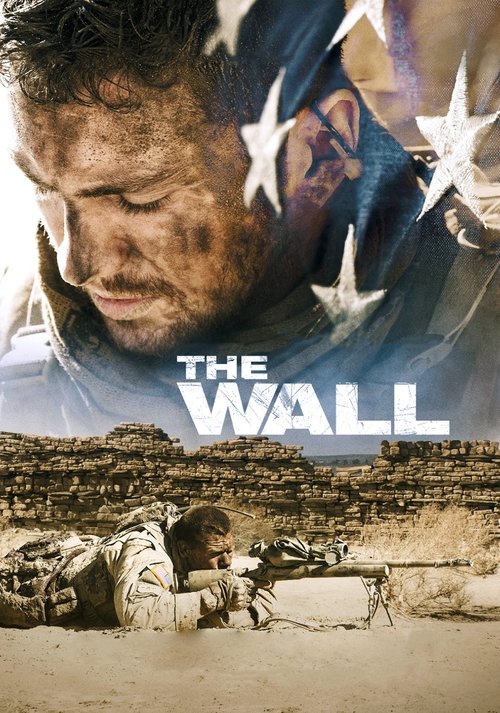
The Wall
An American sniper and his spotter engage in a deadly cat-and-mouse game with an Iraqi sniper.
Working with a small-scale budget of $3.0M, the film achieved a respectable showing with $4.5M in global revenue (+50% profit margin).


Plot Structure
Story beats plotted across runtime


Narrative Arc
Emotional journey through the story's key moments
Story Circle
Blueprint 15-beat structure
Arcplot Score Breakdown
Weighted: Precision (70%) + Arc (15%) + Theme (15%)
The Wall (2017) exhibits meticulously timed narrative design, characteristic of Doug Liman's storytelling approach. This structural analysis examines how the film's 15-point plot structure maps to proven narrative frameworks across 1 hour and 30 minutes. With an Arcplot score of 7.1, the film balances conventional beats with creative variation.
Characters
Cast & narrative archetypes

Isaac
Matthews
Juba
Main Cast & Characters
Isaac
Played by Aaron Taylor-Johnson
A U.S. Army staff sergeant trapped behind a crumbling wall by an Iraqi sniper, fighting for survival with dwindling resources.
Matthews
Played by John Cena
A confident and experienced sniper sergeant who becomes the first casualty, leaving Isaac alone to survive.
Juba
Played by Laith Nakli
An unseen Iraqi sniper who psychologically torments Isaac over the radio while systematically eliminating rescue attempts.
Structural Analysis
The Status Quo at 1 minutes (1% through the runtime) establishes Matthews and Isaac survey an Iraqi construction site through their scopes, a routine overwatch mission in the desert heat. Everything appears quiet, the bodies from an earlier attack lie still.. The analysis reveals that this early placement immediately immerses viewers in the story world.
The inciting incident occurs at 11 minutes when Matthews is shot by an unseen sniper when he approaches the construction site. Isaac rushes to help and is also shot in the leg, forced to take cover behind a crumbling wall.. At 12% through the film, this Disruption aligns precisely with traditional story structure. This beat shifts the emotional landscape, launching the protagonist into the central conflict.
The First Threshold at 22 minutes marks the transition into Act II, occurring at 25% of the runtime. This demonstrates the protagonist's commitment to Isaac commits to survival mode, accepting he must outsmart Juba to live. He begins fortifying the wall and engaging in the deadly cat-and-mouse game, knowing rescue may not come., moving from reaction to action.
At 44 minutes, the Midpoint arrives at 49% of the runtime—precisely centered, creating perfect narrative symmetry. The analysis reveals that this crucial beat Isaac discovers Juba has been impersonating headquarters on the radio, luring other units into ambushes. The false hope of rescue evaporates - he's completely alone and Juba has been manipulating everything., fundamentally raising what's at risk. The emotional intensity shifts, dividing the narrative into clear before-and-after phases.
The Collapse moment at 67 minutes (74% through) represents the emotional nadir. Here, Matthews dies from his wounds. Isaac witnesses his partner's death, losing his last connection to hope and the whiff of death becomes literal as he faces mortality alone., reveals the protagonist at their lowest point. This beat's placement in the final quarter sets up the climactic reversal.
The Second Threshold at 71 minutes initiates the final act resolution at 79% of the runtime. Isaac spots a pipe that might reveal Juba's position through reflection. He synthesizes his training with desperate innovation, choosing one final gambit to locate and eliminate his enemy., demonstrating the transformation achieved throughout the journey.
Emotional Journey
The Wall's emotional architecture traces a deliberate progression across 15 carefully calibrated beats.
Narrative Framework
This structural analysis employs a 15-point narrative structure framework that maps key story moments. By mapping The Wall against these established plot points, we can identify how Doug Liman utilizes or subverts traditional narrative conventions. The plot point approach reveals not only adherence to structural principles but also creative choices that distinguish The Wall within the war genre.
Doug Liman's Structural Approach
Among the 11 Doug Liman films analyzed on Arcplot, the average structural score is 7.0, demonstrating varied approaches to story architecture. The Wall represents one of the director's most structurally precise works. For comparative analysis, explore the complete Doug Liman filmography.
Comparative Analysis
Additional war films include Fury, Shenandoah and More American Graffiti. For more Doug Liman analyses, see Swingers, The Bourne Identity and Chaos Walking.
Plot Points by Act
Act I
SetupStatus Quo
Matthews and Isaac survey an Iraqi construction site through their scopes, a routine overwatch mission in the desert heat. Everything appears quiet, the bodies from an earlier attack lie still.
Theme
Matthews discusses the illusion of safety and control. "It's all about what you can see and what you can't" - foreshadowing the invisible enemy who sees everything.
Worldbuilding
The setup establishes the isolated desert location, the relationship between spotter Matthews and sniper Isaac, their mission protocols, and the dangerous post-war Iraqi environment where threats hide in plain sight.
Disruption
Matthews is shot by an unseen sniper when he approaches the construction site. Isaac rushes to help and is also shot in the leg, forced to take cover behind a crumbling wall.
Resistance
Isaac assesses his dire situation: wounded, pinned down, low on water, radio damaged. He attempts to call for help and begins psychological warfare with Juba, the enemy sniper who contacts him on the radio.
Act II
ConfrontationFirst Threshold
Isaac commits to survival mode, accepting he must outsmart Juba to live. He begins fortifying the wall and engaging in the deadly cat-and-mouse game, knowing rescue may not come.
Mirror World
Juba reveals himself through radio contact, pretending to be friendly forces. This psychological opponent mirrors Isaac's training and tactical skills, embodying the theme of invisible warfare and deception.
Premise
The premise delivers tense survival tactics: Isaac repairs his radio, tries to reach command, patches his wounds, conserves ammunition, and engages in psychological warfare with Juba while the wall slowly crumbles.
Midpoint
Isaac discovers Juba has been impersonating headquarters on the radio, luring other units into ambushes. The false hope of rescue evaporates - he's completely alone and Juba has been manipulating everything.
Opposition
Juba tightens the noose: Isaac's water runs out, his wounds worsen, the wall deteriorates under gunfire, and Juba psychologically torments him with personal information, demonstrating total dominance.
Collapse
Matthews dies from his wounds. Isaac witnesses his partner's death, losing his last connection to hope and the whiff of death becomes literal as he faces mortality alone.
Crisis
Isaac processes Matthews' death and his own impending doom. Severely wounded, dehydrated, and trapped, he confronts the futility of his situation and the darkness of his isolation.
Act III
ResolutionSecond Threshold
Isaac spots a pipe that might reveal Juba's position through reflection. He synthesizes his training with desperate innovation, choosing one final gambit to locate and eliminate his enemy.
Synthesis
Isaac executes his plan, spots Juba's position, and takes the shot. A rescue helicopter arrives. As Isaac is evacuated, Juba shoots down the helicopter, revealing he survived and the cycle of ambush continues.
Transformation
Isaac lies in the wreckage as Juba's voice returns on the radio, starting the process again with new victims. The transformation is tragic: from confident soldier to broken survivor, illustrating the unwinnable nature of this war.