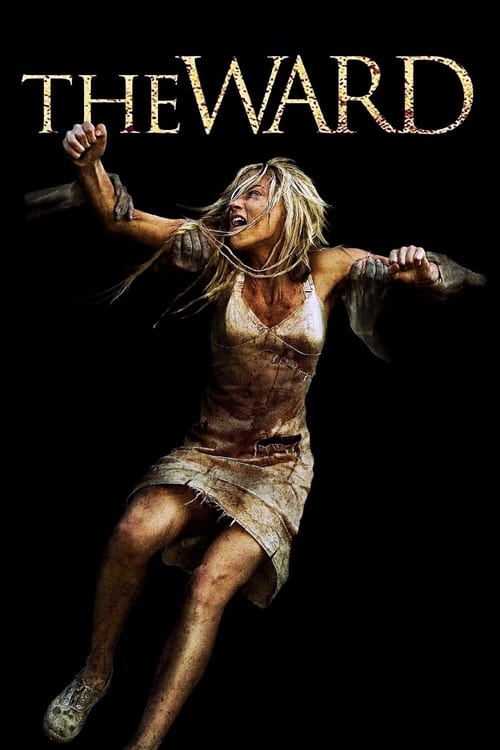
The Ward
Kristen, a troubled young woman, is captured by the police after burning down a farmhouse and is locked in the North Bend Psychiatric Hospital. Soon, she begins to suspect that the place has a dark secret at its core and she's determined to find out what it is.
The film struggled financially against its limited budget of $10.0M, earning $5.3M globally (-47% loss). While initial box office returns were modest, the film has gained appreciation for its unconventional structure within the horror genre.


Plot Structure
Story beats plotted across runtime


Narrative Arc
Emotional journey through the story's key moments
Story Circle
Blueprint 15-beat structure
Arcplot Score Breakdown
Weighted: Precision (70%) + Arc (15%) + Theme (15%)
The Ward (2010) exemplifies deliberately positioned narrative design, characteristic of John Carpenter's storytelling approach. This structural analysis examines how the film's 15-point plot structure maps to proven narrative frameworks across 1 hour and 28 minutes. With an Arcplot score of 7.1, the film balances conventional beats with creative variation.
Characters
Cast & narrative archetypes

Kristen
Iris
Sarah
Emily
Zoey
Alice Hudson
Dr. Gerald Stringer
Main Cast & Characters
Kristen
Played by Amber Heard
A young woman with amnesia who arrives at a psychiatric ward and becomes the target of a supernatural entity. Later revealed to be the core personality.
Iris
Played by Lyndsy Fonseca
A narcissistic and vain patient who obsesses over her appearance. One of the alternate personalities.
Sarah
Played by Danielle Panabaker
An artistic and creative patient who draws constantly. One of the alternate personalities.
Emily
Played by Mamie Gummer
A childlike and innocent patient who clings to a teddy bear. One of the alternate personalities.
Zoey
Played by Laura-Leigh
A rebellious and aggressive patient with a tough exterior. One of the alternate personalities.
Alice Hudson
Played by Mika Boorem
The original personality who was murdered, now a vengeful ghost hunting the other personalities.
Dr. Gerald Stringer
Played by Jared Harris
The psychiatrist treating the patients in the ward, attempting to help Kristen integrate her personalities.
Structural Analysis
The Status Quo at 1 minutes (1% through the runtime) establishes Kristen is captured after burning down a farmhouse, establishing her as a troubled young woman on the run in 1966.. Notably, this early placement immediately immerses viewers in the story world.
The inciting incident occurs at 11 minutes when Kristen sees a ghostly figure of a young woman with a mutilated face stalking the hallways, marking the arrival of supernatural horror into her confined world.. At 12% through the film, this Disruption aligns precisely with traditional story structure. This beat shifts the emotional landscape, launching the protagonist into the central conflict.
The First Threshold at 23 minutes marks the transition into Act II, occurring at 26% of the runtime. This demonstrates the protagonist's commitment to Kristen actively chooses to investigate the ghost and protect the other girls after Emily is violently attacked, committing herself to uncovering the truth rather than escaping., moving from reaction to action.
At 44 minutes, the Midpoint arrives at 51% of the runtime—precisely centered, creating perfect narrative symmetry. Significantly, this crucial beat Iris is brutally killed by the ghost. The stakes raise dramatically as Kristen realizes the spirit is systematically eliminating each of them, and escape may be impossible., fundamentally raising what's at risk. The emotional intensity shifts, dividing the narrative into clear before-and-after phases.
The Collapse moment at 66 minutes (75% through) represents the emotional nadir. Here, Sarah and Zoey are both killed. Kristen is alone, the last girl remaining, facing the revelation that all the other patients may have been manifestations of her fractured mind., illustrates the protagonist at their lowest point. This beat's placement in the final quarter sets up the climactic reversal.
The Second Threshold at 71 minutes initiates the final act resolution at 81% of the runtime. Kristen discovers the truth: she is actually Alice Hudson, and all the girls were her alternate personalities created to survive childhood trauma. She must integrate to survive., demonstrating the transformation achieved throughout the journey.
Emotional Journey
The Ward's emotional architecture traces a deliberate progression across 15 carefully calibrated beats.
Narrative Framework
This structural analysis employs a 15-point narrative structure framework that maps key story moments. By mapping The Ward against these established plot points, we can identify how John Carpenter utilizes or subverts traditional narrative conventions. The plot point approach reveals not only adherence to structural principles but also creative choices that distinguish The Ward within the horror genre.
John Carpenter's Structural Approach
Among the 16 John Carpenter films analyzed on Arcplot, the average structural score is 6.9, demonstrating varied approaches to story architecture. The Ward represents one of the director's most structurally precise works. For comparative analysis, explore the complete John Carpenter filmography.
Comparative Analysis
Additional horror films include Thinner, A Nightmare on Elm Street and Mary Reilly. For more John Carpenter analyses, see Halloween, In the Mouth of Madness and Escape from L.A..
Plot Points by Act
Act I
SetupStatus Quo
Kristen is captured after burning down a farmhouse, establishing her as a troubled young woman on the run in 1966.
Theme
Dr. Stringer tells Kristen that facing the truth about herself is the only path to freedom, hinting at the story's core theme of identity and self-confrontation.
Worldbuilding
Introduction to the North Bend Psychiatric Hospital, the other troubled patients (Iris, Emily, Sarah, Zoey), the strict institutional rules, and the mysterious disappearance of Tammy.
Disruption
Kristen sees a ghostly figure of a young woman with a mutilated face stalking the hallways, marking the arrival of supernatural horror into her confined world.
Resistance
Kristen debates whether the ghost is real or if she's losing her mind. She bonds with the other girls and begins investigating Tammy's disappearance while resisting Dr. Stringer's treatment.
Act II
ConfrontationFirst Threshold
Kristen actively chooses to investigate the ghost and protect the other girls after Emily is violently attacked, committing herself to uncovering the truth rather than escaping.
Mirror World
Kristen bonds with the other patients who become her makeshift family, representing the connection and identity she's been missing. Their shared trauma mirrors her own fractured psyche.
Premise
Kristen and the girls investigate the ghost, discovering clues about Alice Hudson, a former patient. The supernatural horror escalates with each girl being stalked and terrorized by the vengeful spirit.
Midpoint
Iris is brutally killed by the ghost. The stakes raise dramatically as Kristen realizes the spirit is systematically eliminating each of them, and escape may be impossible.
Opposition
The girls are picked off one by one as the ghost grows stronger. Kristen discovers more about Alice Hudson's history and violent death. Dr. Stringer's treatment becomes more aggressive and suspicious.
Collapse
Sarah and Zoey are both killed. Kristen is alone, the last girl remaining, facing the revelation that all the other patients may have been manifestations of her fractured mind.
Crisis
Kristen confronts the horrifying possibility that she is Alice Hudson, that her memories are false, and that she has multiple personalities representing the murdered girls.
Act III
ResolutionSecond Threshold
Kristen discovers the truth: she is actually Alice Hudson, and all the girls were her alternate personalities created to survive childhood trauma. She must integrate to survive.
Synthesis
The final confrontation with the ghost of her original self. Alice/Kristen must accept her true identity and the trauma she endured. The personalities merge in a violent psychological battle.
Transformation
Alice is seemingly integrated and prepared for release, but the final shot reveals the Kristen personality has taken over, suggesting the cycle of fractured identity continues.