The Wind That Shakes the Barley
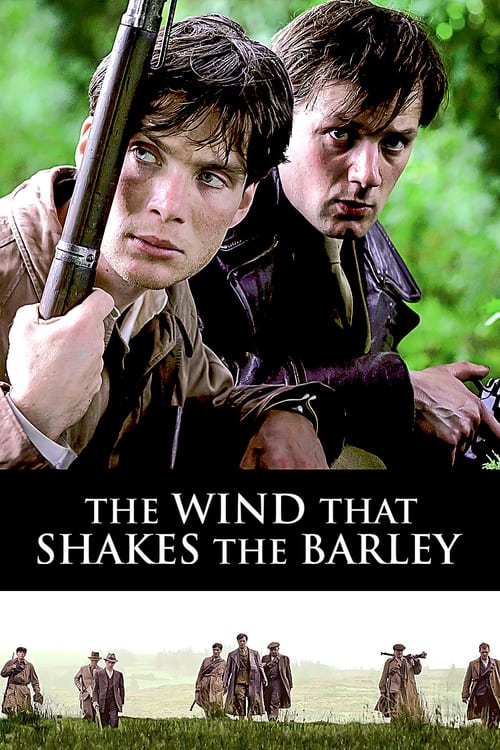
In 1920s Ireland young doctor Damien O'Donovan prepares to depart for a new job in a London hospital. As he says his goodbyes at a friend's farm, British Black and Tans arrive, and a young man is killed. Damien joins his brother Teddy in the Irish Republican Army, but political events are soon set in motion that tear the brothers apart.
Despite its modest budget of $6.5M, The Wind That Shakes the Barley became a solid performer, earning $22.9M worldwide—a 252% return. The film's unique voice resonated with audiences, showing that strong storytelling can transcend budget limitations.
7 wins & 24 nominations


Plot Structure
Story beats plotted across runtime


Narrative Arc
Emotional journey through the story's key moments
Story Circle
Blueprint 15-beat structure
Arcplot Score Breakdown
Weighted: Precision (70%) + Arc (15%) + Theme (15%)
The Wind That Shakes the Barley (2006) exhibits meticulously timed story structure, characteristic of Ken Loach's storytelling approach. This structural analysis examines how the film's 15-point plot structure maps to proven narrative frameworks across 2 hours and 7 minutes. With an Arcplot score of 6.6, the film balances conventional beats with creative variation.
Characters
Cast & narrative archetypes

Damien O'Donovan
Teddy O'Donovan
Sinéad Sullivan
Dan
Chris Reilly
Peggy O'Donovan
Main Cast & Characters
Damien O'Donovan
Played by Cillian Murphy
A young medical student who abandons his career in London to join the IRA and fight for Irish independence, eventually torn apart by the Civil War.
Teddy O'Donovan
Played by Pádraic Delaney
Damien's older brother and IRA commander who accepts the Anglo-Irish Treaty, leading to tragic conflict with his younger brother.
Sinéad Sullivan
Played by Orla Fitzgerald
A determined young woman committed to the republican cause who becomes romantically involved with Damien.
Dan
Played by Liam Cunningham
A veteran IRA member and train driver who remains loyal to the anti-Treaty cause alongside Damien.
Chris Reilly
Played by John Crean
A young idealistic member of Damien's IRA flying column who struggles with the violence of guerrilla warfare.
Peggy O'Donovan
Played by Mary Riordan
The mother of Damien and Teddy who witnesses her family torn apart by political divisions.
Structural Analysis
The Status Quo at 1 minutes (1% through the runtime) establishes Damien O'Donovan plays hurling with friends in rural Cork, establishing his peaceful life as a doctor about to leave for London. The community is tight-knit and traditional.. Structural examination shows that this early placement immediately immerses viewers in the story world.
The inciting incident occurs at 15 minutes when British forces brutally beat Damien's train driver friend Micheail for refusing to speak English and transport British troops. Damien witnesses the savage violence and humiliation of his people firsthand.. At 12% through the film, this Disruption aligns precisely with traditional story structure. This beat shifts the emotional landscape, launching the protagonist into the central conflict.
The First Threshold at 32 minutes marks the transition into Act II, occurring at 25% of the runtime. This shows the protagonist's commitment to Damien makes the active choice to stay in Ireland and join the IRA flying column with Teddy, abandoning his medical career in London to become a guerrilla fighter against British forces., moving from reaction to action.
At 64 minutes, the Midpoint arrives at 50% of the runtime—precisely centered, creating perfect narrative symmetry. Of particular interest, this crucial beat The Anglo-Irish Treaty is announced. A truce is declared, and it seems the war is won. The fighters celebrate their apparent victory, believing they've achieved Irish independence—a false victory that will soon divide them., fundamentally raising what's at risk. The emotional intensity shifts, dividing the narrative into clear before-and-after phases.
The Collapse moment at 96 minutes (75% through) represents the emotional nadir. Here, Damien is captured by Free State forces led by his own brother Teddy. The whiff of death: their bond is dead, and Damien faces execution. Everything he fought for—unity, brotherhood, freedom—has collapsed into fratricide., demonstrates the protagonist at their lowest point. This beat's placement in the final quarter sets up the climactic reversal.
The Second Threshold at 102 minutes initiates the final act resolution at 80% of the runtime. Damien refuses to compromise his principles even to save his life. He accepts his fate with clarity: he will die for the Republic rather than betray it. This is his final synthesis of conviction over survival., demonstrating the transformation achieved throughout the journey.
Emotional Journey
The Wind That Shakes the Barley's emotional architecture traces a deliberate progression across 15 carefully calibrated beats.
Narrative Framework
This structural analysis employs systematic plot point analysis that identifies crucial turning points. By mapping The Wind That Shakes the Barley against these established plot points, we can identify how Ken Loach utilizes or subverts traditional narrative conventions. The plot point approach reveals not only adherence to structural principles but also creative choices that distinguish The Wind That Shakes the Barley within the drama genre.
Ken Loach's Structural Approach
Among the 7 Ken Loach films analyzed on Arcplot, the average structural score is 6.8, demonstrating varied approaches to story architecture. The Wind That Shakes the Barley takes a more unconventional approach compared to the director's typical style. For comparative analysis, explore the complete Ken Loach filmography.
Comparative Analysis
Additional drama films include After Thomas, South Pacific and Dirty Dancing: Havana Nights. For more Ken Loach analyses, see Looking for Eric, Jimmy's Hall and I, Daniel Blake.
Plot Points by Act
Act I
SetupStatus Quo
Damien O'Donovan plays hurling with friends in rural Cork, establishing his peaceful life as a doctor about to leave for London. The community is tight-knit and traditional.
Theme
After witnessing British brutality, a character states the core dilemma: whether to resist oppression through violence or maintain one's principles and humanity. The cost of freedom is questioned.
Worldbuilding
Introduction to 1920 Ireland under British occupation: Damien's plans to leave for London, his brother Teddy's activism, the tight community bonds, and escalating tensions with British forces and the Black and Tans.
Disruption
British forces brutally beat Damien's train driver friend Micheail for refusing to speak English and transport British troops. Damien witnesses the savage violence and humiliation of his people firsthand.
Resistance
Damien wrestles with his decision to leave Ireland. He debates with Teddy and others about resistance versus acceptance. He witnesses more atrocities and gradually realizes he cannot abandon his country.
Act II
ConfrontationFirst Threshold
Damien makes the active choice to stay in Ireland and join the IRA flying column with Teddy, abandoning his medical career in London to become a guerrilla fighter against British forces.
Mirror World
Damien's relationship with Sinead deepens as she supports the resistance. She represents the personal, human cost of the struggle and the life Damien fights to protect—love, community, Irish identity.
Premise
The IRA column wages guerrilla warfare: ambushes, raids, evading capture. Damien transforms from doctor to soldier. Brotherhood, camaraderie, and small victories against the British. The promise of liberation drives them forward.
Midpoint
The Anglo-Irish Treaty is announced. A truce is declared, and it seems the war is won. The fighters celebrate their apparent victory, believing they've achieved Irish independence—a false victory that will soon divide them.
Opposition
The Treaty splits the IRA. Teddy accepts the compromise; Damien sees it as betrayal of the Republic. Former brothers become enemies. The Irish Civil War begins. Ideological divisions destroy friendships and families.
Collapse
Damien is captured by Free State forces led by his own brother Teddy. The whiff of death: their bond is dead, and Damien faces execution. Everything he fought for—unity, brotherhood, freedom—has collapsed into fratricide.
Crisis
Damien is imprisoned and tortured. Teddy tries to save him, begging him to reveal information. Both brothers are trapped by their principles. The dark night of impossible choices and the recognition that their war has destroyed them.
Act III
ResolutionSecond Threshold
Damien refuses to compromise his principles even to save his life. He accepts his fate with clarity: he will die for the Republic rather than betray it. This is his final synthesis of conviction over survival.
Synthesis
Damien is executed by firing squad commanded by Teddy. The execution happens. Sinead delivers Damien's final letter. The brutal cost of the Civil War is made devastatingly clear. There are no winners, only tragedy.
Transformation
Teddy, broken, reads Damien's letter at the graveside. The transformation is tragic: from brothers in arms to executioner and executed. The cost of principle and division has destroyed everything they loved. Ireland is free but shattered.