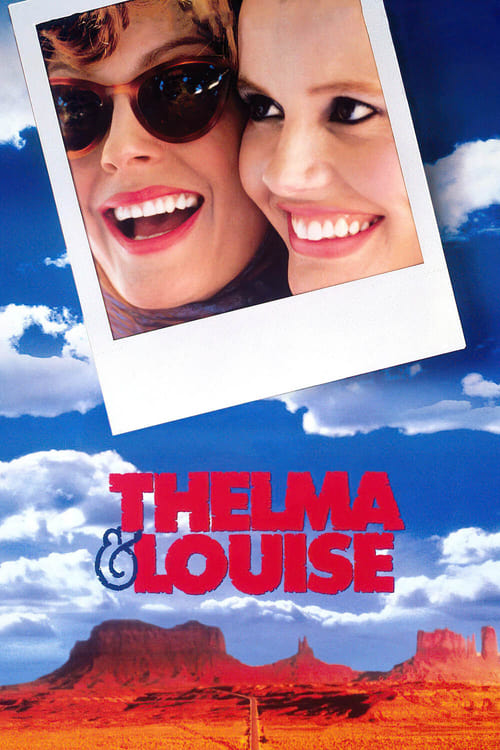
Thelma & Louise
Taking a break from their dreary lives, close friends Thelma and Louise embark on a short weekend trip that ends in unforeseen incriminating circumstances. As fugitives, both women rediscover the strength of their bond and their newfound resilience.
Despite a moderate budget of $16.0M, Thelma & Louise became a box office success, earning $45.4M worldwide—a 184% return.
1 Oscar. 24 wins & 52 nominations


Plot Structure
Story beats plotted across runtime


Narrative Arc
Emotional journey through the story's key moments
Story Circle
Blueprint 15-beat structure
Arcplot Score Breakdown
Weighted: Precision (70%) + Arc (15%) + Theme (15%)
Thelma & Louise (1991) showcases deliberately positioned plot construction, characteristic of Ridley Scott's storytelling approach. This structural analysis examines how the film's 15-point plot structure maps to proven narrative frameworks across 2 hours and 10 minutes. With an Arcplot score of 6.8, the film balances conventional beats with creative variation.
Characters
Cast & narrative archetypes

Thelma Dickinson
Louise Sawyer
Hal Slocumb
J.D.
Darryl Dickinson
Main Cast & Characters
Thelma Dickinson
Played by Geena Davis
A naive, repressed housewife who discovers her own strength and agency during a road trip that becomes a flight from the law.
Louise Sawyer
Played by Susan Sarandon
A pragmatic, world-weary waitress who shoots a man attempting to rape her friend and becomes a fugitive alongside Thelma.
Hal Slocumb
Played by Harvey Keitel
A sympathetic Arkansas detective who tries to bring Thelma and Louise in peacefully while understanding their circumstances.
J.D.
Played by Brad Pitt
A charming young drifter and thief who seduces Thelma and steals their money, forcing them deeper into crime.
Darryl Dickinson
Played by Christopher McDonald
Thelma's controlling, condescending husband who represents the oppressive life she leaves behind.
Structural Analysis
The Status Quo at 1 minutes (1% through the runtime) establishes Thelma is shown in her mundane, oppressed domestic life with controlling husband Darryl, while Louise works as a waitress. Both women are trapped in unfulfilling existences, yearning for escape.. Structural examination shows that this early placement immediately immerses viewers in the story world.
The inciting incident occurs at 16 minutes when At the roadhouse bar, Harlan attempts to rape Thelma in the parking lot. Louise intervenes with her gun, and when Harlan makes a crude remark, she shoots and kills him. Their lives are irrevocably changed.. At 12% through the film, this Disruption aligns precisely with traditional story structure. This beat shifts the emotional landscape, launching the protagonist into the central conflict.
The First Threshold at 33 minutes marks the transition into Act II, occurring at 25% of the runtime. This illustrates the protagonist's commitment to Louise and Thelma consciously choose to run rather than face a justice system that won't believe them. They commit to the road, crossing into outlaw territory with no way back to their former lives., moving from reaction to action.
At 65 minutes, the Midpoint arrives at 50% of the runtime—precisely centered, creating perfect narrative symmetry. The analysis reveals that this crucial beat Thelma discovers J.D. Has stolen all of Louise's money - their entire escape fund. This false defeat raises the stakes dramatically; they're now fugitives with no resources and the law closing in., fundamentally raising what's at risk. The emotional intensity shifts, dividing the narrative into clear before-and-after phases.
The Collapse moment at 98 minutes (75% through) represents the emotional nadir. Here, The women are surrounded by police at the Grand Canyon's edge. Detective Hal desperately tries to help them, but the FBI takes over. There is no escape; their freedom has reached its terminus., indicates the protagonist at their lowest point. This beat's placement in the final quarter sets up the climactic reversal.
The Second Threshold at 104 minutes initiates the final act resolution at 80% of the runtime. Thelma says, "Let's not get caught. Let's keep going." They choose to drive forward rather than surrender. This is their synthesis - they'd rather die free than live imprisoned, either literally or in their old lives., demonstrating the transformation achieved throughout the journey.
Emotional Journey
Thelma & Louise's emotional architecture traces a deliberate progression across 15 carefully calibrated beats.
Narrative Framework
This structural analysis employs proven narrative structure principles that track dramatic progression. By mapping Thelma & Louise against these established plot points, we can identify how Ridley Scott utilizes or subverts traditional narrative conventions. The plot point approach reveals not only adherence to structural principles but also creative choices that distinguish Thelma & Louise within the drama genre.
Ridley Scott's Structural Approach
Among the 24 Ridley Scott films analyzed on Arcplot, the average structural score is 6.5, demonstrating varied approaches to story architecture. Thelma & Louise represents one of the director's most structurally precise works. For comparative analysis, explore the complete Ridley Scott filmography.
Comparative Analysis
Additional drama films include After Thomas, South Pacific and Dirty Dancing: Havana Nights. For more Ridley Scott analyses, see Alien, White Squall and American Gangster.
Plot Points by Act
Act I
SetupStatus Quo
Thelma is shown in her mundane, oppressed domestic life with controlling husband Darryl, while Louise works as a waitress. Both women are trapped in unfulfilling existences, yearning for escape.
Theme
Louise tells Thelma on the phone about their weekend getaway, emphasizing the need to "get away" - the theme of escape and freedom is established, foreshadowing their journey toward liberation.
Worldbuilding
We meet Thelma trapped under Darryl's thumb, Louise working hard at the diner, and see them prepare for their fishing trip. The world of male dominance and female constraint is established through Darryl's condescension and Thelma's hesitance.
Disruption
At the roadhouse bar, Harlan attempts to rape Thelma in the parking lot. Louise intervenes with her gun, and when Harlan makes a crude remark, she shoots and kills him. Their lives are irrevocably changed.
Resistance
Louise and Thelma debate what to do - go to the police or run. Louise refuses to go through Texas, hinting at her past trauma. They decide to flee to Mexico. Louise calls her boyfriend Jimmy for money while Thelma grows increasingly anxious.
Act II
ConfrontationFirst Threshold
Louise and Thelma consciously choose to run rather than face a justice system that won't believe them. They commit to the road, crossing into outlaw territory with no way back to their former lives.
Mirror World
J.D., a charming young hitchhiker, enters the story. He represents freedom, sexuality, and risk. Simultaneously, Detective Hal Slocumb begins investigating, becoming the sympathetic male counterpoint who understands the women's plight.
Premise
The women embrace life on the run. Thelma has a liberating sexual encounter with J.D. and discovers her own agency. They drive through stunning landscapes, bonding and experiencing freedom for the first time. The "promise of the premise" delivers road-trip liberation.
Midpoint
Thelma discovers J.D. has stolen all of Louise's money - their entire escape fund. This false defeat raises the stakes dramatically; they're now fugitives with no resources and the law closing in.
Opposition
Thelma robs a convenience store using J.D.'s techniques. The FBI intensifies their pursuit. They lock a policeman in his trunk, blow up a tanker truck belonging to a harassing trucker, and become folk heroes even as the noose tightens.
Collapse
The women are surrounded by police at the Grand Canyon's edge. Detective Hal desperately tries to help them, but the FBI takes over. There is no escape; their freedom has reached its terminus.
Crisis
Cornered at the canyon, Louise and Thelma share a profound moment. They reflect on their journey and what they've become. Hal pleads with them to surrender, offering genuine empathy, but they know returning means losing everything they've gained.
Act III
ResolutionSecond Threshold
Thelma says, "Let's not get caught. Let's keep going." They choose to drive forward rather than surrender. This is their synthesis - they'd rather die free than live imprisoned, either literally or in their old lives.
Synthesis
The women kiss, hold hands, and Louise accelerates toward the canyon. Hal runs desperately toward them, but cannot stop what has been set in motion. They choose their own ending on their own terms.
Transformation
The iconic freeze-frame of the Thunderbird soaring over the Grand Canyon. In contrast to the opening image of confinement, they achieve ultimate freedom. The image freezes in sunlight - transcendent, eternal, transformed.