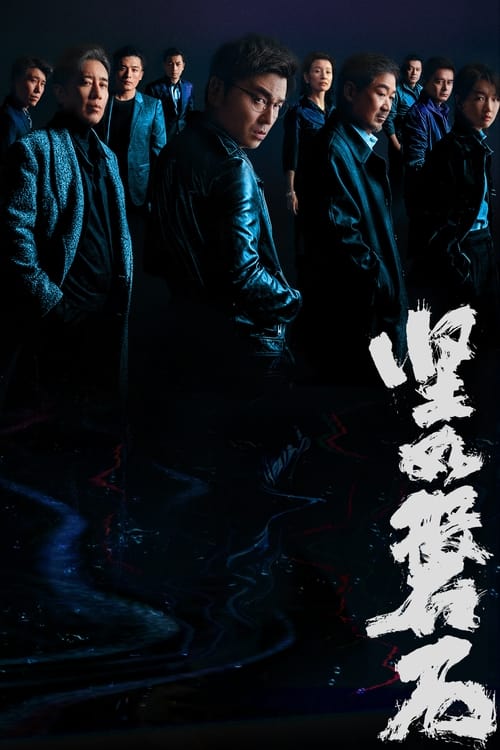
Under the Light
Officers Su Jianming and Li Huilin investigate a crime involving wealthy businessman Li Zhitian. As clues emerge, the investigation becomes more and more like a game of chess.
The film earned $62.6M at the global box office.
Plot Structure
Story beats plotted across runtime


Narrative Arc
Emotional journey through the story's key moments
Story Circle
Blueprint 15-beat structure
Arcplot Score Breakdown
Weighted: Precision (70%) + Arc (15%) + Theme (15%)
Under the Light (2023) reveals deliberately positioned narrative architecture, characteristic of Zhang Yimou's storytelling approach. This structural analysis examines how the film's 11-point plot structure maps to proven narrative frameworks across 2 hours and 8 minutes. With an Arcplot score of 6.8, the film balances conventional beats with creative variation.
Structural Analysis
The Status Quo at 2 minutes (1% through the runtime) establishes Prosecutor Su Jianming is introduced as a methodical, by-the-book legal professional working within the system, confident in the judicial process and his role as a seeker of truth.. Significantly, this early placement immediately immerses viewers in the story world.
The inciting incident occurs at 15 minutes when Su discovers inconsistencies in the Zhu Yongnian case evidence. What appeared to be an open-and-shut murder case reveals troubling gaps that suggest either corruption or a miscarriage of justice.. At 12% through the film, this Disruption aligns precisely with traditional story structure. This beat shifts the emotional landscape, launching the protagonist into the central conflict.
At 64 minutes, the Midpoint arrives at 50% of the runtime—precisely centered, creating perfect narrative symmetry. Significantly, this crucial beat Su discovers a major revelation - false victory turns to false defeat as he realizes the corruption goes deeper than one case, implicating powerful figures. The stakes escalate from solving one case to exposing systemic rot., fundamentally raising what's at risk. The emotional intensity shifts, dividing the narrative into clear before-and-after phases.
The Collapse moment at 96 minutes (75% through) represents the emotional nadir. Here, Su's investigation is shut down by superiors, or a key witness/ally is silenced or betrayed. Su faces career destruction and the apparent death of his quest for justice. The case seems lost., indicates the protagonist at their lowest point. This beat's placement in the final quarter sets up the climactic reversal.
The Synthesis at 102 minutes initiates the final act resolution at 80% of the runtime. Su executes his final strategy - whether through legal maneuvering, public exposure, or bringing evidence to higher authorities. The confrontation with corrupt forces and the resolution of the Zhu Yongnian case., demonstrating the transformation achieved throughout the journey.
Emotional Journey
Under the Light's emotional architecture traces a deliberate progression across 11 carefully calibrated beats.
Narrative Framework
This structural analysis employs structural analysis methodology used to understand storytelling architecture. By mapping Under the Light against these established plot points, we can identify how Zhang Yimou utilizes or subverts traditional narrative conventions. The plot point approach reveals not only adherence to structural principles but also creative choices that distinguish Under the Light within the drama genre.
Zhang Yimou's Structural Approach
Among the 11 Zhang Yimou films analyzed on Arcplot, the average structural score is 6.8, demonstrating varied approaches to story architecture. Under the Light takes a more unconventional approach compared to the director's typical style. For comparative analysis, explore the complete Zhang Yimou filmography.
Comparative Analysis
Additional drama films include Eye for an Eye, South Pacific and Kiss of the Spider Woman. For more Zhang Yimou analyses, see The Great Wall, Coming Home and Cliff Walkers.
Plot Points by Act
Act I
SetupStatus Quo
Prosecutor Su Jianming is introduced as a methodical, by-the-book legal professional working within the system, confident in the judicial process and his role as a seeker of truth.
Theme
A colleague or superior remarks that "the truth isn't always what it appears to be" or questions whether justice is about facts or conclusions, foreshadowing Su's journey into moral ambiguity.
Worldbuilding
Establishment of the Chinese prosecutorial system, Su's professional life, his relationships with colleagues, and the initial details of the Zhu Yongnian case - a seemingly straightforward murder investigation.
Disruption
Su discovers inconsistencies in the Zhu Yongnian case evidence. What appeared to be an open-and-shut murder case reveals troubling gaps that suggest either corruption or a miscarriage of justice.
Resistance
Su debates whether to pursue the inconsistencies or accept the official narrative. He consults with mentors, reviews evidence, and wrestles with the professional and personal risks of challenging the system.
Act II
ConfrontationPremise
Su actively investigates, conducting interviews, re-examining evidence, and piecing together what really happened. This is the "detective work" portion where he navigates bureaucracy and uncovers layers of deception.
Midpoint
Su discovers a major revelation - false victory turns to false defeat as he realizes the corruption goes deeper than one case, implicating powerful figures. The stakes escalate from solving one case to exposing systemic rot.
Opposition
Pressure mounts as corrupt officials and powerful interests work against Su. He faces professional threats, personal danger, isolation from colleagues, and obstacles at every turn as he gets closer to the truth.
Collapse
Su's investigation is shut down by superiors, or a key witness/ally is silenced or betrayed. Su faces career destruction and the apparent death of his quest for justice. The case seems lost.
Crisis
Su processes his failure and loss. Dark night of the soul where he questions whether the system can ever deliver true justice, and whether his idealism was naive. He must decide who he is and what he stands for.
Act III
ResolutionSynthesis
Su executes his final strategy - whether through legal maneuvering, public exposure, or bringing evidence to higher authorities. The confrontation with corrupt forces and the resolution of the Zhu Yongnian case.