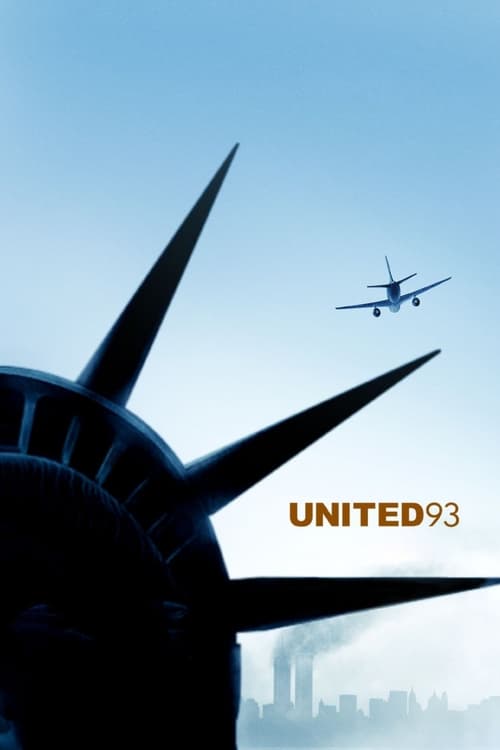
United 93
A real-time account of the events on United Flight 93, one of the planes hijacked on 9/11 that crashed near Shanksville, Pennsylvania when passengers foiled the terrorist plot.
Despite a mid-range budget of $15.0M, United 93 became a financial success, earning $76.3M worldwide—a 409% return.
Nominated for 2 Oscars. 29 wins & 58 nominations


Plot Structure
Story beats plotted across runtime


Narrative Arc
Emotional journey through the story's key moments
Story Circle
Blueprint 15-beat structure
Arcplot Score Breakdown
Weighted: Precision (70%) + Arc (15%) + Theme (15%)
United 93 (2006) reveals strategically placed narrative architecture, characteristic of Paul Greengrass's storytelling approach. This structural analysis examines how the film's 15-point plot structure maps to proven narrative frameworks across 1 hour and 51 minutes. With an Arcplot score of 6.0, the film takes an unconventional approach to traditional narrative frameworks.
Characters
Cast & narrative archetypes

Todd Beamer
Mark Bingham
Tom Burnett
Jeremy Glick
Ziad Jarrah
Honor Elizabeth Wainio
Lauren Grandcolas
Ben Sliney
Main Cast & Characters
Todd Beamer
Played by David Alan Basche
Passenger who helps lead the rebellion against hijackers, known for "Let's roll" rallying cry
Mark Bingham
Played by Cheyenne Jackson
Rugby player and passenger who joins the revolt against terrorists
Tom Burnett
Played by Christian Clemenson
Business executive who makes calls to his wife and helps organize passenger resistance
Jeremy Glick
Played by Peter Hermann
Former judo champion who participates in the passenger uprising
Ziad Jarrah
Played by Khalid Abdalla
Lebanese hijacker pilot who struggles with moral conflict while piloting the plane
Honor Elizabeth Wainio
Played by Trish Gates
Passenger who calls her stepmother before joining the revolt
Lauren Grandcolas
Played by Becky London
Pregnant passenger who connects with others during the crisis
Ben Sliney
Played by Ben Sliney
FAA National Operations Manager on his first day making critical decisions to ground all planes
Structural Analysis
The Status Quo at 1 minutes (1% through the runtime) establishes Ordinary morning routine as hijackers pray and passengers prepare for their flights at Newark Airport, establishing the mundane normalcy before catastrophe.. The analysis reveals that this early placement immediately immerses viewers in the story world.
The inciting incident occurs at 14 minutes when Flight 93 takes off delayed from Newark as news begins filtering through air traffic control about American Airlines Flight 11 losing contact - the first indication something is wrong.. At 13% through the film, this Disruption is delayed, allowing extended setup of the story world. This beat shifts the emotional landscape, launching the protagonist into the central conflict.
The First Threshold at 30 minutes marks the transition into Act II, occurring at 27% of the runtime. This illustrates the protagonist's commitment to The hijackers violently seize control of Flight 93, killing the pilots and taking command of the aircraft, forcing passengers into the new reality of their situation., moving from reaction to action.
At 56 minutes, the Midpoint arrives at 50% of the runtime—precisely centered, creating perfect narrative symmetry. Notably, this crucial beat Passengers confirm that the Twin Towers have been hit and realize their plane is likely intended for a similar attack; the stakes crystallize from personal survival to preventing mass murder., fundamentally raising what's at risk. The emotional intensity shifts, dividing the narrative into clear before-and-after phases.
The Collapse moment at 82 minutes (74% through) represents the emotional nadir. Here, The moment of "Let's roll" - passengers make their final calls and commit to the assault, accepting they will likely die but choosing to fight rather than be complicit in more deaths., demonstrates the protagonist at their lowest point. This beat's placement in the final quarter sets up the climactic reversal.
The Second Threshold at 91 minutes initiates the final act resolution at 82% of the runtime. Passengers breach the cockpit door and charge forward with their improvised assault, actively choosing heroism and sacrifice over passive victimhood., demonstrating the transformation achieved throughout the journey.
Emotional Journey
United 93's emotional architecture traces a deliberate progression across 15 carefully calibrated beats.
Narrative Framework
This structural analysis employs a 15-point narrative structure framework that maps key story moments. By mapping United 93 against these established plot points, we can identify how Paul Greengrass utilizes or subverts traditional narrative conventions. The plot point approach reveals not only adherence to structural principles but also creative choices that distinguish United 93 within the drama genre.
Paul Greengrass's Structural Approach
Among the 7 Paul Greengrass films analyzed on Arcplot, the average structural score is 6.9, demonstrating varied approaches to story architecture. United 93 takes a more unconventional approach compared to the director's typical style. For comparative analysis, explore the complete Paul Greengrass filmography.
Comparative Analysis
Additional drama films include After Thomas, South Pacific and Dirty Dancing: Havana Nights. For more Paul Greengrass analyses, see The Bourne Supremacy, Green Zone and News of the World.
Plot Points by Act
Act I
SetupStatus Quo
Ordinary morning routine as hijackers pray and passengers prepare for their flights at Newark Airport, establishing the mundane normalcy before catastrophe.
Theme
Air traffic controller mentions "it's going to be a beautiful day for flying" - ironic foreshadowing of the day's events and theme of ordinary people facing extraordinary evil.
Worldbuilding
Parallel setup of passengers boarding Flight 93, air traffic control operations, and military command centers establishing the interconnected systems of commercial aviation on September 11th.
Disruption
Flight 93 takes off delayed from Newark as news begins filtering through air traffic control about American Airlines Flight 11 losing contact - the first indication something is wrong.
Resistance
Mounting confusion and disbelief as controllers and military officials try to comprehend multiple hijackings; Flight 93 passengers remain unaware while flying normally toward their intended destination.
Act II
ConfrontationFirst Threshold
The hijackers violently seize control of Flight 93, killing the pilots and taking command of the aircraft, forcing passengers into the new reality of their situation.
Mirror World
Passengers begin making phone calls to loved ones, creating emotional connections to the outside world and learning about the World Trade Center attacks, transforming their understanding.
Premise
Passengers gather information through phone calls, piece together the truth about the other attacks, and begin debating whether they are also headed toward a target in a suicide mission.
Midpoint
Passengers confirm that the Twin Towers have been hit and realize their plane is likely intended for a similar attack; the stakes crystallize from personal survival to preventing mass murder.
Opposition
Passengers organize and prepare to fight back, taking votes, saying final goodbyes to families, and gathering makeshift weapons while hijackers grow increasingly nervous about passenger activity.
Collapse
The moment of "Let's roll" - passengers make their final calls and commit to the assault, accepting they will likely die but choosing to fight rather than be complicit in more deaths.
Crisis
Brief interval of final prayers, preparation, and emotional farewells as passengers steel themselves for the violent confrontation ahead, knowing there may be no survival.
Act III
ResolutionSecond Threshold
Passengers breach the cockpit door and charge forward with their improvised assault, actively choosing heroism and sacrifice over passive victimhood.
Synthesis
Violent struggle for control of the aircraft as passengers fight hijackers in the cockpit; hijacker pilot rolls the plane to thwart the revolt, ultimately forcing the plane into a nosedive toward the ground.
Transformation
Flight 93 crashes into an empty field in Shanksville, Pennsylvania at 10:03 AM; ordinary people transformed into heroes who prevented further catastrophe through their sacrifice.