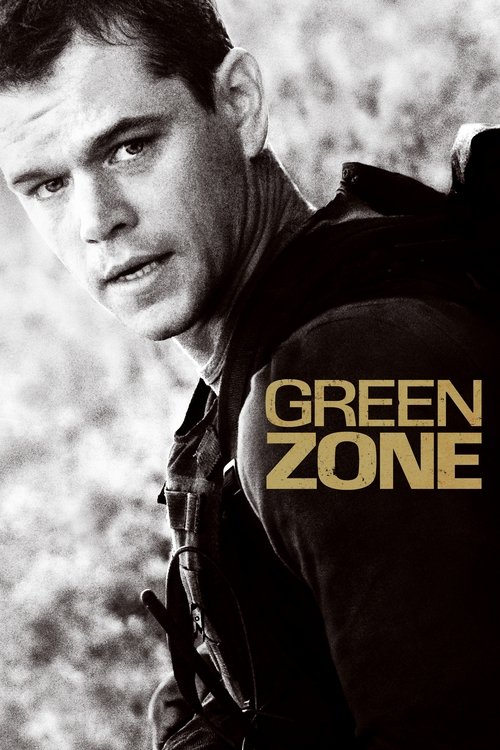
Green Zone
During the U.S.-led occupation of Baghdad in 2003, Chief Warrant Officer Roy Miller and his team of Army inspectors are dispatched to find weapons of mass destruction believed to be stockpiled in the Iraqi desert. Rocketing from one booby-trapped and treacherous site to the next, the men search for deadly chemical agents but stumble instead upon an elaborate cover-up that threatens to invert the purpose of their mission.
The film disappointed at the box office against its substantial budget of $100.0M, earning $94.9M globally (-5% loss).


Plot Structure
Story beats plotted across runtime


Narrative Arc
Emotional journey through the story's key moments
Story Circle
Blueprint 15-beat structure
Arcplot Score Breakdown
Weighted: Precision (70%) + Arc (15%) + Theme (15%)
Green Zone (2010) demonstrates deliberately positioned dramatic framework, characteristic of Paul Greengrass's storytelling approach. This structural analysis examines how the film's 15-point plot structure maps to proven narrative frameworks across 1 hour and 55 minutes. With an Arcplot score of 6.9, the film balances conventional beats with creative variation.
Characters
Cast & narrative archetypes

Chief Warrant Officer Roy Miller
Martin Brown
Clark Poundstone
Lawrie Dayne
Freddy
General Al Rawi
Main Cast & Characters
Chief Warrant Officer Roy Miller
Played by Matt Damon
U.S. Army officer leading WMD search teams who becomes disillusioned when promised weapons sites turn up empty, driving him to uncover the truth behind the Iraq War intelligence.
Martin Brown
Played by Brendan Gleeson
CIA operative working to maintain the official WMD narrative and protect his source "Magellan" from being exposed as unreliable.
Clark Poundstone
Played by Greg Kinnear
Pentagon special intelligence officer who manipulated intelligence to justify the invasion, protecting the fabricated WMD story at all costs.
Lawrie Dayne
Played by Amy Ryan
Journalist from The Wall Street Journal who published the WMD stories and gradually realizes she was fed misinformation.
Freddy
Played by Khalid Abdalla
Iraqi translator and former Ba'ath party member who assists Miller while pursuing his own agenda of finding General Al Rawi.
General Al Rawi
Played by Yigal Naor
High-ranking Iraqi general who holds the truth about the non-existent WMD program and becomes a target for both sides.
Structural Analysis
The Status Quo at 1 minutes (1% through the runtime) establishes Baghdad under bombardment as Shock and Awe begins. Iraqi General Al Rawi flees as American missiles destroy the city, establishing the chaos of the 2003 invasion.. The analysis reveals that this early placement immediately immerses viewers in the story world.
The inciting incident occurs at 14 minutes when At a briefing, Miller openly challenges the intelligence sources, asking who is providing the WMD locations. His question is dismissed, but it marks his break from blind obedience to orders.. At 12% through the film, this Disruption aligns precisely with traditional story structure. This beat shifts the emotional landscape, launching the protagonist into the central conflict.
The First Threshold at 29 minutes marks the transition into Act II, occurring at 25% of the runtime. This indicates the protagonist's commitment to Miller decides to act on Freddy's tip and raid the meeting, going outside official channels. He captures General Al Rawi's notebook, committing to an unauthorized investigation into the source of the false intelligence., moving from reaction to action.
At 58 minutes, the Midpoint arrives at 50% of the runtime—precisely centered, creating perfect narrative symmetry. Of particular interest, this crucial beat Miller learns the devastating truth: there are no WMDs. General Al Rawi told the Americans before the invasion that Iraq had no weapons, but Poundstone buried the information. The entire war was based on a deliberate lie., fundamentally raising what's at risk. The emotional intensity shifts, dividing the narrative into clear before-and-after phases.
The Collapse moment at 86 minutes (75% through) represents the emotional nadir. Here, Briggs's team captures Al Rawi. The general is killed before he can reveal the truth publicly. Miller's chance to expose the conspiracy through Al Rawi's testimony dies with him., demonstrates the protagonist at their lowest point. This beat's placement in the final quarter sets up the climactic reversal.
The Second Threshold at 92 minutes initiates the final act resolution at 80% of the runtime. Miller realizes he still has Al Rawi's notebook and the documented proof of the conspiracy. He chooses to go directly to the press, bypassing the corrupt system entirely., demonstrating the transformation achieved throughout the journey.
Emotional Journey
Green Zone's emotional architecture traces a deliberate progression across 15 carefully calibrated beats.
Narrative Framework
This structural analysis employs a 15-point narrative structure framework that maps key story moments. By mapping Green Zone against these established plot points, we can identify how Paul Greengrass utilizes or subverts traditional narrative conventions. The plot point approach reveals not only adherence to structural principles but also creative choices that distinguish Green Zone within the war genre.
Paul Greengrass's Structural Approach
Among the 7 Paul Greengrass films analyzed on Arcplot, the average structural score is 6.9, demonstrating varied approaches to story architecture. Green Zone takes a more unconventional approach compared to the director's typical style. For comparative analysis, explore the complete Paul Greengrass filmography.
Comparative Analysis
Additional war films include Fury, Shenandoah and More American Graffiti. For more Paul Greengrass analyses, see The Bourne Supremacy, News of the World and Jason Bourne.
Plot Points by Act
Act I
SetupStatus Quo
Baghdad under bombardment as Shock and Awe begins. Iraqi General Al Rawi flees as American missiles destroy the city, establishing the chaos of the 2003 invasion.
Theme
Miller's team member questions the reliability of their WMD intelligence after another failed site inspection: "The intel's no good." The theme of institutional deception versus ground truth is introduced.
Worldbuilding
Miller leads his WMD-hunting team through multiple failed site inspections in post-invasion Iraq. We see the dangerous, chaotic environment, the military bureaucracy, and Miller's growing frustration with faulty intelligence.
Disruption
At a briefing, Miller openly challenges the intelligence sources, asking who is providing the WMD locations. His question is dismissed, but it marks his break from blind obedience to orders.
Resistance
Miller connects with CIA officer Martin Brown, who shares his skepticism about the WMD intelligence. Journalist Lawrie Dayne defends her source "Magellan." An Iraqi informant named Freddy offers Miller a lead on a meeting of former Ba'athist generals.
Act II
ConfrontationFirst Threshold
Miller decides to act on Freddy's tip and raid the meeting, going outside official channels. He captures General Al Rawi's notebook, committing to an unauthorized investigation into the source of the false intelligence.
Mirror World
Freddy, the Iraqi translator, becomes Miller's moral compass. He represents ordinary Iraqis who want truth and justice. His line "It is not for you to decide what happens here" challenges Miller's American-centric perspective.
Premise
Miller pursues the conspiracy across Baghdad. He investigates Al Rawi's notebook, clashes with Pentagon official Clark Poundstone, works with the CIA, and dodges Special Forces trying to stop him. The thriller mechanics deliver on the promise of a conspiracy unraveling.
Midpoint
Miller learns the devastating truth: there are no WMDs. General Al Rawi told the Americans before the invasion that Iraq had no weapons, but Poundstone buried the information. The entire war was based on a deliberate lie.
Opposition
Poundstone's forces actively hunt Miller. Special Forces operator Briggs closes in. Brown is sidelined. Dayne realizes she was used. Miller races to find Al Rawi before Poundstone's team can silence him permanently.
Collapse
Briggs's team captures Al Rawi. The general is killed before he can reveal the truth publicly. Miller's chance to expose the conspiracy through Al Rawi's testimony dies with him.
Crisis
Miller confronts the reality that the system has won. Al Rawi is dead, the cover-up continues, and those responsible will never face justice through official channels.
Act III
ResolutionSecond Threshold
Miller realizes he still has Al Rawi's notebook and the documented proof of the conspiracy. He chooses to go directly to the press, bypassing the corrupt system entirely.
Synthesis
Miller compiles the evidence and sends it to multiple news outlets worldwide, exposing the truth about the fabricated WMD intelligence. Poundstone cannot stop the leak as it goes global simultaneously.
Transformation
Miller, once a soldier who followed orders without question, has become a whistleblower who exposed his own government's lies. He chooses truth over institutional loyalty, transformed from obedient soldier to independent moral agent.