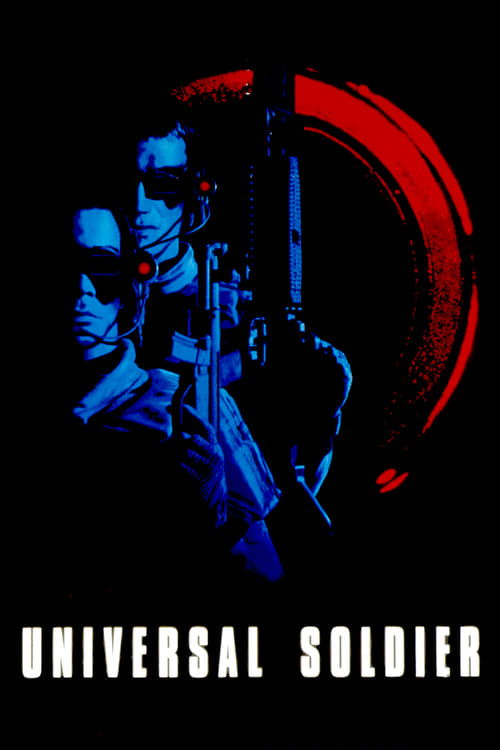
Universal Soldier
An American soldier who had been killed during the Vietnam War is revived 25 years later by the military as a semi-android, UniSols, a high-tech soldier of the future. After the failure of the initiative to erase all the soldier's memories, he begins to experience flashbacks that are forcing him to recall his past.
Despite a moderate budget of $23.0M, Universal Soldier became a box office success, earning $95.0M worldwide—a 313% return.


Plot Structure
Story beats plotted across runtime


Narrative Arc
Emotional journey through the story's key moments
Story Circle
Blueprint 15-beat structure
Arcplot Score Breakdown
Weighted: Precision (70%) + Arc (15%) + Theme (15%)
Universal Soldier (1992) demonstrates carefully calibrated story structure, characteristic of Roland Emmerich's storytelling approach. This structural analysis examines how the film's 15-point plot structure maps to proven narrative frameworks across 1 hour and 43 minutes. With an Arcplot score of 7.0, the film balances conventional beats with creative variation.
Characters
Cast & narrative archetypes

Luc Deveraux
Andrew Scott
Veronica Roberts
Colonel Perry
Dr. Christopher Gregor
Main Cast & Characters
Luc Deveraux
Played by Jean-Claude Van Damme
A reanimated Vietnam soldier struggling to reclaim his humanity and memories while escaping the UniSol program.
Andrew Scott
Played by Dolph Lundgren
A psychotic UniSol sergeant driven by Vietnam-era madness and obsessed with completing his mission.
Veronica Roberts
Played by Ally Walker
A resourceful journalist who helps Luc escape and aids his quest to recover his past.
Colonel Perry
Played by Ed O'Ross
The military officer overseeing the UniSol program who prioritizes the mission over ethics.
Dr. Christopher Gregor
Played by Jerry Orbach
The scientist responsible for creating and maintaining the Universal Soldiers.
Structural Analysis
The Status Quo at 1 minutes (1% through the runtime) establishes Vietnam 1969: Private Luc Deveraux discovers Sergeant Andrew Scott has massacred Vietnamese villagers and taken their ears as trophies. The horror of war and Scott's psychotic break establishes the original trauma that will haunt both men.. The analysis reveals that this early placement immediately immerses viewers in the story world.
The inciting incident occurs at 12 minutes when During the hostage rescue, Luc experiences a memory flash when he sees a hostage and hesitates, breaking protocol. Veronica captures footage of the UniSols. The military covers up the incident, but Luc's suppressed memories have begun to resurface - he's no longer a perfect machine.. At 12% through the film, this Disruption aligns precisely with traditional story structure. This beat shifts the emotional landscape, launching the protagonist into the central conflict.
The First Threshold at 26 minutes marks the transition into Act II, occurring at 25% of the runtime. This illustrates the protagonist's commitment to When ordered to kill Veronica, Luc defies his programming and saves her instead. He goes AWOL, actively choosing to protect a civilian over following military commands. This irreversible decision makes him a fugitive and marks his first step toward reclaiming his humanity., moving from reaction to action.
At 52 minutes, the Midpoint arrives at 50% of the runtime—precisely centered, creating perfect narrative symmetry. The analysis reveals that this crucial beat Luc arrives at his family farm and reunites with his parents, who believed him dead for over twenty years. The emotional reunion represents a false victory - Luc has found his past and his humanity seems restored. But Scott and the military are closing in, and this moment of peace cannot last., fundamentally raising what's at risk. The emotional intensity shifts, dividing the narrative into clear before-and-after phases.
The Collapse moment at 77 minutes (75% through) represents the emotional nadir. Here, Scott captures Veronica and threatens to kill her. Luc is deteriorating without his muscle enhancers, weakened and seemingly unable to fight. The military has them cornered. Everything Luc fought to reclaim - his humanity, his connection to Veronica, his freedom - appears lost. Scott declares he'll finish what he started in Vietnam., illustrates the protagonist at their lowest point. This beat's placement in the final quarter sets up the climactic reversal.
The Second Threshold at 82 minutes initiates the final act resolution at 80% of the runtime. Luc injects himself with concentrated muscle enhancement serum, accepting he must use the program's tools one final time - but on his own terms. He chooses to fight as himself, not as GR44, combining his restored humanity with his soldier capabilities. He's no longer running; he's taking the fight to Scott., demonstrating the transformation achieved throughout the journey.
Emotional Journey
Universal Soldier's emotional architecture traces a deliberate progression across 15 carefully calibrated beats.
Narrative Framework
This structural analysis employs a 15-point narrative structure framework that maps key story moments. By mapping Universal Soldier against these established plot points, we can identify how Roland Emmerich utilizes or subverts traditional narrative conventions. The plot point approach reveals not only adherence to structural principles but also creative choices that distinguish Universal Soldier within the thriller genre.
Roland Emmerich's Structural Approach
Among the 12 Roland Emmerich films analyzed on Arcplot, the average structural score is 7.0, demonstrating varied approaches to story architecture. Universal Soldier represents one of the director's most structurally precise works. For comparative analysis, explore the complete Roland Emmerich filmography.
Comparative Analysis
Additional thriller films include The Warriors, Thunderball and Rustom. For more Roland Emmerich analyses, see The Day After Tomorrow, White House Down and 10,000 BC.
Plot Points by Act
Act I
SetupStatus Quo
Vietnam 1969: Private Luc Deveraux discovers Sergeant Andrew Scott has massacred Vietnamese villagers and taken their ears as trophies. The horror of war and Scott's psychotic break establishes the original trauma that will haunt both men.
Theme
Scott tells Luc "You're either with us or against us" as he forces him to choose between loyalty and humanity. This establishes the core theme: can a soldier retain his humanity when turned into a weapon, or does following orders erase who you are?
Worldbuilding
The prologue in Vietnam establishes Luc and Scott's fatal confrontation where they kill each other. Flash forward to present day: both have been resurrected as UniSols - memory-wiped super soldiers in a classified military program. Reporter Veronica Roberts investigates the secretive unit during a dam hostage situation.
Disruption
During the hostage rescue, Luc experiences a memory flash when he sees a hostage and hesitates, breaking protocol. Veronica captures footage of the UniSols. The military covers up the incident, but Luc's suppressed memories have begun to resurface - he's no longer a perfect machine.
Resistance
Veronica's footage is confiscated and she's targeted for elimination. Luc's memory flashes intensify, showing glimpses of his past life. Scott also begins remembering but descends into his Vietnam-era psychosis. The UniSol program's handlers struggle to maintain control as both soldiers malfunction. Veronica discovers the program's dark secret.
Act II
ConfrontationFirst Threshold
When ordered to kill Veronica, Luc defies his programming and saves her instead. He goes AWOL, actively choosing to protect a civilian over following military commands. This irreversible decision makes him a fugitive and marks his first step toward reclaiming his humanity.
Mirror World
Veronica becomes Luc's guide to the human world he no longer remembers. She teaches him basic human functions - eating food at a diner, understanding money, social interaction. Their growing connection represents everything the UniSol program tried to erase: human emotion, compassion, and identity.
Premise
Luc and Veronica go on the run while the military and Scott pursue them. Luc rediscovers human experiences: eating, feeling temperature, experiencing confusion. Action sequences showcase his superhuman abilities while quieter moments reveal his childlike relearning of humanity. Veronica helps him piece together his identity as they head toward his family farm.
Midpoint
Luc arrives at his family farm and reunites with his parents, who believed him dead for over twenty years. The emotional reunion represents a false victory - Luc has found his past and his humanity seems restored. But Scott and the military are closing in, and this moment of peace cannot last.
Opposition
Scott fully embraces his psychotic Vietnam persona, collecting ears and viewing everyone as the enemy. The UniSol team raids the farm, forcing Luc and Veronica to flee again. Scott becomes increasingly uncontrollable, killing his own handlers. The military deploys all resources to eliminate both rogue soldiers. Luc struggles as his body begins failing without the program's chemical treatments.
Collapse
Scott captures Veronica and threatens to kill her. Luc is deteriorating without his muscle enhancers, weakened and seemingly unable to fight. The military has them cornered. Everything Luc fought to reclaim - his humanity, his connection to Veronica, his freedom - appears lost. Scott declares he'll finish what he started in Vietnam.
Crisis
Luc faces the reality that he may not survive this confrontation. Veronica is held hostage by Scott, who has fully become the monster from Vietnam. Luc must find the strength to fight not as a programmed UniSol, but as a man fighting for what he loves.
Act III
ResolutionSecond Threshold
Luc injects himself with concentrated muscle enhancement serum, accepting he must use the program's tools one final time - but on his own terms. He chooses to fight as himself, not as GR44, combining his restored humanity with his soldier capabilities. He's no longer running; he's taking the fight to Scott.
Synthesis
The final battle unfolds at the farm. Luc confronts Scott in brutal combat, matching his enemy's superhuman strength. The fight destroys the farmhouse and moves through the property. Luc defeats Scott by impaling him on a hay harvester, ending the nightmare that began in Vietnam. The military threat is neutralized, and Luc stands victorious with Veronica.
Transformation
Luc stands with Veronica at dawn, finally free. Unlike the opening where he was a soldier caught in someone else's war, he's now a man who chose his own path. He's reclaimed his identity, his humanity, and found connection. The weapon has become human again.