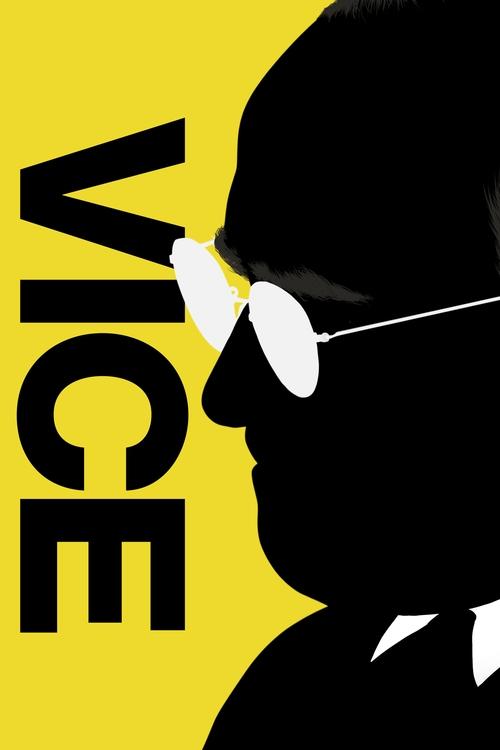
Vice
George W. Bush picks Dick Cheney, the CEO of Halliburton Co., to be his Republican running mate in the 2000 presidential election. No stranger to politics, Cheney's impressive résumé includes stints as White House chief of staff, House Minority Whip and Defense Secretary. When Bush wins by a narrow margin, Cheney begins to use his newfound power to help reshape the country and the world.
Working with a respectable budget of $60.0M, the film achieved a steady performer with $76.1M in global revenue (+27% profit margin).
1 Oscar. 35 wins & 139 nominations


Plot Structure
Story beats plotted across runtime


Narrative Arc
Emotional journey through the story's key moments
Story Circle
Blueprint 15-beat structure
Arcplot Score Breakdown
Weighted: Precision (70%) + Arc (15%) + Theme (15%)
Vice (2018) exhibits deliberately positioned plot construction, characteristic of Adam McKay's storytelling approach. This structural analysis examines how the film's 15-point plot structure maps to proven narrative frameworks across 2 hours and 12 minutes. With an Arcplot score of 6.5, the film balances conventional beats with creative variation.
Structural Analysis
The Status Quo at 1 minutes (1% through the runtime) establishes Young Dick Cheney is pulled over by police while drunk driving in Wyoming, 1963. He's a directionless alcoholic working as a lineman, representing his lowest point before transformation.. Significantly, this early placement immediately immerses viewers in the story world.
The inciting incident occurs at 16 minutes when Cheney arrives in Washington D.C. As a congressional intern and meets Donald Rumsfeld, who becomes his mentor. This encounter disrupts his ordinary life and sets him on the path to power.. At 12% through the film, this Disruption aligns precisely with traditional story structure. This beat shifts the emotional landscape, launching the protagonist into the central conflict.
The First Threshold at 33 minutes marks the transition into Act II, occurring at 25% of the runtime. This shows the protagonist's commitment to Cheney becomes White House Chief of Staff under Gerald Ford at age 34 - the youngest in history. He fully commits to the pursuit of executive power, crossing into a new world of influence., moving from reaction to action.
At 66 minutes, the Midpoint arrives at 50% of the runtime—precisely centered, creating perfect narrative symmetry. Notably, this crucial beat George W. Bush asks Cheney to be his running mate. False victory: Cheney negotiates unprecedented power for the VP role, controlling "the mundane" - military, energy, foreign policy. The credits roll prematurely as a joke., fundamentally raising what's at risk. The emotional intensity shifts, dividing the narrative into clear before-and-after phases.
The Collapse moment at 99 minutes (75% through) represents the emotional nadir. Here, The narrator is revealed to be Kurt, a soldier whose heart Cheney will receive. Mary comes out as gay, creating family tension. Cheney's legacy of war, torture, and deception catches up as public opinion turns against him., indicates the protagonist at their lowest point. This beat's placement in the final quarter sets up the climactic reversal.
The Second Threshold at 106 minutes initiates the final act resolution at 80% of the runtime. Cheney receives Kurt's heart after his death in a car accident. This synthesis of taking life from others to sustain himself becomes the ultimate metaphor. He chooses to continue defending his legacy rather than repent., demonstrating the transformation achieved throughout the journey.
Emotional Journey
Vice's emotional architecture traces a deliberate progression across 15 carefully calibrated beats.
Narrative Framework
This structural analysis employs systematic plot point analysis that identifies crucial turning points. By mapping Vice against these established plot points, we can identify how Adam McKay utilizes or subverts traditional narrative conventions. The plot point approach reveals not only adherence to structural principles but also creative choices that distinguish Vice within the drama genre.
Adam McKay's Structural Approach
Among the 7 Adam McKay films analyzed on Arcplot, the average structural score is 7.2, reflecting strong command of classical structure. Vice takes a more unconventional approach compared to the director's typical style. For comparative analysis, explore the complete Adam McKay filmography.
Comparative Analysis
Additional drama films include After Thomas, South Pacific and Dirty Dancing: Havana Nights. For more Adam McKay analyses, see The Big Short, Talladega Nights: The Ballad of Ricky Bobby and Anchorman: The Legend of Ron Burgundy.
Plot Points by Act
Act I
SetupStatus Quo
Young Dick Cheney is pulled over by police while drunk driving in Wyoming, 1963. He's a directionless alcoholic working as a lineman, representing his lowest point before transformation.
Theme
Lynne delivers her ultimatum to Dick: "I can't go to my grave as Lynne Vincent, wife of Dick Cheney, drunken lineman." She states the film's theme about the pursuit of power and becoming someone significant.
Worldbuilding
Establishes Cheney's transformation from drunk to Yale student to congressional intern. Introduces the political landscape of the 1960s, his relationship with Lynne, and his entry into Donald Rumsfeld's orbit.
Disruption
Cheney arrives in Washington D.C. as a congressional intern and meets Donald Rumsfeld, who becomes his mentor. This encounter disrupts his ordinary life and sets him on the path to power.
Resistance
Rumsfeld mentors Cheney through the Nixon administration. Dick learns the rules of Washington power, asking "What do we believe?" Rumsfeld laughs - they believe in winning. Dick debates whether to fully commit to this amoral path.
Act II
ConfrontationFirst Threshold
Cheney becomes White House Chief of Staff under Gerald Ford at age 34 - the youngest in history. He fully commits to the pursuit of executive power, crossing into a new world of influence.
Mirror World
The Cheney family dynamic is explored - Lynne's ambition driving Dick, their daughters Mary and Liz representing his human side. Lynne serves as the thematic mirror, showing how their partnership enables his rise.
Premise
Cheney's political career unfolds: congressman from Wyoming, Secretary of Defense under Bush Sr., CEO of Halliburton. The narrator explores the Unitary Executive Theory. A fake-out ending suggests the Cheneys retire happily to private life.
Midpoint
George W. Bush asks Cheney to be his running mate. False victory: Cheney negotiates unprecedented power for the VP role, controlling "the mundane" - military, energy, foreign policy. The credits roll prematurely as a joke.
Opposition
Post-9/11, Cheney consolidates power. He pushes for Iraq invasion, authorizes torture, manipulates intelligence. The focus group reveals public manipulation. His heart attacks continue. The consequences of his policies mount.
Collapse
The narrator is revealed to be Kurt, a soldier whose heart Cheney will receive. Mary comes out as gay, creating family tension. Cheney's legacy of war, torture, and deception catches up as public opinion turns against him.
Crisis
The costs become clear: hundreds of thousands dead in Iraq, torture programs exposed, Cheney's approval ratings at historic lows. He processes what he's done while maintaining his certainty. Mary's sexuality threatens family unity.
Act III
ResolutionSecond Threshold
Cheney receives Kurt's heart after his death in a car accident. This synthesis of taking life from others to sustain himself becomes the ultimate metaphor. He chooses to continue defending his legacy rather than repent.
Synthesis
Liz runs for office, denouncing gay marriage and abandoning Mary. Cheney defends his legacy in interviews. The film intercuts his defense with imagery of ISIS, torture, and war. A focus group argues about the film itself.
Transformation
Cheney breaks the fourth wall, directly addressing the audience: "I can feel your incriminations... I will not apologize." He remains utterly unchanged - a negative transformation arc where power corrupted absolutely and no lesson was learned.