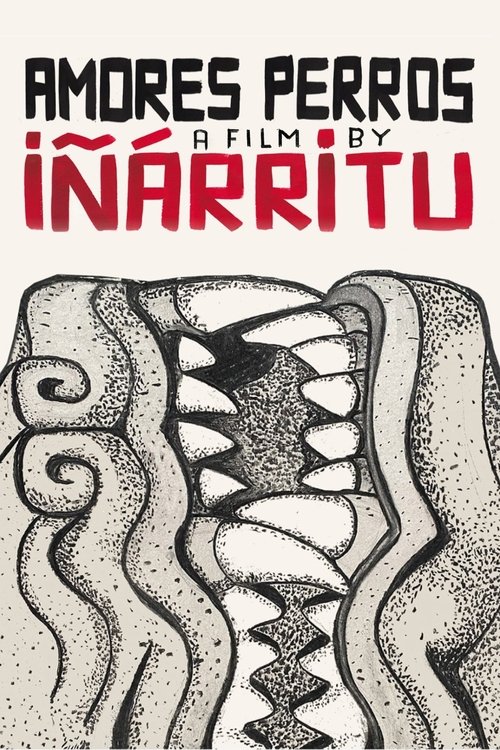
Amores Perros
A fatalistic car crash in Mexico city sets off a chain of events in the lives of three people: a supermodel, a young man wanting to run off with his sister-in-law, and a homeless man. Their lives are catapulted into unforeseen situations instigated by the seemingly inconsequential destiny of a dog.
Despite its modest budget of $2.0M, Amores Perros became a massive hit, earning $20.9M worldwide—a remarkable 945% return. The film's distinctive approach resonated with audiences, illustrating how strong storytelling can transcend budget limitations.
Nominated for 1 Oscar. 55 wins & 24 nominations


Plot Structure
Story beats plotted across runtime


Narrative Arc
Emotional journey through the story's key moments
Story Circle
Blueprint 15-beat structure
Arcplot Score Breakdown
Weighted: Precision (70%) + Arc (15%) + Theme (15%)
Amores Perros (2000) exemplifies precise story structure, characteristic of Alejandro González Iñárritu's storytelling approach. This structural analysis examines how the film's 15-point plot structure maps to proven narrative frameworks across 2 hours and 34 minutes. With an Arcplot score of 6.7, the film balances conventional beats with creative variation.
Characters
Cast & narrative archetypes

Octavio
Susana
Ramiro
Daniel
Valeria
El Chivo
Main Cast & Characters
Octavio
Played by Gael García Bernal
A young man who enters his dog into illegal dogfights to earn money and run away with his brother's wife.
Susana
Played by Vanessa Bauche
Octavio's sister-in-law who he is in love with, trapped in an abusive marriage.
Ramiro
Played by Marco Pérez
Octavio's violent older brother who abuses Susana and robs stores.
Daniel
Played by Álvaro Guerrero
A wealthy magazine editor who leaves his wife and family for his young mistress Valeria.
Valeria
Played by Goya Toledo
A beautiful model whose life is shattered when a car accident severely injures her leg.
El Chivo
Played by Emilio Echevarría
A former revolutionary turned homeless hitman who reconnects with his estranged daughter.
Structural Analysis
The Status Quo at 1 minutes (1% through the runtime) establishes Octavio and his wounded dog Cofi speed through Mexico City streets in a desperate flight, blood-soaked and panicked, establishing the violent world of urban desperation and the intertwining of human and animal suffering.. Notably, this early placement immediately immerses viewers in the story world.
The inciting incident occurs at 18 minutes when Octavio witnesses Ramiro beating a pregnant Susana and decides he must rescue her from this violence. This catalyzes his plan to win enough money through dogfighting to run away with her, escalating his dangerous involvement.. At 12% through the film, this Disruption aligns precisely with traditional story structure. This beat shifts the emotional landscape, launching the protagonist into the central conflict.
The First Threshold at 37 minutes marks the transition into Act II, occurring at 24% of the runtime. This reveals the protagonist's commitment to Octavio convinces Susana to run away with him, and she agrees to leave Ramiro. He commits to one final, high-stakes dogfight to get the money they need, crossing into a world of no return., moving from reaction to action.
At 75 minutes, the Midpoint arrives at 49% of the runtime—precisely centered, creating perfect narrative symmetry. Significantly, this crucial beat In Valeria's segment, her dog Richi disappears beneath the floorboards of their new apartment, paralleling her own entrapment. What seemed like a new life with Daniel becomes a claustrophobic nightmare, raising the stakes of her physical and emotional deterioration., fundamentally raising what's at risk. The emotional intensity shifts, dividing the narrative into clear before-and-after phases.
The Collapse moment at 115 minutes (74% through) represents the emotional nadir. Here, Multiple deaths converge: Cofi is killed defending Octavio; Valeria's leg must be amputated; El Chivo discovers his daughter wants nothing to do with him and learns his past cannot be redeemed. The "whiff of death" is literal and metaphorical across all three stories., indicates the protagonist at their lowest point. This beat's placement in the final quarter sets up the climactic reversal.
The Second Threshold at 122 minutes initiates the final act resolution at 79% of the runtime. El Chivo makes the critical choice to spare his target's life, rejecting the cycle of violence and paid killing. This moral awakening synthesizes his past revolutionary ideals with a new understanding: he cannot undo the past but can stop perpetuating its violence., demonstrating the transformation achieved throughout the journey.
Emotional Journey
Amores Perros's emotional architecture traces a deliberate progression across 15 carefully calibrated beats.
Narrative Framework
This structural analysis employs proven narrative structure principles that track dramatic progression. By mapping Amores Perros against these established plot points, we can identify how Alejandro González Iñárritu utilizes or subverts traditional narrative conventions. The plot point approach reveals not only adherence to structural principles but also creative choices that distinguish Amores Perros within the drama genre.
Alejandro González Iñárritu's Structural Approach
Among the 5 Alejandro González Iñárritu films analyzed on Arcplot, the average structural score is 6.8, demonstrating varied approaches to story architecture. Amores Perros takes a more unconventional approach compared to the director's typical style. For comparative analysis, explore the complete Alejandro González Iñárritu filmography.
Comparative Analysis
Additional drama films include After Thomas, South Pacific and Dirty Dancing: Havana Nights. For more Alejandro González Iñárritu analyses, see Birdman or (The Unexpected Virtue of Ignorance), 21 Grams and The Revenant.
Plot Points by Act
Act I
SetupStatus Quo
Octavio and his wounded dog Cofi speed through Mexico City streets in a desperate flight, blood-soaked and panicked, establishing the violent world of urban desperation and the intertwining of human and animal suffering.
Theme
A character states that "love is a bitch" in dialogue about relationships and loyalty, establishing the film's central theme about how love—whether romantic, familial, or for animals—causes pain and drives destructive choices.
Worldbuilding
Flashback establishes Octavio's ordinary world: living with his violent brother Ramiro, lusting after sister-in-law Susana, and entering Cofi into dogfights to make money. The poverty, domestic abuse, and illegal dog-fighting underworld of Mexico City are revealed.
Disruption
Octavio witnesses Ramiro beating a pregnant Susana and decides he must rescue her from this violence. This catalyzes his plan to win enough money through dogfighting to run away with her, escalating his dangerous involvement.
Resistance
Octavio debates his plan, confides in Susana about his feelings, and escalates Cofi's fighting career despite warnings from his friend Jorge. Susana resists initially but is tempted by the promise of escape from Ramiro's abuse.
Act II
ConfrontationFirst Threshold
Octavio convinces Susana to run away with him, and she agrees to leave Ramiro. He commits to one final, high-stakes dogfight to get the money they need, crossing into a world of no return.
Mirror World
The car crash occurs at an intersection, violently connecting Octavio's story with Valeria (the model) and Daniel's story, and El Chivo (the homeless hitman). This collision creates the film's central metaphor: lives intersecting through violence and chance.
Premise
The triptych structure delivers its promise: exploring how love destroys across three social strata. Octavio's story concludes with the aftermath of betrayal; Valeria's story shows her perfect life collapsing after losing her leg; El Chivo's story reveals his exile and alienation from his daughter.
Midpoint
In Valeria's segment, her dog Richi disappears beneath the floorboards of their new apartment, paralleling her own entrapment. What seemed like a new life with Daniel becomes a claustrophobic nightmare, raising the stakes of her physical and emotional deterioration.
Opposition
Pressure intensifies across all storylines: Ramiro hunts Octavio for revenge; Valeria's relationship with Daniel crumbles as her injury worsens; El Chivo is ordered to kill his former partner while grappling with his conscience and attempting to reconnect with his estranged daughter.
Collapse
Multiple deaths converge: Cofi is killed defending Octavio; Valeria's leg must be amputated; El Chivo discovers his daughter wants nothing to do with him and learns his past cannot be redeemed. The "whiff of death" is literal and metaphorical across all three stories.
Crisis
Characters process their losses in darkness: Octavio mourns alone in a hospital; Valeria stares at her destroyed modeling career and body; El Chivo confronts the emptiness of his revolutionary ideals and realizes he's lost everything that mattered.
Act III
ResolutionSecond Threshold
El Chivo makes the critical choice to spare his target's life, rejecting the cycle of violence and paid killing. This moral awakening synthesizes his past revolutionary ideals with a new understanding: he cannot undo the past but can stop perpetuating its violence.
Synthesis
El Chivo executes his final plan: forcing the two brothers he was hired to orchestrate to confront each other, shaves his beard, calls his daughter one last time, and leaves his old life behind. The finale resolves the film's moral reckoning with violence and love.
Transformation
El Chivo walks away into the city with his pack of dogs, transformed from hitman to wanderer but still alone and exiled. The closing images of wounded dogs and broken people mirror the opening, but now with hard-won awareness: love's cost has been paid.