
Blade Runner
In the early twenty-first century, the Tyrell Corporation, during what was called the Nexus phase, developed robots, called "replicants", that were supposed to aid society, the replicants which looked and acted like humans. When the superhuman generation Nexus 6 replicants, used for dangerous off-Earth endeavors, began a mutiny on an off-Earth colony, replicants became illegal on Earth. Police units, called "blade runners", have the job of destroying - or in their parlance "retiring" - any replicant that makes its way back to or created on Earth, with anyone convicted of aiding or assisting a replicant being sentenced to death. It's now November, 2019 in Los Angeles, California. Rick Deckard, a former blade runner, is called out of retirement when four known replicants, most combat models, have made their way back to Earth, with their leader being Roy Batty. One, Leon Kowalski, tried to infiltrate his way into the Tyrell Corporation as an employee, but has since been able to escape. Beyond following Leon's trail in hopes of finding and retiring them all, Deckard believes part of what will help him is figuring out what the replicants wanted with the Tyrell Corporation in trying to infiltrate it. The answer may lie with Tyrell's fail-safe backup mechanism. Beyond tracking the four, Deckard faces a possible dilemma in encountering a fifth replicant: Rachael, who works as Tyrell's assistant. The issue is that Dr. Elden Tyrell is experimenting with her, to provide her with fake memories so as to be able to better control her. With those memories, Rachael has no idea that she is not human. The problem is not only Rachael's assistance to Deckard, but that he is beginning to develop feelings for her.
Working with a moderate budget of $28.0M, the film achieved a respectable showing with $41.7M in global revenue (+49% profit margin).
Nominated for 2 Oscars. 13 wins & 22 nominations


Plot Structure
Story beats plotted across runtime


Narrative Arc
Emotional journey through the story's key moments
Story Circle
Blueprint 15-beat structure
Arcplot Score Breakdown
Weighted: Precision (70%) + Arc (15%) + Theme (15%)
Blade Runner (1982) reveals meticulously timed narrative design, characteristic of Ridley Scott's storytelling approach. This structural analysis examines how the film's 15-point plot structure maps to proven narrative frameworks across 1 hour and 57 minutes. With an Arcplot score of 3.0, the film takes an unconventional approach to traditional narrative frameworks.
Characters
Cast & narrative archetypes

Rick Deckard

Roy Batty

Rachael

Gaff

Eldon Tyrell

Pris
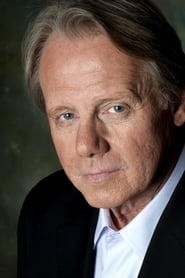
J.F. Sebastian
Main Cast & Characters
Rick Deckard
Played by Harrison Ford
A retired blade runner reluctantly brought back to hunt down rogue replicants, struggling with the moral weight of his job.
Roy Batty
Played by Rutger Hauer
The leader of the rogue replicants seeking more life from his creator, philosophical and deadly.
Rachael
Played by Sean Young
A replicant who believes she is human, possessing implanted memories that blur her sense of identity.
Gaff
Played by Edward James Olmos
A mysterious fellow blade runner who shadows Deckard throughout the investigation.
Eldon Tyrell
Played by Joe Turkel
The brilliant but cold creator of the replicants, head of the Tyrell Corporation.
Pris
Played by Daryl Hannah
A 'basic pleasure model' replicant, childlike yet dangerous, allied with Roy Batty.
J.F. Sebastian
Played by William Sanderson
A lonely genetic designer suffering from rapid aging who befriends the replicants.
Structural Analysis
The Status Quo at 1 minutes (1% through the runtime) establishes Opening text crawl establishes dystopian 2019 Los Angeles where bioengineered replicants are used for slave labor off-world. The Tyrell Corporation's latest Nexus-6 models are virtually indistinguishable from humans but banned on Earth.. Significantly, this early placement immediately immerses viewers in the story world.
The inciting incident occurs at 12 minutes when Gaff picks up Deckard and forcibly brings him to Bryant. Bryant informs Deckard that four Nexus-6 replicants have escaped and killed 23 people. Holden is badly injured. The old life is over—Deckard is told: "You're not cop, you're little people... If you're not cop, you're little people." He has no choice.. At 10% through the film, this Disruption aligns precisely with traditional story structure. This beat shifts the emotional landscape, launching the protagonist into the central conflict.
The First Threshold at 26 minutes marks the transition into Act II, occurring at 22% of the runtime. This indicates the protagonist's commitment to Deckard administers over 100 questions to Rachael before determining she's a replicant—she doesn't know. Tyrell reveals Rachael has implanted memories and believes she's human. Deckard actively commits to the hunt, fully entering the morally complex world of retiring beings who feel, remember, and believe they're alive., moving from reaction to action.
At 53 minutes, the Midpoint arrives at 46% of the runtime—arriving early, accelerating into Act IIb complications. Of particular interest, this crucial beat After retiring Zhora, Deckard is attacked by Leon in the street. Leon brutally beats him and is about to kill him when Rachael appears and shoots Leon dead, saving Deckard. False defeat: Deckard nearly dies but is saved. The stakes raise—Rachael has killed and can't go back. She's now a fugitive like the replicants Deckard hunts., fundamentally raising what's at risk. The emotional intensity shifts, dividing the narrative into clear before-and-after phases.
The Collapse moment at 78 minutes (67% through) represents the emotional nadir. Here, Roy meets his creator Tyrell and begs for more life: "I want more life, father." Tyrell explains it's impossible—the death sentence is built in. In rage and despair, Roy kills Tyrell, his father/god, crushing his skull. Then kills Sebastian. The whiff of death is literal: the creator dies, hope dies, and Roy's mortality becomes absolute., reveals the protagonist at their lowest point. This beat's placement in the final quarter sets up the climactic reversal.
The Second Threshold at 85 minutes initiates the final act resolution at 72% of the runtime. Roy discovers Pris dead and howls in anguish. He calmly pushes a nail through his own hand to stay alive longer as his body fails. Deckard realizes he's facing not a machine but a being experiencing love, grief, and desperation. The synthesis: Roy is more human than the humans who made him. Deckard sees clearly now., demonstrating the transformation achieved throughout the journey.
Emotional Journey
Blade Runner's emotional architecture traces a deliberate progression across 15 carefully calibrated beats.
Narrative Framework
This structural analysis employs proven narrative structure principles that track dramatic progression. By mapping Blade Runner against these established plot points, we can identify how Ridley Scott utilizes or subverts traditional narrative conventions. The plot point approach reveals not only adherence to structural principles but also creative choices that distinguish Blade Runner within the action genre.
Ridley Scott's Structural Approach
Among the 24 Ridley Scott films analyzed on Arcplot, the average structural score is 6.5, demonstrating varied approaches to story architecture. Blade Runner takes a more unconventional approach compared to the director's typical style. For comparative analysis, explore the complete Ridley Scott filmography.
Comparative Analysis
Additional action films include The Bad Guys, Puss in Boots and Venom: The Last Dance. For more Ridley Scott analyses, see Alien, White Squall and American Gangster.
Plot Points by Act
Act I
SetupStatus Quo
Opening text crawl establishes dystopian 2019 Los Angeles where bioengineered replicants are used for slave labor off-world. The Tyrell Corporation's latest Nexus-6 models are virtually indistinguishable from humans but banned on Earth.
Theme
During Leon's Voight-Kampff test, Holden asks questions about empathy and emotional response: "Describe in single words only the good things that come to mind about your mother." The test itself poses the central thematic question: What makes us human?
Worldbuilding
Introduction to neo-noir Los Angeles, 2019: perpetual rain, neon advertising, flying cars, and crushing urban decay. Leon shoots Holden during the Voight-Kampff test. We meet retired blade runner Deckard in the crowded streets, eating noodles, establishing his ordinary world as a civilian.
Disruption
Gaff picks up Deckard and forcibly brings him to Bryant. Bryant informs Deckard that four Nexus-6 replicants have escaped and killed 23 people. Holden is badly injured. The old life is over—Deckard is told: "You're not cop, you're little people... If you're not cop, you're little people." He has no choice.
Resistance
Deckard resists returning to blade runner work but Bryant pressures him: "If you're not cop, you're little people." He visits Tyrell Corporation to test the Voight-Kampff on Rachael, learning about experimental replicants with implanted memories. He debates his role and what it means to retire replicants who seem human.
Act II
ConfrontationFirst Threshold
Deckard administers over 100 questions to Rachael before determining she's a replicant—she doesn't know. Tyrell reveals Rachael has implanted memories and believes she's human. Deckard actively commits to the hunt, fully entering the morally complex world of retiring beings who feel, remember, and believe they're alive.
Mirror World
Rachael visits Deckard's apartment to prove she's human by showing him a photograph of herself as a child with her mother. Deckard cruelly reveals the memories are implants from Tyrell's niece. Rachael—the mirror character who will teach Deckard empathy—is devastated. Their relationship subplot begins.
Premise
Deckard hunts replicants through the neon-soaked city: investigating Leon's hotel room, finding clues in photographs, visiting a snake maker and exotic dancer Zhora. The promise of noir detective work unfolds. Roy and Leon seek their maker for more life. The hunt escalates to action when Deckard retires Zhora in the streets.
Midpoint
After retiring Zhora, Deckard is attacked by Leon in the street. Leon brutally beats him and is about to kill him when Rachael appears and shoots Leon dead, saving Deckard. False defeat: Deckard nearly dies but is saved. The stakes raise—Rachael has killed and can't go back. She's now a fugitive like the replicants Deckard hunts.
Opposition
Deckard takes Rachael to his apartment; their relationship deepens despite the danger. Roy and Pris meet Sebastian and manipulate him to get to Tyrell. Pressure mounts: Bryant orders Deckard to retire Rachael too. Deckard's humanity awakens as he falls for Rachael while being forced to hunt her. Roy confronts his maker seeking extended life.
Collapse
Roy meets his creator Tyrell and begs for more life: "I want more life, father." Tyrell explains it's impossible—the death sentence is built in. In rage and despair, Roy kills Tyrell, his father/god, crushing his skull. Then kills Sebastian. The whiff of death is literal: the creator dies, hope dies, and Roy's mortality becomes absolute.
Crisis
Deckard is called to the Bradbury Building to retire the remaining replicants. He finds and retires Pris in a brutal fight. Now only Roy remains. Deckard must face the strongest replicant alone, knowing Roy has nothing left to lose. The dark night before the final confrontation—Deckard processes what he's become.
Act III
ResolutionSecond Threshold
Roy discovers Pris dead and howls in anguish. He calmly pushes a nail through his own hand to stay alive longer as his body fails. Deckard realizes he's facing not a machine but a being experiencing love, grief, and desperation. The synthesis: Roy is more human than the humans who made him. Deckard sees clearly now.
Synthesis
The final chase through Bradbury Building: Roy hunts Deckard like an animal, playing with him. Deckard tries to escape across rooftops but falls, hanging by his fingertips. Roy saves him at the moment of death, pulling him up. Roy delivers his "Tears in Rain" speech and dies. Gaff spares Rachael. Deckard and Rachael flee together.
Transformation
Deckard finds Rachael alive in his apartment. Gaff has been there but left her alive, leaving an origami unicorn—suggesting he knows Deckard's dreams, implying Deckard himself may be a replicant. Deckard chooses love over duty, fleeing with Rachael. He's transformed from emotionless killer to empathetic being who values replicant life.