
Blow Out
This stylish Brian De Palma thriller plays off the theme of the unsuspecting witness who discovers a crime and is thereby put in grave danger, but with a novel twist. Jack Terry is a master audio technician who makes his living by recording unique sounds for grade-B horror movies. Late one evening, he is recording sounds for use in his movies when he hears something unexpected through his sound equipment and records it. Curiosity gets the better of him when the media become involved, and he begins to unravel the pieces of a nefarious conspiracy. As he struggles to survive against his shadowy enemies and expose the truth, he does not know whom he can trust.
The film struggled financially against its mid-range budget of $18.0M, earning $12.0M globally (-33% loss). While initial box office returns were modest, the film has gained appreciation for its unique voice within the crime genre.


Plot Structure
Story beats plotted across runtime


Narrative Arc
Emotional journey through the story's key moments
Story Circle
Blueprint 15-beat structure
Arcplot Score Breakdown
Weighted: Precision (70%) + Arc (15%) + Theme (15%)
Blow Out (1981) reveals deliberately positioned plot construction, characteristic of Brian De Palma's storytelling approach. This structural analysis examines how the film's 15-point plot structure maps to proven narrative frameworks across 1 hour and 48 minutes. With an Arcplot score of 7.1, the film balances conventional beats with creative variation.
Characters
Cast & narrative archetypes
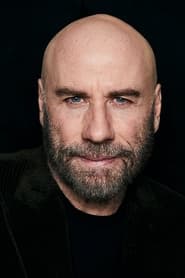
Jack Terry

Sally Bedina

Burke

Frank Donahue
Main Cast & Characters
Jack Terry
Played by John Travolta
A sound technician who accidentally records evidence of a political assassination and becomes obsessed with uncovering the truth.
Sally Bedina
Played by Nancy Allen
A young woman who survives a car accident that Jack witnesses, becoming entangled in a dangerous conspiracy.
Burke
Played by John Lithgow
A ruthless operative hired to cover up the assassination by eliminating witnesses and staging murders.
Frank Donahue
Played by Dennis Franz
A corrupt political fixer who orchestrates the cover-up of the governor's death.
Structural Analysis
The Status Quo at 1 minutes (1% through the runtime) establishes Jack Terry watches a cheesy slasher film in a screening room, critiquing the terrible scream sound effect. He's a skilled sound technician trapped working on low-budget horror films, suggesting unfulfilled potential.. The analysis reveals that this early placement immediately immerses viewers in the story world.
The inciting incident occurs at 13 minutes when While recording sounds by the creek, Jack witnesses a car blow a tire and crash off the bridge into the water. He dives in and rescues Sally, but the driver—Governor McRyan—is dead. Jack's recording captures a gunshot before the blowout.. At 12% through the film, this Disruption aligns precisely with traditional story structure. This beat shifts the emotional landscape, launching the protagonist into the central conflict.
The First Threshold at 26 minutes marks the transition into Act II, occurring at 24% of the runtime. This demonstrates the protagonist's commitment to Jack commits to investigating the assassination. He synchronizes his audio recording with Manny Karp's photographs to prove the gunshot preceded the blowout. He chooses to pursue the truth despite warnings, crossing into dangerous territory., moving from reaction to action.
At 53 minutes, the Midpoint arrives at 50% of the runtime—precisely centered, creating perfect narrative symmetry. Of particular interest, this crucial beat Jack completes his audio-visual proof of the assassination—a film that clearly shows the gunshot before the tire blowout. He believes he has the evidence to expose the conspiracy. False victory: he has the truth but doesn't yet understand the forces arrayed against him., fundamentally raising what's at risk. The emotional intensity shifts, dividing the narrative into clear before-and-after phases.
The Collapse moment at 81 minutes (75% through) represents the emotional nadir. Here, Jack discovers all his evidence has been destroyed—every tape erased, his proof eliminated. The conspiracy has systematically dismantled everything he built. He's back to having nothing, and Sally is now in grave danger from Burke., demonstrates the protagonist at their lowest point. This beat's placement in the final quarter sets up the climactic reversal.
The Second Threshold at 86 minutes initiates the final act resolution at 80% of the runtime. Jack puts a wire on Sally to record the meeting, determined to capture new evidence. He races through the Liberty Day parade to save her, finally prioritizing a person over proof—but his tools of surveillance are still his method., demonstrating the transformation achieved throughout the journey.
Emotional Journey
Blow Out's emotional architecture traces a deliberate progression across 15 carefully calibrated beats.
Narrative Framework
This structural analysis employs a 15-point narrative structure framework that maps key story moments. By mapping Blow Out against these established plot points, we can identify how Brian De Palma utilizes or subverts traditional narrative conventions. The plot point approach reveals not only adherence to structural principles but also creative choices that distinguish Blow Out within the crime genre.
Brian De Palma's Structural Approach
Among the 18 Brian De Palma films analyzed on Arcplot, the average structural score is 6.7, demonstrating varied approaches to story architecture. Blow Out represents one of the director's most structurally precise works. For comparative analysis, explore the complete Brian De Palma filmography.
Comparative Analysis
Additional crime films include The Bad Guys, Rustom and The Whole Ten Yards. For more Brian De Palma analyses, see Obsession, Carrie and The Black Dahlia.
Plot Points by Act
Act I
SetupStatus Quo
Jack Terry watches a cheesy slasher film in a screening room, critiquing the terrible scream sound effect. He's a skilled sound technician trapped working on low-budget horror films, suggesting unfulfilled potential.
Theme
Jack's producer tells him he needs "a good scream" for the film. This seemingly innocuous request foreshadows the film's dark conclusion where Jack will get his scream through Sally's death—the cost of pursuing the truth.
Worldbuilding
Jack's world as a sound recordist is established. He goes out at night to collect ambient sounds near a bridge, demonstrating his craft and isolation. We see his technical expertise and detachment from human connection.
Disruption
While recording sounds by the creek, Jack witnesses a car blow a tire and crash off the bridge into the water. He dives in and rescues Sally, but the driver—Governor McRyan—is dead. Jack's recording captures a gunshot before the blowout.
Resistance
Jack debates what to do with his knowledge. He's pressured by authorities to forget what he heard. Sally reveals she was part of a blackmail scheme with Manny Karp. Jack begins to suspect a conspiracy but hesitates to act, haunted by his past failure with the police wire.
Act II
ConfrontationFirst Threshold
Jack commits to investigating the assassination. He synchronizes his audio recording with Manny Karp's photographs to prove the gunshot preceded the blowout. He chooses to pursue the truth despite warnings, crossing into dangerous territory.
Mirror World
Jack and Sally develop a genuine connection as he protects her and she helps him understand the conspiracy. Sally represents the human stakes Jack has been missing—she's the emotional reality behind his technical obsession with the truth.
Premise
Jack plays detective, using his audio expertise to analyze the assassination. He creates a film by syncing sound and photos, uncovering the conspiracy. Meanwhile, Burke begins his murder spree disguised as the "Liberty Bell Strangler," and the relationship between Jack and Sally deepens.
Midpoint
Jack completes his audio-visual proof of the assassination—a film that clearly shows the gunshot before the tire blowout. He believes he has the evidence to expose the conspiracy. False victory: he has the truth but doesn't yet understand the forces arrayed against him.
Opposition
The conspiracy fights back. Jack's apartment is broken into and his tapes are erased by Burke. The media dismisses the assassination theory. Manny Karp is killed. Jack struggles to get anyone to believe him or publish his evidence. Burke closes in on Sally.
Collapse
Jack discovers all his evidence has been destroyed—every tape erased, his proof eliminated. The conspiracy has systematically dismantled everything he built. He's back to having nothing, and Sally is now in grave danger from Burke.
Crisis
Jack reels from the loss of his evidence. Sally agrees to meet with a journalist contact who is actually Burke in disguise. Jack realizes too late that Sally has been lured into a trap during the Liberty Day celebration.
Act III
ResolutionSecond Threshold
Jack puts a wire on Sally to record the meeting, determined to capture new evidence. He races through the Liberty Day parade to save her, finally prioritizing a person over proof—but his tools of surveillance are still his method.
Synthesis
Jack desperately pursues Burke through the Liberty Day celebration as fireworks explode overhead. He tracks Sally's wire through the crowd, listening helplessly as Burke attacks her. Jack kills Burke but arrives moments too late—Sally is dead.
Transformation
Jack uses Sally's dying scream as the sound effect for the horror film. Her real death becomes fake movie terror. He has his "good scream" but has lost everything meaningful. He sits in the screening room, headphones on, weeping—trapped in his craft, destroyed by his obsession.