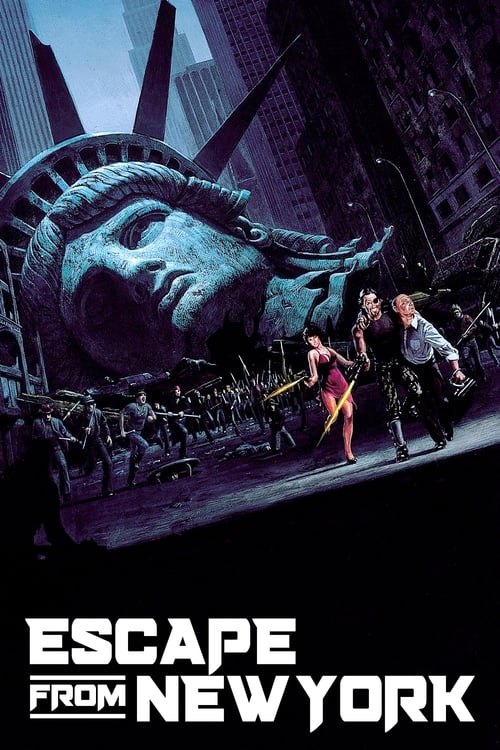
Escape from New York
In a world ravaged by crime, the entire island of Manhattan has been converted into a walled prison where brutal prisoners roam free. After the US president crash-lands inside, war hero Snake Plissken has 24 hours to bring him back.
Despite its modest budget of $6.0M, Escape from New York became a commercial juggernaut, earning $50.2M worldwide—a remarkable 737% return. The film's compelling narrative found its audience, illustrating how strong storytelling can transcend budget limitations.


Plot Structure
Story beats plotted across runtime


Narrative Arc
Emotional journey through the story's key moments
Story Circle
Blueprint 15-beat structure
Arcplot Score Breakdown
Weighted: Precision (70%) + Arc (15%) + Theme (15%)
Escape from New York (1981) reveals deliberately positioned narrative design, characteristic of John Carpenter's storytelling approach. This structural analysis examines how the film's 15-point plot structure maps to proven narrative frameworks across 1 hour and 39 minutes. With an Arcplot score of 7.0, the film balances conventional beats with creative variation.
Characters
Cast & narrative archetypes

Snake Plissken

Bob Hauk
The Duke of New York
President of the United States

Cabbie

Maggie

Brain
Main Cast & Characters
Snake Plissken
Played by Kurt Russell
A cynical former Special Forces operative turned criminal, coerced into rescuing the President from Manhattan Island prison. A hardened, laconic anti-hero who operates by his own moral code.
Bob Hauk
Played by Lee Van Cleef
The tough, pragmatic Police Commissioner of the United States who blackmails Snake into the rescue mission. Represents authority and the utilitarian calculus of the state.
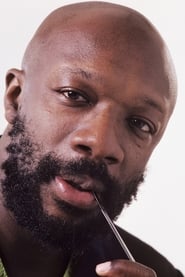
The Duke of New York
Played by Isaac Hayes
The charismatic and ruthless crime lord who rules Manhattan Island prison. Holds the President hostage to bargain for his freedom.
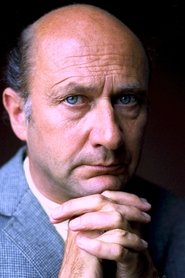
President of the United States
Played by Donald Pleasence
The captured head of state whose rescue is critical to preventing war. Initially appears helpless but reveals unexpected survival instincts.
Cabbie
Played by Ernest Borgnine
A cheerful, eccentric taxi driver who survives in Manhattan by knowing the territory and staying neutral. Becomes Snake's guide and ally.
Maggie
Played by Adrienne Barbeau
A pragmatic survivor and Brain's companion who helps Snake navigate the dangers of Manhattan. Tough and resourceful in the prison society.
Brain
Played by Harry Dean Stanton
A con artist and former associate of Snake who has survived by using his intelligence. Serves as both ally and opportunist.
Structural Analysis
The Status Quo at 1 minutes (1% through the runtime) establishes Opening text and aerial shots establish the dystopian 1997 America where Manhattan Island has been transformed into a maximum security prison, walled off from civilization.. Structural examination shows that this early placement immediately immerses viewers in the story world.
The inciting incident occurs at 13 minutes when Hauk offers Snake an impossible deal: rescue the President within 22 hours and receive a full pardon, or die from the micro-explosives injected into his carotid arteries.. At 13% through the film, this Disruption is delayed, allowing extended setup of the story world. This beat shifts the emotional landscape, launching the protagonist into the central conflict.
The First Threshold at 26 minutes marks the transition into Act II, occurring at 26% of the runtime. This reveals the protagonist's commitment to Snake pilots his glider over the wall and lands on the World Trade Center, actively choosing to enter the lawless prison island. There is no turning back., moving from reaction to action.
At 50 minutes, the Midpoint arrives at 51% of the runtime—precisely centered, creating perfect narrative symmetry. Structural examination shows that this crucial beat Snake locates the President but discovers he's a prisoner of the Duke, who plans to use him as a human shield to escape Manhattan. The rescue mission becomes infinitely more complicated., fundamentally raising what's at risk. The emotional intensity shifts, dividing the narrative into clear before-and-after phases.
The Collapse moment at 75 minutes (75% through) represents the emotional nadir. Here, Brain is killed on the mine-laden 69th Street Bridge. Maggie chooses to die fighting rather than surrender. Snake is captured by the Duke. The mission appears to have completely failed., shows the protagonist at their lowest point. This beat's placement in the final quarter sets up the climactic reversal.
The Second Threshold at 80 minutes initiates the final act resolution at 81% of the runtime. Snake breaks free during the gladiatorial combat and grabs the President. He commandeers a vehicle for one final desperate run across the bridge to freedom., demonstrating the transformation achieved throughout the journey.
Emotional Journey
Escape from New York's emotional architecture traces a deliberate progression across 15 carefully calibrated beats.
Narrative Framework
This structural analysis employs proven narrative structure principles that track dramatic progression. By mapping Escape from New York against these established plot points, we can identify how John Carpenter utilizes or subverts traditional narrative conventions. The plot point approach reveals not only adherence to structural principles but also creative choices that distinguish Escape from New York within the science fiction genre.
John Carpenter's Structural Approach
Among the 16 John Carpenter films analyzed on Arcplot, the average structural score is 6.9, demonstrating varied approaches to story architecture. Escape from New York represents one of the director's most structurally precise works. For comparative analysis, explore the complete John Carpenter filmography.
Comparative Analysis
Additional science fiction films include The Postman, Mad Max 2 and AVP: Alien vs. Predator. For more John Carpenter analyses, see Halloween, In the Mouth of Madness and Escape from L.A..
Plot Points by Act
Act I
SetupStatus Quo
Opening text and aerial shots establish the dystopian 1997 America where Manhattan Island has been transformed into a maximum security prison, walled off from civilization.
Theme
Hauk explains to Snake the brutal reality of the prison island: "You go in, you don't come out." This establishes the theme of freedom versus authoritarian control and the price of survival.
Worldbuilding
Air Force One is hijacked by terrorists and crashes into Manhattan. The President's escape pod lands in the prison. Snake Plissken, legendary war hero turned criminal, is brought in as a prisoner.
Disruption
Hauk offers Snake an impossible deal: rescue the President within 22 hours and receive a full pardon, or die from the micro-explosives injected into his carotid arteries.
Resistance
Snake receives mission briefing, weapons, and tracking equipment. He learns the President carries a tape crucial to preventing World War III. The countdown clock begins ticking.
Act II
ConfrontationFirst Threshold
Snake pilots his glider over the wall and lands on the World Trade Center, actively choosing to enter the lawless prison island. There is no turning back.
Mirror World
Snake encounters Cabbie, a cheerful survivor who has adapted to life in the prison by staying neutral. Cabbie represents an alternative path to Snake's lone wolf approach—community and compromise.
Premise
Snake navigates the dangerous underworld of Manhattan, encountering the Crazies in the sewers, tracking the President's signal, and discovering the brutal hierarchy ruled by the Duke of New York.
Midpoint
Snake locates the President but discovers he's a prisoner of the Duke, who plans to use him as a human shield to escape Manhattan. The rescue mission becomes infinitely more complicated.
Opposition
Snake allies with Brain and Maggie to plan the President's rescue. Multiple attempts fail. The Duke hunts them. Snake's clock keeps ticking down as complications mount.
Collapse
Brain is killed on the mine-laden 69th Street Bridge. Maggie chooses to die fighting rather than surrender. Snake is captured by the Duke. The mission appears to have completely failed.
Crisis
Snake faces execution in the Duke's arena. His time is almost up. The President watches helplessly. All hope seems lost as the explosives countdown nears zero.
Act III
ResolutionSecond Threshold
Snake breaks free during the gladiatorial combat and grabs the President. He commandeers a vehicle for one final desperate run across the bridge to freedom.
Synthesis
Intense car chase across the booby-trapped bridge. The Duke pursues relentlessly. The President unexpectedly kills the Duke himself. Snake delivers the President with seconds to spare on his countdown.
Transformation
Snake, pardoned but disgusted by the President's callous broadcast, reveals he switched the crucial tape. He walks away pulling the tape from the cassette—free, cynical, and unchanged by the system that tried to use him.