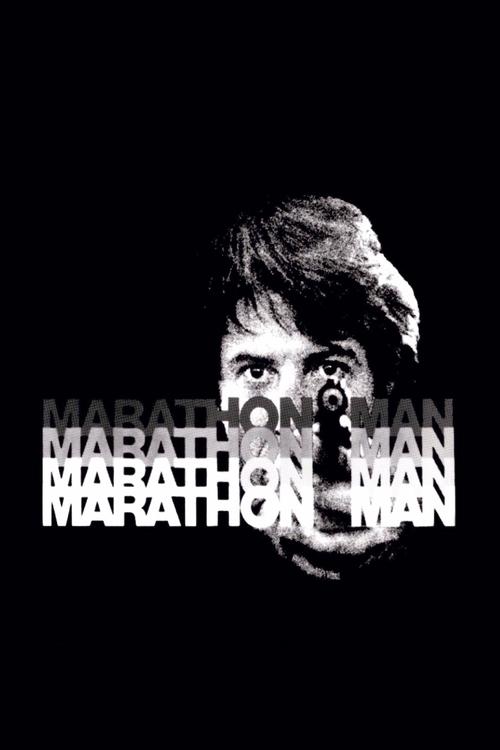
Marathon Man
A graduate student and obsessive runner in New York is drawn into a mysterious plot involving his brother, a member of the secretive Division.
Despite its modest budget of $6.5M, Marathon Man became a solid performer, earning $21.7M worldwide—a 234% return. The film's compelling narrative resonated with audiences, demonstrating that strong storytelling can transcend budget limitations.
Nominated for 1 Oscar. 4 wins & 11 nominations


Plot Structure
Story beats plotted across runtime


Narrative Arc
Emotional journey through the story's key moments
Story Circle
Blueprint 15-beat structure
Arcplot Score Breakdown
Weighted: Precision (70%) + Arc (15%) + Theme (15%)
Marathon Man (1976) showcases meticulously timed plot construction, characteristic of John Schlesinger's storytelling approach. This structural analysis examines how the film's 15-point plot structure maps to proven narrative frameworks across 2 hours and 5 minutes. With an Arcplot score of 6.9, the film balances conventional beats with creative variation.
Characters
Cast & narrative archetypes
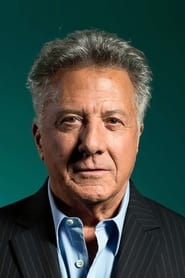
Thomas "Babe" Levy
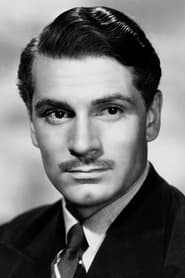
Dr. Christian Szell
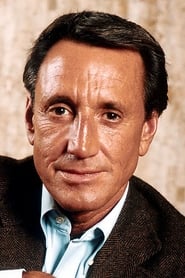
Henry "Doc" Levy

Elsa Opel
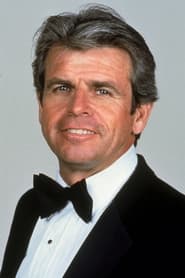
Peter "Janey" Janeway
Main Cast & Characters
Thomas "Babe" Levy
Played by Dustin Hoffman
Graduate student and marathon runner who becomes entangled in his brother's dangerous espionage work and must survive Nazi war criminal Dr. Szell's brutal interrogation.
Dr. Christian Szell
Played by Laurence Olivier
Former Nazi dentist and war criminal who emerges from hiding in South America to retrieve his stolen diamonds, using torture to extract information.
Henry "Doc" Levy
Played by Roy Scheider
Babe's older brother who works as a government agent involved in smuggling operations with Szell, leading to his death and Babe's entanglement.
Elsa Opel
Played by Marthe Keller
Mysterious woman who romantically pursues Babe but is revealed to be working for Szell to monitor and manipulate him.
Peter "Janey" Janeway
Played by William Devane
Doc's superior in the intelligence division who appears to help Babe but betrays him by working with Szell.
Structural Analysis
The Status Quo at 1 minutes (1% through the runtime) establishes Babe Levy runs through Central Park, training for a marathon while haunted by memories of his father's suicide during the McCarthy era. He is an innocent graduate student, isolated and obsessed with proving his father's legacy.. The analysis reveals that this early placement immediately immerses viewers in the story world.
The inciting incident occurs at 15 minutes when Szell's brother dies in a car accident road-rage incident with a Jewish Holocaust survivor. This forces the Nazi war criminal Christian Szell out of hiding in Uruguay, setting the entire deadly plot in motion.. At 12% through the film, this Disruption aligns precisely with traditional story structure. This beat shifts the emotional landscape, launching the protagonist into the central conflict.
The First Threshold at 31 minutes marks the transition into Act II, occurring at 25% of the runtime. This reveals the protagonist's commitment to Doc is brutally stabbed and stumbles to Babe's apartment, dying in his brother's arms. Babe is thrust from his sheltered academic world into a nightmare of espionage and murder he cannot comprehend., moving from reaction to action.
At 63 minutes, the Midpoint arrives at 50% of the runtime—precisely centered, creating perfect narrative symmetry. The analysis reveals that this crucial beat Szell tortures Babe with dental instruments in the infamous "Is it safe?" scene. The marathon runner who sought to outrun his past is now completely trapped, his innocence providing no protection against true evil., fundamentally raising what's at risk. The emotional intensity shifts, dividing the narrative into clear before-and-after phases.
The Collapse moment at 94 minutes (75% through) represents the emotional nadir. Here, Elsa is killed, confirming the ultimate betrayal. Every person Babe trusted has either died or deceived him. He is completely alone, with Szell still at large and Janeway hunting him., reveals the protagonist at their lowest point. This beat's placement in the final quarter sets up the climactic reversal.
The Second Threshold at 100 minutes initiates the final act resolution at 80% of the runtime. Babe kills Janeway, eliminating the corrupt government agent who facilitated Doc's murder. The innocent academic has become capable of lethal violence to pursue justice., demonstrating the transformation achieved throughout the journey.
Emotional Journey
Marathon Man's emotional architecture traces a deliberate progression across 15 carefully calibrated beats.
Narrative Framework
This structural analysis employs a 15-point narrative structure framework that maps key story moments. By mapping Marathon Man against these established plot points, we can identify how John Schlesinger utilizes or subverts traditional narrative conventions. The plot point approach reveals not only adherence to structural principles but also creative choices that distinguish Marathon Man within the thriller genre.
John Schlesinger's Structural Approach
Among the 5 John Schlesinger films analyzed on Arcplot, the average structural score is 7.1, reflecting strong command of classical structure. Marathon Man takes a more unconventional approach compared to the director's typical style. For comparative analysis, explore the complete John Schlesinger filmography.
Comparative Analysis
Additional thriller films include The Warriors, Thunderball and Rustom. For more John Schlesinger analyses, see Pacific Heights, Eye for an Eye and The Next Best Thing.
Plot Points by Act
Act I
SetupStatus Quo
Babe Levy runs through Central Park, training for a marathon while haunted by memories of his father's suicide during the McCarthy era. He is an innocent graduate student, isolated and obsessed with proving his father's legacy.
Theme
Doc Levy tells a colleague that in their line of work, "you can't trust anybody." This establishes the film's thematic concern with paranoia, trust, and the impossibility of knowing who people really are.
Worldbuilding
The parallel lives of the Levy brothers are established: Babe as a naive history student in New York, and Doc as a covert government operative. We see Babe's romance with Elsa begin, and Doc's dangerous work retrieving diamonds from former Nazis.
Disruption
Szell's brother dies in a car accident road-rage incident with a Jewish Holocaust survivor. This forces the Nazi war criminal Christian Szell out of hiding in Uruguay, setting the entire deadly plot in motion.
Resistance
Doc arrives in New York, and we see the brothers reunite after years apart. Babe deepens his relationship with Elsa while remaining unaware of his brother's true profession. Doc navigates the dangerous world of Szell's diamond couriers.
Act II
ConfrontationFirst Threshold
Doc is brutally stabbed and stumbles to Babe's apartment, dying in his brother's arms. Babe is thrust from his sheltered academic world into a nightmare of espionage and murder he cannot comprehend.
Mirror World
Elsa comforts Babe after Doc's death, representing the possibility of trust and human connection in a world of lies. Their relationship embodies the thematic question of whether anyone can truly be trusted.
Premise
Babe is drawn deeper into the conspiracy. Janeway and his operatives interrogate him. Szell arrives in New York to retrieve his diamonds. Babe begins to suspect Elsa may not be who she claims to be.
Midpoint
Szell tortures Babe with dental instruments in the infamous "Is it safe?" scene. The marathon runner who sought to outrun his past is now completely trapped, his innocence providing no protection against true evil.
Opposition
Babe escapes captivity and flees through New York. He discovers Elsa's true connection to Szell. Janeway reveals himself as corrupt. Szell retrieves his diamonds while being recognized by Holocaust survivors in the Diamond District.
Collapse
Elsa is killed, confirming the ultimate betrayal. Every person Babe trusted has either died or deceived him. He is completely alone, with Szell still at large and Janeway hunting him.
Crisis
Babe realizes he must stop running and confront his enemies directly. He obtains a gun and tracks Szell's movements, transforming from passive victim to active pursuer.
Act III
ResolutionSecond Threshold
Babe kills Janeway, eliminating the corrupt government agent who facilitated Doc's murder. The innocent academic has become capable of lethal violence to pursue justice.
Synthesis
Babe confronts Szell at the water treatment plant. He forces the Nazi to swallow his diamonds and ultimately causes Szell's death. Babe achieves revenge for his brother and symbolic justice for his father's persecution.
Transformation
Babe throws the gun into the water and walks away. The marathon man has completed the most grueling race of his life, no longer innocent but having proven that ordinary people can defeat monstrous evil.