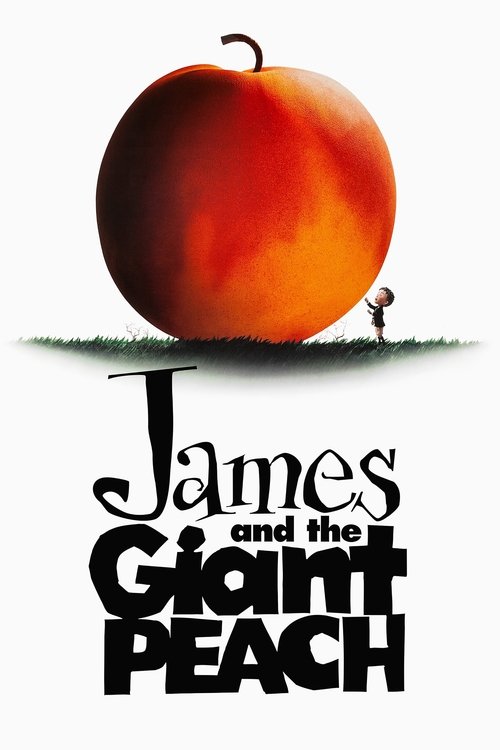
James and the Giant Peach
When the young orphan boy James spills a magic bag of crocodile tongues, he finds himself in possession of a giant peach that flies him away to strange lands.
The film underperformed commercially against its respectable budget of $38.0M, earning $28.9M globally (-24% loss).
Nominated for 1 Oscar. 4 wins & 13 nominations


Plot Structure
Story beats plotted across runtime


Narrative Arc
Emotional journey through the story's key moments
Story Circle
Blueprint 15-beat structure
Arcplot Score Breakdown
Weighted: Precision (70%) + Arc (15%) + Theme (15%)
James and the Giant Peach (1996) demonstrates deliberately positioned story structure, characteristic of Henry Selick's storytelling approach. This structural analysis examines how the film's 15-point plot structure maps to proven narrative frameworks across 1 hour and 19 minutes. With an Arcplot score of 6.7, the film balances conventional beats with creative variation.
Characters
Cast & narrative archetypes

James Henry Trotter
Centipede
Miss Spider
Grasshopper
Earthworm
Ladybug
Glowworm
Main Cast & Characters
James Henry Trotter
Played by Paul Terry
An orphaned boy who embarks on a magical journey inside a giant peach to escape his cruel aunts and find belonging.
Centipede
Played by Richard Dreyfuss
A brash, confident arthropod with many boots who serves as comic relief and challenges authority throughout the journey.
Miss Spider
Played by Susan Sarandon
An elegant, nurturing spider who serves as a maternal figure to James and reveals a dark connection to his past.
Grasshopper
Played by Simon Callow
A refined, intellectual musician who provides wisdom and calm guidance to the group during their adventure.
Earthworm
Played by David Thewlis
An anxious, pessimistic worm who constantly fears danger and serves as both comic relief and the group's cautionary voice.
Ladybug
Played by Jane Leeves
A kind, motherly insect who offers emotional support and practicality to James and the group.
Glowworm
Played by Miriam Margolyes
An elderly, dim-witted but sweet insect who provides light and occasional comic relief.
Structural Analysis
The Status Quo at 1 minutes (1% through the runtime) establishes James lives happily with his loving parents in a cozy seaside home, playing on the beach and enjoying an idyllic childhood filled with warmth and adventure.. Structural examination shows that this early placement immediately immerses viewers in the story world.
The inciting incident occurs at 7 minutes when A mysterious old man appears and gives James a bag of magical green crocodile tongues, promising they will bring him happiness and friends beyond his wildest dreams.. At 9% through the film, this Disruption arrives earlier than typical, accelerating the narrative momentum. This beat shifts the emotional landscape, launching the protagonist into the central conflict.
The First Threshold at 17 minutes marks the transition into Act II, occurring at 21% of the runtime. This indicates the protagonist's commitment to James makes the active choice to crawl through the tunnel into the giant peach, leaving his miserable life behind and entering a magical world of possibility., moving from reaction to action.
At 38 minutes, the Midpoint arrives at 49% of the runtime—precisely centered, creating perfect narrative symmetry. Of particular interest, this crucial beat The group successfully escapes sharks and is soaring through the clouds in celebration. They seem to have achieved their goal, but this false victory is about to be tested by greater dangers., fundamentally raising what's at risk. The emotional intensity shifts, dividing the narrative into clear before-and-after phases.
The Collapse moment at 56 minutes (71% through) represents the emotional nadir. Here, James must confront his greatest fear—the rhinoceros that killed his parents. In this dark moment, he faces the trauma that has haunted him, representing a symbolic death of his childhood innocence and fear., reveals the protagonist at their lowest point. This beat's placement in the final quarter sets up the climactic reversal.
The Second Threshold at 61 minutes initiates the final act resolution at 78% of the runtime. James declares "I'm not afraid anymore!" and takes decisive leadership to save his friends and guide the peach safely to New York City, synthesizing his newfound courage with his natural kindness., demonstrating the transformation achieved throughout the journey.
Emotional Journey
James and the Giant Peach's emotional architecture traces a deliberate progression across 15 carefully calibrated beats.
Narrative Framework
This structural analysis employs proven narrative structure principles that track dramatic progression. By mapping James and the Giant Peach against these established plot points, we can identify how Henry Selick utilizes or subverts traditional narrative conventions. The plot point approach reveals not only adherence to structural principles but also creative choices that distinguish James and the Giant Peach within the adventure genre.
Henry Selick's Structural Approach
Among the 4 Henry Selick films analyzed on Arcplot, the average structural score is 7.0, reflecting strong command of classical structure. James and the Giant Peach takes a more unconventional approach compared to the director's typical style. For comparative analysis, explore the complete Henry Selick filmography.
Comparative Analysis
Additional adventure films include The Black Stallion, The Bad Guys and Puss in Boots. For more Henry Selick analyses, see The Nightmare Before Christmas, Coraline and Monkeybone.
Plot Points by Act
Act I
SetupStatus Quo
James lives happily with his loving parents in a cozy seaside home, playing on the beach and enjoying an idyllic childhood filled with warmth and adventure.
Theme
James's father tells him, "Something wonderful is just around the corner," establishing the theme that hope and magic can be found even in darkness.
Worldbuilding
James's parents are killed by a rhinoceros, and he is sent to live with his cruel aunts Spiker and Sponge on a desolate hilltop. He becomes their servant, isolated and dreaming of escape to New York City.
Disruption
A mysterious old man appears and gives James a bag of magical green crocodile tongues, promising they will bring him happiness and friends beyond his wildest dreams.
Resistance
James accidentally spills the magic into the ground beneath the old peach tree. A giant peach grows overnight, attracting tourists. James discovers a tunnel into the peach and debates whether to enter this mysterious new world.
Act II
ConfrontationFirst Threshold
James makes the active choice to crawl through the tunnel into the giant peach, leaving his miserable life behind and entering a magical world of possibility.
Mirror World
James meets the giant insect friends inside the peach—Centipede, Grasshopper, Ladybug, Earthworm, Spider, and Glowworm—who become his chosen family and embody the theme of found family and belonging.
Premise
The peach breaks free and rolls into the ocean. James and his insect friends use seagulls to lift the peach into the sky, embarking on a fantastical journey toward New York City while learning to work together.
Midpoint
The group successfully escapes sharks and is soaring through the clouds in celebration. They seem to have achieved their goal, but this false victory is about to be tested by greater dangers.
Opposition
The peach encounters increasingly dangerous obstacles: a ghostly skeletal pirate ship in the clouds, James's fear of the rhinoceros manifesting, and conflicts among the insects as tensions rise and doubts emerge.
Collapse
James must confront his greatest fear—the rhinoceros that killed his parents. In this dark moment, he faces the trauma that has haunted him, representing a symbolic death of his childhood innocence and fear.
Crisis
James processes his confrontation with fear and realizes that the rhinoceros was just a storm cloud—his fear had no real power. He finds courage within himself and bonds deeply with his insect family.
Act III
ResolutionSecond Threshold
James declares "I'm not afraid anymore!" and takes decisive leadership to save his friends and guide the peach safely to New York City, synthesizing his newfound courage with his natural kindness.
Synthesis
The peach crashes onto the Empire State Building. James saves his friends from an angry mob, wins over the crowd with his story, and is celebrated as a hero alongside his insect family.
Transformation
James lives happily in Central Park inside the giant peach pit, surrounded by children and his insect friends. The lonely, fearful boy has become a confident storyteller who has found his family and home.