
Jaws
It's a hot summer on Amity Island, a small community whose main business is its beaches. When new Sheriff Martin Brody discovers the remains of a shark attack victim, his first inclination is to close the beaches to swimmers. This doesn't sit well with Mayor Larry Vaughn and several of the local businessmen. Brody backs down to his regret as that weekend a young boy is killed by the predator. The dead boy's mother puts out a bounty on the shark and Amity is soon swamped with amateur hunters and fisherman hoping to cash in on the reward. A local fisherman with much experience hunting sharks, Quint, offers to hunt down the creature for a hefty fee. Soon Quint, Brody and Matt Hooper from the Oceanographic Institute are at sea hunting the Great White shark. As Brody succinctly surmises after their first encounter with the creature, they're going to need a bigger boat.
Despite its modest budget of $7.0M, Jaws became a massive hit, earning $470.7M worldwide—a remarkable 6624% return. The film's distinctive approach resonated with audiences, confirming that strong storytelling can transcend budget limitations.
3 Oscars. 16 wins & 20 nominations
Roger Ebert
"Jaws is a sensationally effective thriller, a scary film that works all the better because it's populated with characters that have been developed into human beings."Read Full Review


Plot Structure
Story beats plotted across runtime


Narrative Arc
Emotional journey through the story's key moments
Story Circle
Blueprint 15-beat structure
Arcplot Score Breakdown
Weighted: Precision (70%) + Arc (15%) + Theme (15%)
Jaws (1975) demonstrates precise narrative architecture, characteristic of Steven Spielberg's storytelling approach. This structural analysis examines how the film's 15-point plot structure maps to proven narrative frameworks across 2 hours and 4 minutes. With an Arcplot score of 5.6, the film takes an unconventional approach to traditional narrative frameworks.
Characters
Cast & narrative archetypes
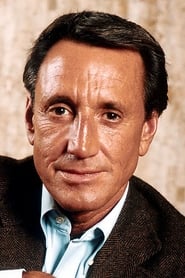
Martin Brody
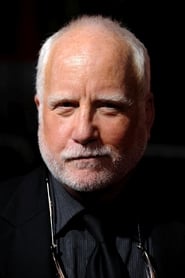
Matt Hooper
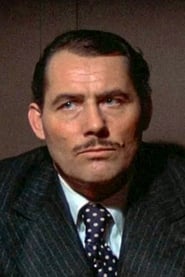
Quint

Ellen Brody

Mayor Larry Vaughn
Main Cast & Characters
Martin Brody
Played by Roy Scheider
Amity Island's police chief who must confront a great white shark despite his fear of water
Matt Hooper
Played by Richard Dreyfuss
A young marine biologist and shark expert who joins the hunt
Quint
Played by Robert Shaw
A grizzled, obsessive shark hunter with a dark past aboard the USS Indianapolis
Ellen Brody
Played by Lorraine Gary
Martin's supportive wife who helps ground him during the crisis
Mayor Larry Vaughn
Played by Murray Hamilton
Amity's mayor who prioritizes tourism revenue over public safety
Structural Analysis
The Status Quo at 1 minutes (1% through the runtime) establishes Peaceful beach town of Amity Island during summer season, a tourist haven dependent on beach revenue.. Notably, this early placement immediately immerses viewers in the story world.
The inciting incident occurs at 14 minutes when Medical examiner confirms shark attack, but Mayor Vaughn pressures Brody to downplay it as a boating accident, creating moral conflict.. At 11% through the film, this Disruption aligns precisely with traditional story structure. This beat shifts the emotional landscape, launching the protagonist into the central conflict.
The First Threshold at 28 minutes marks the transition into Act II, occurring at 23% of the runtime. This illustrates the protagonist's commitment to After the Kintner boy's death, Brody decisively closes the beaches despite political pressure, fully committing to stopping the shark., moving from reaction to action.
At 56 minutes, the Midpoint arrives at 46% of the runtime—arriving early, accelerating into Act IIb complications. Notably, this crucial beat Fourth of July disaster: Mayor reopens beaches, shark enters estuary and attacks again. Brody's son nearly dies. False victory of catching a shark collapses into undeniable danger., fundamentally raising what's at risk. The emotional intensity shifts, dividing the narrative into clear before-and-after phases.
The Collapse moment at 83 minutes (67% through) represents the emotional nadir. Here, Quint's obsessive pursuit destroys the boat's engine. The Orca is sinking, radio destroyed, and Quint is devoured by the shark in horrific fashion., indicates the protagonist at their lowest point. This beat's placement in the final quarter sets up the climactic reversal.
The Second Threshold at 89 minutes initiates the final act resolution at 72% of the runtime. Brody realizes he must act alone, combining Hooper's knowledge (compressed air is explosive) with his own courage. He chooses to face his fear directly., demonstrating the transformation achieved throughout the journey.
Emotional Journey
Jaws's emotional architecture traces a deliberate progression across 15 carefully calibrated beats.
Narrative Framework
This structural analysis employs a 15-point narrative structure framework that maps key story moments. By mapping Jaws against these established plot points, we can identify how Steven Spielberg utilizes or subverts traditional narrative conventions. The plot point approach reveals not only adherence to structural principles but also creative choices that distinguish Jaws within the adventure genre.
Steven Spielberg's Structural Approach
Among the 33 Steven Spielberg films analyzed on Arcplot, the average structural score is 5.8, showcasing experimental approaches to narrative form. Jaws takes a more unconventional approach compared to the director's typical style. For comparative analysis, explore the complete Steven Spielberg filmography.
Comparative Analysis
Additional adventure films include The Black Stallion, The Bad Guys and Puss in Boots. For more Steven Spielberg analyses, see The Adventures of Tintin, Close Encounters of the Third Kind and War Horse.
Plot Points by Act
Act I
SetupStatus Quo
Peaceful beach town of Amity Island during summer season, a tourist haven dependent on beach revenue.
Theme
Mayor Vaughn insists "Amity is a summer town, we need summer dollars," establishing the theme of responsibility vs. economic interest.
Worldbuilding
Introduction of Police Chief Brody as new to the island, the beach culture, and the first shark attack on Chrissie Watkins that Brody wants to handle responsibly.
Disruption
Medical examiner confirms shark attack, but Mayor Vaughn pressures Brody to downplay it as a boating accident, creating moral conflict.
Resistance
Brody reluctantly keeps beaches open under pressure. Second attack kills young Alex Kintner in full view of beach, making crisis undeniable. Oceanographer Hooper arrives to help.
Act II
ConfrontationFirst Threshold
After the Kintner boy's death, Brody decisively closes the beaches despite political pressure, fully committing to stopping the shark.
Mirror World
Brody bonds with oceanographer Hooper, who represents scientific expertise and courage that Brody lacks. Their partnership carries the thematic need for competence over politics.
Premise
The hunt for the shark: amateur fishermen pursue bounty, wrong shark caught and displayed, Hooper proves it's not the right one, and the real great white remains at large.
Midpoint
Fourth of July disaster: Mayor reopens beaches, shark enters estuary and attacks again. Brody's son nearly dies. False victory of catching a shark collapses into undeniable danger.
Opposition
Brody, Hooper, and Quint go to sea to hunt the shark. Initial confidence fades as they realize the shark's size and intelligence. Equipment fails, shark damages the boat.
Collapse
Quint's obsessive pursuit destroys the boat's engine. The Orca is sinking, radio destroyed, and Quint is devoured by the shark in horrific fashion.
Crisis
Brody and Hooper face seemingly certain death on a sinking boat, alone with the great white. Hooper's cage plan fails and he disappears. Brody is truly alone.
Act III
ResolutionSecond Threshold
Brody realizes he must act alone, combining Hooper's knowledge (compressed air is explosive) with his own courage. He chooses to face his fear directly.
Synthesis
Brody lures the shark, shoots the compressed air tank in its mouth, and destroys it in an explosion. He and Hooper survive, swimming back to shore together.
Transformation
Brody, who feared the water, now paddles calmly toward shore with Hooper, having conquered both the shark and his own limitations through decisive action.