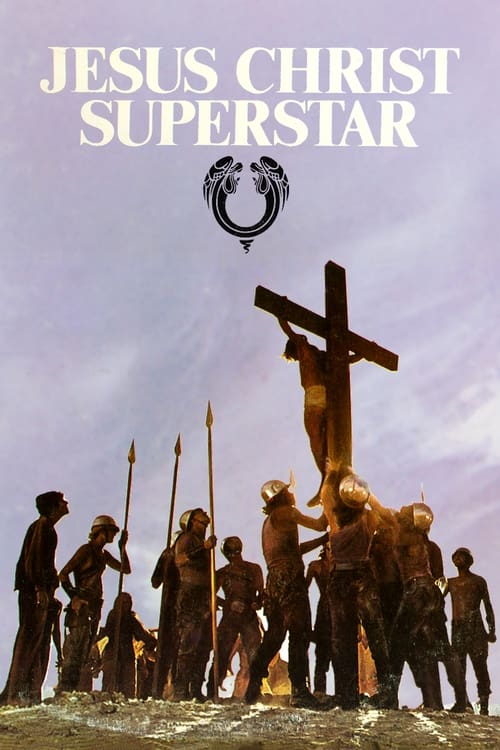
Jesus Christ Superstar
As played out by a theatre troupe, the last days of Jesus Christ are depicted from the perspective of Judas Iscariot, his betrayer. As Jesus' following increases, Judas begins to worry that Jesus is falling for his own hype, forgetting the principles of his teachings and growing too close to the prostitute Mary Magdalene.
Despite its small-scale budget of $3.5M, Jesus Christ Superstar became a box office phenomenon, earning $24.6M worldwide—a remarkable 603% return. The film's innovative storytelling connected with viewers, confirming that strong storytelling can transcend budget limitations.
Nominated for 1 Oscar. 3 wins & 13 nominations


Plot Structure
Story beats plotted across runtime


Narrative Arc
Emotional journey through the story's key moments
Story Circle
Blueprint 15-beat structure
Arcplot Score Breakdown
Weighted: Precision (70%) + Arc (15%) + Theme (15%)
Jesus Christ Superstar (1973) exhibits deliberately positioned story structure, characteristic of Norman Jewison's storytelling approach. This structural analysis examines how the film's 15-point plot structure maps to proven narrative frameworks across 1 hour and 48 minutes. With an Arcplot score of 6.8, the film balances conventional beats with creative variation.
Characters
Cast & narrative archetypes
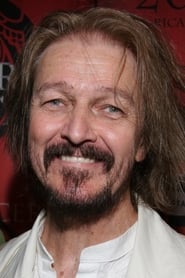
Jesus Christ

Judas Iscariot

Mary Magdalene

Pontius Pilate

King Herod

Caiaphas
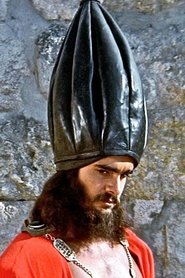
Annas
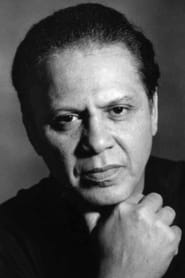
Simon Zealotes
Main Cast & Characters
Jesus Christ
Played by Ted Neeley
The central figure, a charismatic spiritual leader facing his final days, struggling with his divine mission and human fears
Judas Iscariot
Played by Carl Anderson
Jesus' most conflicted disciple who questions his methods and ultimately betrays him, driven by ideology and jealousy
Mary Magdalene
Played by Yvonne Elliman
A devoted follower who provides emotional support to Jesus, torn between love and understanding her role
Pontius Pilate
Played by Barry Dennen
The Roman governor caught between political pressure and his conscience, reluctantly condemning Jesus
King Herod
Played by Joshua Mostel
The flamboyant, mocking ruler who treats Jesus' trial as entertainment, representing cynical worldly power
Caiaphas
Played by Bob Bingham
The calculating high priest who orchestrates Jesus' arrest, prioritizing religious and political stability
Annas
Played by Kurt Yaghjian
Caiaphas' ally and fellow priest who supports the plot against Jesus with shrewd political maneuvering
Simon Zealotes
Played by Larry Marshall
An enthusiastic disciple who wants Jesus to lead a political revolution against Rome
Structural Analysis
The Status Quo at 1 minutes (1% through the runtime) establishes A bus arrives in the Israeli desert carrying a troupe of actors who unload costumes and props. They transform into biblical characters, establishing the theatrical framing device and the communal nature of the storytelling.. The analysis reveals that this early placement immediately immerses viewers in the story world.
The inciting incident occurs at 13 minutes when The priests led by Caiaphas convene and declare Jesus must be stopped: "He is dangerous." They sing "This Jesus Must Die," formally establishing the conspiracy that will drive the narrative toward its inevitable conclusion.. At 12% through the film, this Disruption aligns precisely with traditional story structure. This beat shifts the emotional landscape, launching the protagonist into the central conflict.
The First Threshold at 27 minutes marks the transition into Act II, occurring at 25% of the runtime. This illustrates the protagonist's commitment to Jesus enters Jerusalem in the triumphant "Hosanna" sequence. The crowd celebrates him as king, but Jesus accepts the adulation knowing it leads to his death. He actively chooses to proceed toward Jerusalem despite understanding the consequences., moving from reaction to action.
At 54 minutes, the Midpoint arrives at 50% of the runtime—precisely centered, creating perfect narrative symmetry. Significantly, this crucial beat During the Last Supper, Jesus confronts his apostles: "For all you care, this wine could be my blood." He reveals Judas as his betrayer and commands him to act. The false unity of the fellowship shatters as Jesus accepts his fate and Judas flees to complete his betrayal., fundamentally raising what's at risk. The emotional intensity shifts, dividing the narrative into clear before-and-after phases.
The Collapse moment at 81 minutes (75% through) represents the emotional nadir. Here, Judas, overcome with guilt and horror at what he has done, sings "Judas's Death" and hangs himself. His suicide represents the ultimate collapse—the death of the one character who might have understood Jesus, destroyed by his own actions., illustrates the protagonist at their lowest point. This beat's placement in the final quarter sets up the climactic reversal.
The Second Threshold at 86 minutes initiates the final act resolution at 80% of the runtime. The resurrected Judas appears in white, leading a celestial chorus in "Superstar," directly questioning Jesus: "Did you mean to die like that? Was that a mistake?" This metaphysical confrontation synthesizes the film's themes, allowing Jesus to proceed to his sacrifice with full understanding., demonstrating the transformation achieved throughout the journey.
Emotional Journey
Jesus Christ Superstar's emotional architecture traces a deliberate progression across 15 carefully calibrated beats.
Narrative Framework
This structural analysis employs proven narrative structure principles that track dramatic progression. By mapping Jesus Christ Superstar against these established plot points, we can identify how Norman Jewison utilizes or subverts traditional narrative conventions. The plot point approach reveals not only adherence to structural principles but also creative choices that distinguish Jesus Christ Superstar within the music genre.
Norman Jewison's Structural Approach
Among the 13 Norman Jewison films analyzed on Arcplot, the average structural score is 7.2, reflecting strong command of classical structure. Jesus Christ Superstar takes a more unconventional approach compared to the director's typical style. For comparative analysis, explore the complete Norman Jewison filmography.
Comparative Analysis
Additional music films include South Pacific, Dirty Dancing: Havana Nights and Yesterday. For more Norman Jewison analyses, see A Soldier's Story, ...And Justice for All and F.I.S.T..
Plot Points by Act
Act I
SetupStatus Quo
A bus arrives in the Israeli desert carrying a troupe of actors who unload costumes and props. They transform into biblical characters, establishing the theatrical framing device and the communal nature of the storytelling.
Theme
Judas sings "Heaven on Their Minds," articulating the central thematic tension: "You've begun to matter more than the things you say." He questions whether Jesus has lost sight of his mission, stating the theme of messianic burden versus human limitation.
Worldbuilding
The world of first-century Judea is established through song and spectacle. We see Jesus's devoted followers, the growing tensions with Judas, and the introduction of Mary Magdalene caring for Jesus. The apostles' blind devotion contrasts with Judas's skepticism.
Disruption
The priests led by Caiaphas convene and declare Jesus must be stopped: "He is dangerous." They sing "This Jesus Must Die," formally establishing the conspiracy that will drive the narrative toward its inevitable conclusion.
Resistance
Jesus grapples with his followers' expectations. Simon Zealotes urges political revolution ("Keep them yelling their devotion"), but Jesus rebukes him. Mary Magdalene offers comfort in "Everything's Alright" while Judas grows more conflicted about his role.
Act II
ConfrontationFirst Threshold
Jesus enters Jerusalem in the triumphant "Hosanna" sequence. The crowd celebrates him as king, but Jesus accepts the adulation knowing it leads to his death. He actively chooses to proceed toward Jerusalem despite understanding the consequences.
Mirror World
Mary Magdalene sings "I Don't Know How to Love Him," revealing her complex feelings for Jesus. She represents the human capacity for love and doubt, mirroring Jesus's own struggle between divine mission and human connection.
Premise
The promise of the premise unfolds: Jesus cleanses the Temple in righteous fury, heals the sick and lepers ("See my eyes, I can see!"), and confronts the contradictions of his mission. Judas watches with growing alarm as events spiral toward catastrophe.
Midpoint
During the Last Supper, Jesus confronts his apostles: "For all you care, this wine could be my blood." He reveals Judas as his betrayer and commands him to act. The false unity of the fellowship shatters as Jesus accepts his fate and Judas flees to complete his betrayal.
Opposition
The forces against Jesus intensify. Judas completes his deal with Caiaphas for thirty pieces of silver. Jesus agonizes in Gethsemane singing "I only want to say," questioning God's plan. He is arrested after the kiss of betrayal, and the apostles scatter in fear.
Collapse
Judas, overcome with guilt and horror at what he has done, sings "Judas's Death" and hangs himself. His suicide represents the ultimate collapse—the death of the one character who might have understood Jesus, destroyed by his own actions.
Crisis
Jesus is shuttled between Pilate and Herod in a nightmarish sequence. Herod mocks him in a vaudevillian number demanding miracles. Pilate washes his hands of responsibility. Jesus is scourged—"thirty-nine lashes"—as all worldly powers reject him.
Act III
ResolutionSecond Threshold
The resurrected Judas appears in white, leading a celestial chorus in "Superstar," directly questioning Jesus: "Did you mean to die like that? Was that a mistake?" This metaphysical confrontation synthesizes the film's themes, allowing Jesus to proceed to his sacrifice with full understanding.
Synthesis
Jesus carries the cross through the desert to Golgotha. He is crucified as the company watches in stillness. His final words—"Father, into your hands I commend my spirit"—complete his sacrifice. The theatrical nature emphasizes the mythic, timeless quality of the passion.
Transformation
The actors silently pack their costumes and board the bus as the sun sets behind the empty cross. One actor—the one who played Jesus—is notably absent. The transformation is complete: the theatrical frame dissolves into genuine mystery, leaving the resurrection unspoken but implied.