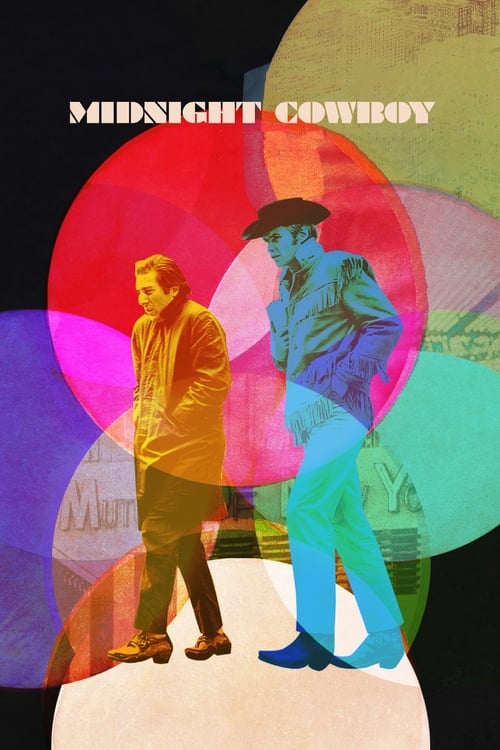
Midnight Cowboy
Joe Buck is a wide-eyed hustler from Texas hoping to score big with wealthy New York City women; he finds a companion in Enrico "Ratso" Rizzo, an ailing swindler with a bum leg and a quixotic fantasy of escaping to Florida.
Despite its tight budget of $3.6M, Midnight Cowboy became a massive hit, earning $44.8M worldwide—a remarkable 1144% return. The film's unconventional structure attracted moviegoers, illustrating how strong storytelling can transcend budget limitations.
3 Oscars. 28 wins & 16 nominations


Plot Structure
Story beats plotted across runtime


Narrative Arc
Emotional journey through the story's key moments
Story Circle
Blueprint 15-beat structure
Arcplot Score Breakdown
Weighted: Precision (70%) + Arc (15%) + Theme (15%)
Midnight Cowboy (1969) exhibits meticulously timed plot construction, characteristic of John Schlesinger's storytelling approach. This structural analysis examines how the film's 15-point plot structure maps to proven narrative frameworks across 1 hour and 53 minutes. With an Arcplot score of 6.6, the film balances conventional beats with creative variation.
Characters
Cast & narrative archetypes

Joe Buck

Enrico "Ratso" Rizzo
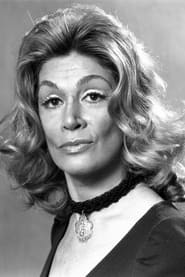
Cass
Main Cast & Characters
Joe Buck
Played by Jon Voight
A naive Texas dishwasher who moves to New York City to become a hustler, believing women will pay for his services.
Enrico "Ratso" Rizzo
Played by Dustin Hoffman
A sickly, limping con man who becomes Joe's unlikely friend and roommate in a condemned building.
Cass
Played by Sylvia Miles
A wealthy Park Avenue woman who picks up Joe at a party and pays him for sex.
Structural Analysis
The Status Quo at 1 minutes (1% through the runtime) establishes Joe Buck prepares to leave Texas, showing off his cowboy outfit in the mirror, naively confident about his future as a hustler in New York City.. The analysis reveals that this early placement immediately immerses viewers in the story world.
The inciting incident occurs at 14 minutes when Joe arrives in New York City and the harsh reality immediately crashes against his naive expectations. The city is dirty, crowded, and indifferent to his cowboy charm.. At 12% through the film, this Disruption aligns precisely with traditional story structure. This beat shifts the emotional landscape, launching the protagonist into the central conflict.
The First Threshold at 29 minutes marks the transition into Act II, occurring at 26% of the runtime. This shows the protagonist's commitment to Broke and desperate, Joe sells his radio and coat for survival money. He actively chooses to stay in New York and pursue hustling, despite having nothing. He moves into a fleabag hotel., moving from reaction to action.
At 57 minutes, the Midpoint arrives at 50% of the runtime—precisely centered, creating perfect narrative symmetry. Of particular interest, this crucial beat Joe experiences impotence with his first female client, a devastating false defeat that crushes his cowboy-stud fantasy and reveals his deep psychological damage from past sexual trauma., fundamentally raising what's at risk. The emotional intensity shifts, dividing the narrative into clear before-and-after phases.
The Collapse moment at 85 minutes (75% through) represents the emotional nadir. Here, Ratso collapses, feverish and delirious. Joe realizes his only friend is dying, and they have no money for medicine or escape to Florida. The dream is dead., reveals the protagonist at their lowest point. This beat's placement in the final quarter sets up the climactic reversal.
The Second Threshold at 90 minutes initiates the final act resolution at 80% of the runtime. Joe violently robs and assaults a hotel client to get money for bus tickets to Florida. He abandons his cowboy dream and innocence, becoming what the city made him: a criminal., demonstrating the transformation achieved throughout the journey.
Emotional Journey
Midnight Cowboy's emotional architecture traces a deliberate progression across 15 carefully calibrated beats.
Narrative Framework
This structural analysis employs a 15-point narrative structure framework that maps key story moments. By mapping Midnight Cowboy against these established plot points, we can identify how John Schlesinger utilizes or subverts traditional narrative conventions. The plot point approach reveals not only adherence to structural principles but also creative choices that distinguish Midnight Cowboy within the drama genre.
John Schlesinger's Structural Approach
Among the 5 John Schlesinger films analyzed on Arcplot, the average structural score is 7.1, reflecting strong command of classical structure. Midnight Cowboy takes a more unconventional approach compared to the director's typical style. For comparative analysis, explore the complete John Schlesinger filmography.
Comparative Analysis
Additional drama films include After Thomas, South Pacific and Dirty Dancing: Havana Nights. For more John Schlesinger analyses, see Marathon Man, Pacific Heights and Eye for an Eye.
Plot Points by Act
Act I
SetupStatus Quo
Joe Buck prepares to leave Texas, showing off his cowboy outfit in the mirror, naively confident about his future as a hustler in New York City.
Theme
The elderly woman at the diner tells Joe, "Only the famished and the starving can make it in New York," foreshadowing the harsh reality that awaits him.
Worldbuilding
Joe's life as a dishwasher in Texas, his fantasies about success with women, his goodbye to his boss, and his bus journey to New York. Flashbacks reveal his troubled past with his grandmother and girlfriend Annie.
Disruption
Joe arrives in New York City and the harsh reality immediately crashes against his naive expectations. The city is dirty, crowded, and indifferent to his cowboy charm.
Resistance
Joe struggles to find clients, gets conned by Cass (who takes money from him instead), and meets Ratso Rizzo, who scams him out of $20 by sending him to a fake religious pimp. Joe debates whether to stay or return to Texas.
Act II
ConfrontationFirst Threshold
Broke and desperate, Joe sells his radio and coat for survival money. He actively chooses to stay in New York and pursue hustling, despite having nothing. He moves into a fleabag hotel.
Mirror World
Joe encounters Ratso again and, despite being angry about the scam, begins a reluctant partnership. Ratso represents the survival skills and street wisdom Joe lacks.
Premise
Joe moves into Ratso's condemned building. They survive through petty theft and schemes. Their odd-couple friendship develops as they dream of escaping to Florida. Joe finally gets a female client but can't perform.
Midpoint
Joe experiences impotence with his first female client, a devastating false defeat that crushes his cowboy-stud fantasy and reveals his deep psychological damage from past sexual trauma.
Opposition
Ratso's health deteriorates rapidly while they struggle to survive the winter. Joe's failures mount, and the city becomes increasingly hostile. Their desperate poverty intensifies as Ratso's cough worsens.
Collapse
Ratso collapses, feverish and delirious. Joe realizes his only friend is dying, and they have no money for medicine or escape to Florida. The dream is dead.
Crisis
Joe sits in the dark with dying Ratso, facing the failure of all his dreams. He contemplates what he must become to save his friend, wrestling with abandoning his cowboy identity.
Act III
ResolutionSecond Threshold
Joe violently robs and assaults a hotel client to get money for bus tickets to Florida. He abandons his cowboy dream and innocence, becoming what the city made him: a criminal.
Synthesis
Joe gets Ratso onto a bus to Florida, caring for him tenderly. He discards his cowboy outfit, planning to get a regular job in Florida. The journey becomes a death watch as Ratso fades.
Transformation
Ratso dies on the bus as they arrive in Florida. Joe sits holding his dead friend, no longer a cowboy, transformed by love and loss into something real - a man who tried to save someone.