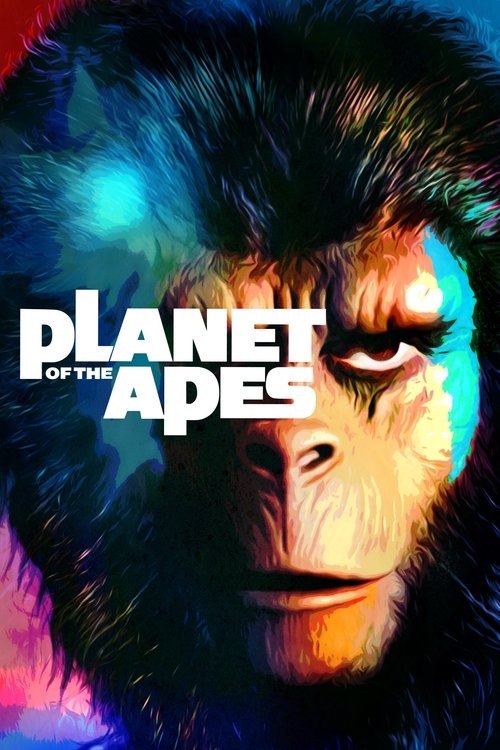
Planet of the Apes
Astronaut Taylor crash lands on a distant planet ruled by apes who use a primitive race of humans for experimentation and sport. Soon Taylor finds himself among the hunted, his life in the hands of a benevolent chimpanzee scientist.
Despite its modest budget of $5.8M, Planet of the Apes became a solid performer, earning $32.6M worldwide—a 462% return. The film's unique voice connected with viewers, confirming that strong storytelling can transcend budget limitations.
Nominated for 2 Oscars. 6 wins & 5 nominations


Plot Structure
Story beats plotted across runtime


Narrative Arc
Emotional journey through the story's key moments
Story Circle
Blueprint 15-beat structure
Arcplot Score Breakdown
Weighted: Precision (70%) + Arc (15%) + Theme (15%)
Planet of the Apes (1968) reveals precise narrative design, characteristic of Franklin J. Schaffner's storytelling approach. This structural analysis examines how the film's 15-point plot structure maps to proven narrative frameworks across 1 hour and 52 minutes. With an Arcplot score of 6.9, the film balances conventional beats with creative variation.
Characters
Cast & narrative archetypes

George Taylor
Cornelius
Zira
Dr. Zaius
Nova
President of the Assembly
Honorious
Maximus
Lucius
Main Cast & Characters
George Taylor
Played by Charlton Heston
A cynical American astronaut who crash-lands on a strange planet ruled by intelligent apes, fighting to prove his humanity and uncover the truth about this world.
Cornelius
Played by Roddy McDowall
A sympathetic chimpanzee archaeologist who defies ape orthodoxy to help Taylor and seeks scientific truth despite societal pressure.
Zira
Played by Kim Hunter
An open-minded chimpanzee animal psychologist who becomes Taylor's advocate and ally, challenging ape beliefs about human intelligence.
Dr. Zaius
Played by Maurice Evans
The Minister of Science and Chief Defender of the Faith who harbors dark secrets about human history and ruthlessly protects ape society's foundations.
Nova
Played by Linda Harrison
A primitive mute human woman captured alongside Taylor who becomes his companion and love interest in this hostile world.
President of the Assembly
Played by James Whitmore
The orangutan political leader who presides over Taylor's tribunal and represents ape governmental authority.
Honorious
Played by James Daly
An orangutan member of the tribunal who helps judge Taylor's case and upholds traditional ape beliefs.
Maximus
Played by Woodrow Parfrey
An orangutan commissioner who participates in the proceedings against Taylor.
Lucius
Played by Lou Wagner
Zira's young chimpanzee nephew who assists in Taylor's escape, representing the idealistic younger generation of apes.
Structural Analysis
The Status Quo at 1 minutes (1% through the runtime) establishes Taylor and crew in suspended animation aboard their spacecraft, representing humanity's confidence and technological supremacy as they journey through space.. Significantly, this early placement immediately immerses viewers in the story world.
The inciting incident occurs at 13 minutes when The astronauts discover primitive humans and cultivated crops, then are suddenly attacked by gorillas on horseback hunting humans. Taylor is shot in the throat and captured.. At 12% through the film, this Disruption aligns precisely with traditional story structure. This beat shifts the emotional landscape, launching the protagonist into the central conflict.
The First Threshold at 28 minutes marks the transition into Act II, occurring at 25% of the runtime. This shows the protagonist's commitment to Taylor regains his voice and speaks: "Take your stinking paws off me, you damn dirty ape!" His ability to speak proves his intelligence and forces the apes to acknowledge him as more than an animal, launching his fight for recognition., moving from reaction to action.
At 56 minutes, the Midpoint arrives at 50% of the runtime—precisely centered, creating perfect narrative symmetry. Structural examination shows that this crucial beat The tribunal denies Taylor's intelligence and orders him castrated and lobotomized. Dr. Zaius reveals he knows the truth about humans but will suppress it to protect ape society. The stakes are raised from freedom to survival., fundamentally raising what's at risk. The emotional intensity shifts, dividing the narrative into clear before-and-after phases.
The Collapse moment at 84 minutes (75% through) represents the emotional nadir. Here, In the caves of the Forbidden Zone, Dr. Zaius confronts the evidence of ancient human civilization but refuses to accept it. He threatens to destroy Cornelius and Zira, and Taylor realizes he may never prove the truth or find his place., illustrates the protagonist at their lowest point. This beat's placement in the final quarter sets up the climactic reversal.
The Second Threshold at 91 minutes initiates the final act resolution at 81% of the runtime. Dr. Zaius allows Taylor to leave into the Forbidden Zone, warning him: "You may not like what you find." Taylor chooses to seek the truth about this world rather than accept ignorance or captivity., demonstrating the transformation achieved throughout the journey.
Emotional Journey
Planet of the Apes's emotional architecture traces a deliberate progression across 15 carefully calibrated beats.
Narrative Framework
This structural analysis employs systematic plot point analysis that identifies crucial turning points. By mapping Planet of the Apes against these established plot points, we can identify how Franklin J. Schaffner utilizes or subverts traditional narrative conventions. The plot point approach reveals not only adherence to structural principles but also creative choices that distinguish Planet of the Apes within the science fiction genre.
Franklin J. Schaffner's Structural Approach
Among the 3 Franklin J. Schaffner films analyzed on Arcplot, the average structural score is 6.7, demonstrating varied approaches to story architecture. Planet of the Apes represents one of the director's most structurally precise works. For comparative analysis, explore the complete Franklin J. Schaffner filmography.
Comparative Analysis
Additional science fiction films include The Postman, Mad Max 2 and AVP: Alien vs. Predator. For more Franklin J. Schaffner analyses, see Papillon, Patton.
Plot Points by Act
Act I
SetupStatus Quo
Taylor and crew in suspended animation aboard their spacecraft, representing humanity's confidence and technological supremacy as they journey through space.
Theme
Taylor's recorded message: "Does man, that marvel of the universe, that glorious paradox who sent me to the stars, still make war against his brother?" The central question of civilization, progress, and humanity's nature.
Worldbuilding
The crew awakens to discover they've crash-landed on an unknown planet in 3978 AD. One crew member is dead. They explore the barren landscape, establishing the harsh alien environment and Taylor's cynical worldview.
Disruption
The astronauts discover primitive humans and cultivated crops, then are suddenly attacked by gorillas on horseback hunting humans. Taylor is shot in the throat and captured.
Resistance
Taylor is imprisoned and unable to speak due to his throat wound. He observes the ape society where apes are civilized and humans are primitive animals. He meets Zira and Cornelius, sympathetic chimpanzee scientists who begin to recognize his intelligence.
Act II
ConfrontationFirst Threshold
Taylor regains his voice and speaks: "Take your stinking paws off me, you damn dirty ape!" His ability to speak proves his intelligence and forces the apes to acknowledge him as more than an animal, launching his fight for recognition.
Mirror World
Zira and Cornelius become Taylor's advocates and allies, representing enlightenment and scientific truth against dogma. Their relationship with Taylor carries the theme of prejudice versus reason.
Premise
Taylor navigates ape society, the promise of the premise: an intelligent human in a world ruled by apes. He faces trial before the orangutan tribunal led by Dr. Zaius, fighting to prove human intelligence and gain his freedom.
Midpoint
The tribunal denies Taylor's intelligence and orders him castrated and lobotomized. Dr. Zaius reveals he knows the truth about humans but will suppress it to protect ape society. The stakes are raised from freedom to survival.
Opposition
Taylor escapes with Nova and is pursued by Dr. Zaius and the gorilla army. Zira and Cornelius help them reach the Forbidden Zone. Dr. Zaius intensifies efforts to silence Taylor and destroy evidence of human civilization.
Collapse
In the caves of the Forbidden Zone, Dr. Zaius confronts the evidence of ancient human civilization but refuses to accept it. He threatens to destroy Cornelius and Zira, and Taylor realizes he may never prove the truth or find his place.
Crisis
Taylor confronts Dr. Zaius about what he knows. Zaius admits he has always known about the human threat but believes ape society must be protected. Taylor bargains for his freedom and the truth.
Act III
ResolutionSecond Threshold
Dr. Zaius allows Taylor to leave into the Forbidden Zone, warning him: "You may not like what you find." Taylor chooses to seek the truth about this world rather than accept ignorance or captivity.
Synthesis
Taylor and Nova ride along the shoreline of the Forbidden Zone, searching for answers about where he truly is and what happened to humanity.
Transformation
Taylor discovers the ruins of the Statue of Liberty buried in sand. He realizes he's been on Earth all along and humanity destroyed itself. He collapses in despair: "You maniacs! You blew it up! Damn you all to hell!" His cynicism about humanity was justified.