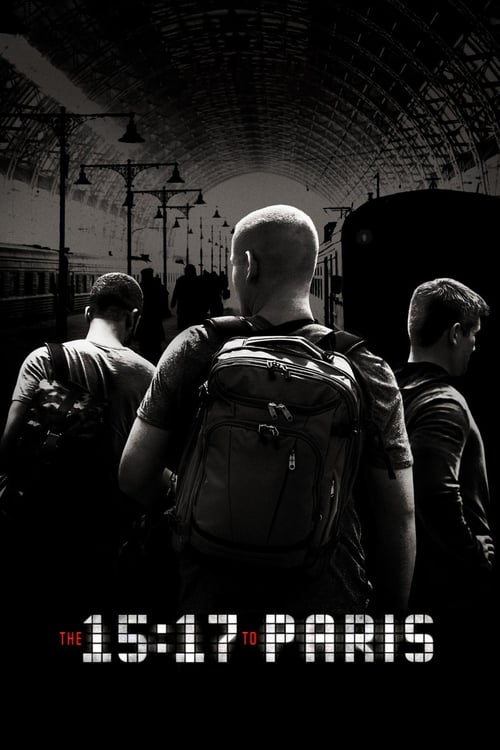
The 15:17 to Paris
On Aug. 21, 2015, the world watches in stunned silence as the media reports a thwarted terrorist attack on a train that's bound for Paris -- an attempt prevented by three young Americans traveling together through Europe. The heroic and courageous actions of Anthony Sadler, Alek Skarlatos and Spencer Stone help to save the lives of more than 500 passengers on board.
Working with a mid-range budget of $30.0M, the film achieved a steady performer with $57.1M in global revenue (+90% profit margin).
1 win & 3 nominations


Plot Structure
Story beats plotted across runtime


Narrative Arc
Emotional journey through the story's key moments
Story Circle
Blueprint 15-beat structure
Arcplot Score Breakdown
Weighted: Precision (70%) + Arc (15%) + Theme (15%)
The 15:17 to Paris (2018) exemplifies carefully calibrated plot construction, characteristic of Clint Eastwood's storytelling approach. This structural analysis examines how the film's 15-point plot structure maps to proven narrative frameworks across 1 hour and 34 minutes. With an Arcplot score of 7.3, the film balances conventional beats with creative variation.
Characters
Cast & narrative archetypes

Spencer Stone
Alek Skarlatos
Anthony Sadler
Joyce Eskel
Heidi Skarlatos
Main Cast & Characters
Spencer Stone
Played by Spencer Stone
U.S. Air Force Airman First Class who heroically subdued a gunman on a train. Loyal, physically strong, and protective of his friends.
Alek Skarlatos
Played by Alek Skarlatos
Oregon Army National Guardsman and one of the three friends who stopped the train attack. Disciplined, brave, and mission-focused.
Anthony Sadler
Played by Anthony Sadler
College student and longtime friend who traveled through Europe with Spencer and Alek. Supportive, observant, and morally grounded.
Joyce Eskel
Played by Judy Greer
Spencer Stone's devoted mother who advocated for him throughout his troubled school years and raised him with strong Christian values.
Heidi Skarlatos
Played by Jenna Fischer
Alek Skarlatos' supportive mother who encouraged his independence and military aspirations.
Structural Analysis
The Status Quo at 1 minutes (1% through the runtime) establishes Three young men board a train in Amsterdam, chatting casually as tourists. The mundane journey establishes their ordinary world before heroism.. The analysis reveals that this early placement immediately immerses viewers in the story world.
The inciting incident occurs at 12 minutes when Spencer fails the Air Force pararescue training pipeline, devastated. His dream of serving and finding purpose collapses, leaving him adrift.. At 13% through the film, this Disruption is delayed, allowing extended setup of the story world. This beat shifts the emotional landscape, launching the protagonist into the central conflict.
The First Threshold at 25 minutes marks the transition into Act II, occurring at 26% of the runtime. This reveals the protagonist's commitment to Spencer decides to backpack through Europe with Alek and Sadler. Active choice to leave his failed path behind and seek adventure, unknowingly moving toward his true purpose., moving from reaction to action.
At 48 minutes, the Midpoint arrives at 51% of the runtime—precisely centered, creating perfect narrative symmetry. Of particular interest, this crucial beat The friends board the train from Amsterdam to Paris. The journey that seemed like another tourist excursion is actually moving them toward their destiny. Stakes subtly raise., fundamentally raising what's at risk. The emotional intensity shifts, dividing the narrative into clear before-and-after phases.
The Collapse moment at 72 minutes (76% through) represents the emotional nadir. Here, Gunshots ring out. The terrorist emerges with an AK-47. Passengers scream and hide. The moment of maximum danger and death - literal threat to hundreds of lives., reveals the protagonist at their lowest point. This beat's placement in the final quarter sets up the climactic reversal.
The Second Threshold at 76 minutes initiates the final act resolution at 80% of the runtime. Spencer yells "Let's go!" and charges the gunman. All their training, friendship, and character synthesis in the decision to act. They become who they were meant to be., demonstrating the transformation achieved throughout the journey.
Emotional Journey
The 15:17 to Paris's emotional architecture traces a deliberate progression across 15 carefully calibrated beats.
Narrative Framework
This structural analysis employs proven narrative structure principles that track dramatic progression. By mapping The 15:17 to Paris against these established plot points, we can identify how Clint Eastwood utilizes or subverts traditional narrative conventions. The plot point approach reveals not only adherence to structural principles but also creative choices that distinguish The 15:17 to Paris within the drama genre.
Clint Eastwood's Structural Approach
Among the 32 Clint Eastwood films analyzed on Arcplot, the average structural score is 6.5, demonstrating varied approaches to story architecture. The 15:17 to Paris represents one of the director's most structurally precise works. For comparative analysis, explore the complete Clint Eastwood filmography.
Comparative Analysis
Additional drama films include After Thomas, South Pacific and Dirty Dancing: Havana Nights. For more Clint Eastwood analyses, see True Crime, Million Dollar Baby and The Gauntlet.
Plot Points by Act
Act I
SetupStatus Quo
Three young men board a train in Amsterdam, chatting casually as tourists. The mundane journey establishes their ordinary world before heroism.
Theme
Flashback to childhood: a teacher tells young Spencer, "You can't just do whatever you want." The theme of defying expectations and finding purpose is introduced.
Worldbuilding
Extended flashbacks establish the three friends' childhoods: Spencer and Alek as misfits in Christian school, meeting Sadler, bonding over trouble-making. Shows their ordinary lives as directionless young men.
Disruption
Spencer fails the Air Force pararescue training pipeline, devastated. His dream of serving and finding purpose collapses, leaving him adrift.
Resistance
Spencer struggles with his failure, works security job. Alek serves in Afghanistan. The friends stay connected, debating what to do with their lives. Spencer's mother encourages him to travel and find himself.
Act II
ConfrontationFirst Threshold
Spencer decides to backpack through Europe with Alek and Sadler. Active choice to leave his failed path behind and seek adventure, unknowingly moving toward his true purpose.
Mirror World
The three friends reunite in Italy, beginning their European adventure. Their friendship represents the bond that will enable their heroism - they are stronger together.
Premise
The friends travel through Rome, Venice, Amsterdam - sightseeing, partying, being tourists. Intercut with more childhood/military flashbacks showing their training and character formation.
Midpoint
The friends board the train from Amsterdam to Paris. The journey that seemed like another tourist excursion is actually moving them toward their destiny. Stakes subtly raise.
Opposition
On the train, tension slowly builds. More flashbacks to their training and development. The terrorist prepares in the bathroom. Normal life continues, unaware of approaching danger.
Collapse
Gunshots ring out. The terrorist emerges with an AK-47. Passengers scream and hide. The moment of maximum danger and death - literal threat to hundreds of lives.
Crisis
Split-second decisions. Spencer, Alek, and Anthony Sadler must choose: hide like everyone else or act. The dark night is the moment before choosing to risk everything.
Act III
ResolutionSecond Threshold
Spencer yells "Let's go!" and charges the gunman. All their training, friendship, and character synthesis in the decision to act. They become who they were meant to be.
Synthesis
The friends tackle and subdue the terrorist, using their military training and improvisation. They save lives, treat wounded, secure the scene. Police arrive. Aftermath and heroic recognition.
Transformation
The three friends receive the Legion of Honour from French President Hollande. The "misfits" who couldn't fit into normal paths found their purpose through heroism. Transformation complete.