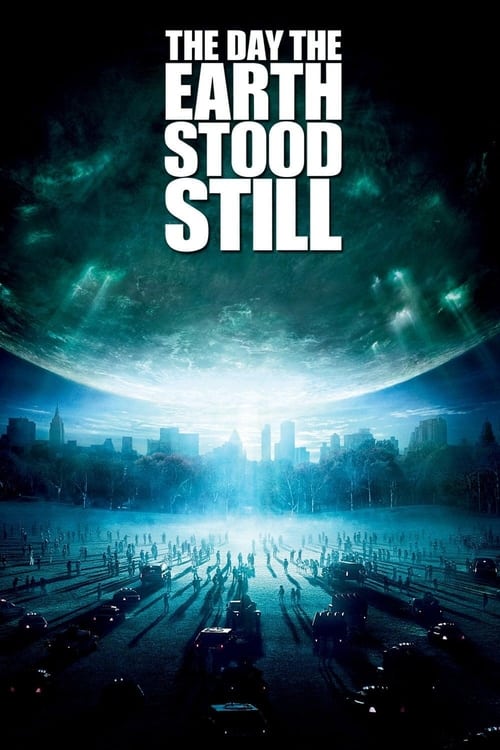
The Day the Earth Stood Still
A representative of an alien race that went through drastic evolution to survive its own climate change, Klaatu comes to Earth to assess whether humanity can prevent the environmental damage they have inflicted on their own planet. When barred from speaking to the United Nations, he decides humankind shall be exterminated so the planet can survive.
Despite a significant budget of $80.0M, The Day the Earth Stood Still became a box office success, earning $233.1M worldwide—a 191% return.
2 wins & 5 nominations


Plot Structure
Story beats plotted across runtime


Narrative Arc
Emotional journey through the story's key moments
Story Circle
Blueprint 15-beat structure
Arcplot Score Breakdown
Weighted: Precision (70%) + Arc (15%) + Theme (15%)
The Day the Earth Stood Still (2008) reveals meticulously timed plot construction, characteristic of Scott Derrickson's storytelling approach. This structural analysis examines how the film's 15-point plot structure maps to proven narrative frameworks across 1 hour and 44 minutes. With an Arcplot score of 7.0, the film balances conventional beats with creative variation.
Characters
Cast & narrative archetypes

Klaatu
Dr. Helen Benson
Jacob Benson
Dr. Barnhardt
Regina Jackson
Main Cast & Characters
Klaatu
Played by Keanu Reeves
An alien emissary who arrives on Earth to deliver an ultimatum about humanity's destructive behavior and potential for change.
Dr. Helen Benson
Played by Jennifer Connelly
An astrobiologist and single mother who becomes Klaatu's reluctant guide and advocate for humanity's redemption.
Jacob Benson
Played by Jaden Smith
Helen's rebellious stepson who struggles with loss and gradually learns to connect with both Helen and Klaatu.
Dr. Barnhardt
Played by John Cleese
A Nobel Prize-winning scientist who understands the gravity of Klaatu's message and pleads for humanity's chance to evolve.
Regina Jackson
Played by Kathy Bates
The Secretary of Defense who represents governmental authority and takes a militaristic approach to the alien threat.
Structural Analysis
The Status Quo at 1 minutes (1% through the runtime) establishes 1928 India: A mountaineer encounters a glowing sphere and awakens with a scar on his hand, establishing the alien presence has been watching Earth for decades.. Significantly, this early placement immediately immerses viewers in the story world.
The inciting incident occurs at 12 minutes when A massive glowing sphere lands in Central Park. Klaatu emerges and is immediately shot by a nervous soldier. The giant robot GORT activates defensively. First contact becomes a crisis.. At 12% through the film, this Disruption aligns precisely with traditional story structure. This beat shifts the emotional landscape, launching the protagonist into the central conflict.
The First Threshold at 26 minutes marks the transition into Act II, occurring at 25% of the runtime. This indicates the protagonist's commitment to Helen helps Klaatu escape military custody. She makes an active choice to trust the alien over her own government, crossing from observer to participant in humanity's judgment., moving from reaction to action.
At 52 minutes, the Midpoint arrives at 50% of the runtime—precisely centered, creating perfect narrative symmetry. Structural examination shows that this crucial beat Klaatu activates the arks—spheres worldwide begin collecting Earth's species. The extinction protocol has begun. This is a false defeat: Klaatu has decided humanity cannot be saved, raising the stakes to planetary annihilation., fundamentally raising what's at risk. The emotional intensity shifts, dividing the narrative into clear before-and-after phases.
The Collapse moment at 78 minutes (75% through) represents the emotional nadir. Here, The swarm spreads uncontrollably, destroying everything. Jacob is injured. Helen begs Klaatu to stop it, but he says it's too late—he cannot stop what has begun. Humanity's extinction appears inevitable. Death permeates the moment., illustrates the protagonist at their lowest point. This beat's placement in the final quarter sets up the climactic reversal.
The Second Threshold at 83 minutes initiates the final act resolution at 80% of the runtime. Klaatu uses his power to resurrect Jacob. In this act of compassion, he finally understands what Barnhardt meant—humans change at the precipice. Helen and Jacob's love proves humanity's worth. Klaatu decides to stop the destruction., demonstrating the transformation achieved throughout the journey.
Emotional Journey
The Day the Earth Stood Still's emotional architecture traces a deliberate progression across 15 carefully calibrated beats.
Narrative Framework
This structural analysis employs a 15-point narrative structure framework that maps key story moments. By mapping The Day the Earth Stood Still against these established plot points, we can identify how Scott Derrickson utilizes or subverts traditional narrative conventions. The plot point approach reveals not only adherence to structural principles but also creative choices that distinguish The Day the Earth Stood Still within the drama genre.
Scott Derrickson's Structural Approach
Among the 6 Scott Derrickson films analyzed on Arcplot, the average structural score is 6.9, demonstrating varied approaches to story architecture. The Day the Earth Stood Still represents one of the director's most structurally precise works. For comparative analysis, explore the complete Scott Derrickson filmography.
Comparative Analysis
Additional drama films include After Thomas, South Pacific and Dirty Dancing: Havana Nights. For more Scott Derrickson analyses, see Doctor Strange, Deliver Us from Evil and The Black Phone.
Plot Points by Act
Act I
SetupStatus Quo
1928 India: A mountaineer encounters a glowing sphere and awakens with a scar on his hand, establishing the alien presence has been watching Earth for decades.
Theme
Professor Barnhardt later articulates the theme: "Only at the precipice do we evolve. It took a catastrophe to bring about change." Humanity must prove its capacity to change.
Worldbuilding
Helen Benson is introduced as an astrobiologist and stepmother to Jacob, still grieving her husband's death. Government agents abruptly conscript her as an unknown object approaches Earth at impossible speed.
Disruption
A massive glowing sphere lands in Central Park. Klaatu emerges and is immediately shot by a nervous soldier. The giant robot GORT activates defensively. First contact becomes a crisis.
Resistance
Klaatu heals rapidly in military custody. Helen observes his alien biology. The government interrogates him, but Klaatu insists he must address the United Nations. Secretary Dreyden refuses, representing humanity's fearful, controlling response.
Act II
ConfrontationFirst Threshold
Helen helps Klaatu escape military custody. She makes an active choice to trust the alien over her own government, crossing from observer to participant in humanity's judgment.
Mirror World
Jacob's antagonism toward Klaatu introduces the emotional subplot. His grief over his father and resentment of Helen becomes the lens through which Klaatu will learn about human love and sacrifice.
Premise
Helen guides Klaatu through human civilization while evading authorities. Klaatu meets with another alien who has lived among humans for 70 years, who sadly reports humanity will never change. Klaatu visits Professor Barnhardt seeking an alternative to extinction.
Midpoint
Klaatu activates the arks—spheres worldwide begin collecting Earth's species. The extinction protocol has begun. This is a false defeat: Klaatu has decided humanity cannot be saved, raising the stakes to planetary annihilation.
Opposition
GORT transforms into a swarm of metallic insects that begin consuming all human technology and infrastructure. The military attempts to destroy GORT with a nuclear strike but fails. Helen desperately tries to convince Klaatu that humans can change while civilization crumbles around them.
Collapse
The swarm spreads uncontrollably, destroying everything. Jacob is injured. Helen begs Klaatu to stop it, but he says it's too late—he cannot stop what has begun. Humanity's extinction appears inevitable. Death permeates the moment.
Crisis
Helen rushes the dying Jacob to a cemetery where her husband is buried. In her grief, she pleads not just for Earth but reveals her deepest love for Jacob. Klaatu witnesses the raw, selfless human emotion he couldn't understand before.
Act III
ResolutionSecond Threshold
Klaatu uses his power to resurrect Jacob. In this act of compassion, he finally understands what Barnhardt meant—humans change at the precipice. Helen and Jacob's love proves humanity's worth. Klaatu decides to stop the destruction.
Synthesis
Klaatu races to the sphere in Central Park as the swarm converges. He touches the sphere and releases an electromagnetic pulse that stops the swarm—but also disables all human technology worldwide. The price of salvation is starting over.
Transformation
The sphere ascends and vanishes. Helen and Jacob stand together in the silent aftermath, humanity spared but humbled. Where the opening showed distant alien observation, the close shows connection—Helen holds Jacob, and Earth gets a second chance.