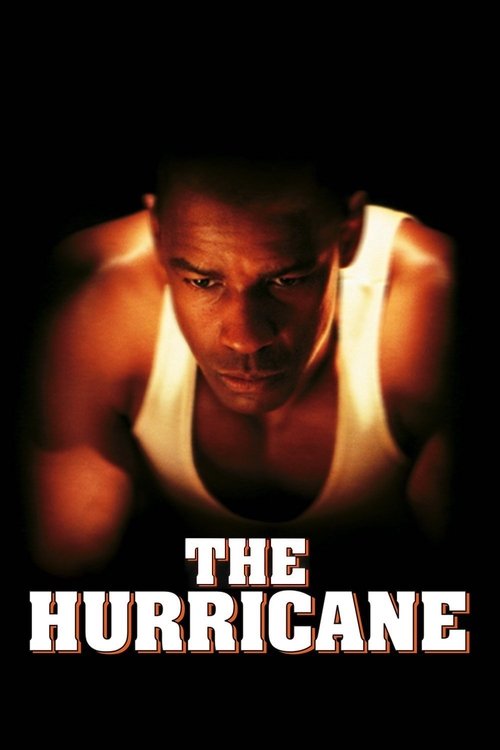
The Hurricane
The story of Rubin "Hurricane" Carter, a boxer wrongly imprisoned for murder, and the people who aided in his fight to prove his innocence.
Working with a respectable budget of $50.0M, the film achieved a steady performer with $74.0M in global revenue (+48% profit margin).
Nominated for 1 Oscar. 7 wins & 18 nominations


Plot Structure
Story beats plotted across runtime


Narrative Arc
Emotional journey through the story's key moments
Story Circle
Blueprint 15-beat structure
Arcplot Score Breakdown
Weighted: Precision (70%) + Arc (15%) + Theme (15%)
The Hurricane (1999) showcases precise story structure, characteristic of Norman Jewison's storytelling approach. This structural analysis examines how the film's 15-point plot structure maps to proven narrative frameworks across 2 hours and 26 minutes. With an Arcplot score of 6.8, the film balances conventional beats with creative variation.
Structural Analysis
The Status Quo at 1 minutes (1% through the runtime) establishes Rubin Carter sits alone in his prison cell at Trenton State, having spent nearly two decades incarcerated. The image of isolation and injustice establishes his trapped existence.. Structural examination shows that this early placement immediately immerses viewers in the story world.
The inciting incident occurs at 18 minutes when Lesra, a young Black teenager from Brooklyn being mentored by three Canadian activists, reads Carter's autobiography "The Sixteenth Round" and becomes consumed by his story, writing him a letter.. At 12% through the film, this Disruption aligns precisely with traditional story structure. This beat shifts the emotional landscape, launching the protagonist into the central conflict.
The First Threshold at 37 minutes marks the transition into Act II, occurring at 25% of the runtime. This illustrates the protagonist's commitment to Lesra and the Canadians (Lisa, Sam, and Terry) visit Carter in prison for the first time. Despite his initial coldness, Carter allows himself to connect with Lesra, choosing to let them into his life and accept their help., moving from reaction to action.
At 73 minutes, the Midpoint arrives at 50% of the runtime—precisely centered, creating perfect narrative symmetry. Structural examination shows that this crucial beat The team discovers that key witness Alfred Bello lied under police pressure, and they find evidence that Detective Della Pesca manufactured the case against Carter. A false victory: they believe they have enough to overturn the conviction., fundamentally raising what's at risk. The emotional intensity shifts, dividing the narrative into clear before-and-after phases.
The Collapse moment at 110 minutes (75% through) represents the emotional nadir. Here, After years of work, another appeal is denied. Carter, broken and despairing, tells Lesra and the Canadians to leave and never come back. He retreats into complete isolation, giving up hope entirely. The "death" of his spirit and their mission seems complete., shows the protagonist at their lowest point. This beat's placement in the final quarter sets up the climactic reversal.
The Second Threshold at 117 minutes initiates the final act resolution at 80% of the runtime. The team secures a federal habeas corpus hearing, bypassing the state courts that have repeatedly failed Carter. This new path through federal court represents a fresh strategy. Carter finds renewed strength through Lesra's unwavering faith in him., demonstrating the transformation achieved throughout the journey.
Emotional Journey
The Hurricane's emotional architecture traces a deliberate progression across 15 carefully calibrated beats.
Narrative Framework
This structural analysis employs structural analysis methodology used to understand storytelling architecture. By mapping The Hurricane against these established plot points, we can identify how Norman Jewison utilizes or subverts traditional narrative conventions. The plot point approach reveals not only adherence to structural principles but also creative choices that distinguish The Hurricane within the drama genre.
Norman Jewison's Structural Approach
Among the 13 Norman Jewison films analyzed on Arcplot, the average structural score is 7.2, reflecting strong command of classical structure. The Hurricane takes a more unconventional approach compared to the director's typical style. For comparative analysis, explore the complete Norman Jewison filmography.
Comparative Analysis
Additional drama films include After Thomas, South Pacific and Dirty Dancing: Havana Nights. For more Norman Jewison analyses, see A Soldier's Story, ...And Justice for All and F.I.S.T..
Plot Points by Act
Act I
SetupStatus Quo
Rubin Carter sits alone in his prison cell at Trenton State, having spent nearly two decades incarcerated. The image of isolation and injustice establishes his trapped existence.
Theme
Through Carter's autobiography, the theme emerges: "Hate put me in prison, love's gonna bust me out." The power of truth and perseverance against systemic injustice is established.
Worldbuilding
We see Carter's world through dual timelines: his current prison existence and flashbacks to his boxing career, the 1966 murders at the Lafayette Bar, and his wrongful conviction. Lesra Martin discovers Carter's book at a yard sale in Toronto.
Disruption
Lesra, a young Black teenager from Brooklyn being mentored by three Canadian activists, reads Carter's autobiography "The Sixteenth Round" and becomes consumed by his story, writing him a letter.
Resistance
Lesra and Carter begin corresponding. Carter is initially resistant and skeptical, having been disappointed before. The Canadian group debates whether to get involved. Carter's hardened exterior and distrust of outsiders creates friction.
Act II
ConfrontationFirst Threshold
Lesra and the Canadians (Lisa, Sam, and Terry) visit Carter in prison for the first time. Despite his initial coldness, Carter allows himself to connect with Lesra, choosing to let them into his life and accept their help.
Mirror World
The relationship between Carter and Lesra deepens into a father-son bond. Lesra's journey from illiterate teen to advocate mirrors Carter's transformation from bitter prisoner to hopeful man. Their connection embodies the theme of love conquering hate.
Premise
The Canadians relocate to New Jersey and begin investigating Carter's case. They uncover evidence of police corruption, coerced witnesses, and racial prejudice. Flashbacks reveal Carter's boxing glory and the night of the murders. Hope builds as new evidence emerges.
Midpoint
The team discovers that key witness Alfred Bello lied under police pressure, and they find evidence that Detective Della Pesca manufactured the case against Carter. A false victory: they believe they have enough to overturn the conviction.
Opposition
The legal system pushes back hard. Appeals are denied. Witnesses recant their recantations. The prosecutor fights to maintain the conviction. Carter's hopes rise and fall repeatedly. The Canadians face financial strain and exhaustion. Della Pesca works to undermine their efforts.
Collapse
After years of work, another appeal is denied. Carter, broken and despairing, tells Lesra and the Canadians to leave and never come back. He retreats into complete isolation, giving up hope entirely. The "death" of his spirit and their mission seems complete.
Crisis
Lesra and the Canadians refuse to abandon Carter despite his rejection. They continue working while Carter sits in darkness. The emotional weight of two decades of injustice threatens to crush everyone involved.
Act III
ResolutionSecond Threshold
The team secures a federal habeas corpus hearing, bypassing the state courts that have repeatedly failed Carter. This new path through federal court represents a fresh strategy. Carter finds renewed strength through Lesra's unwavering faith in him.
Synthesis
The federal court hearing unfolds. Judge H. Lee Sarokin reviews the evidence of prosecutorial misconduct and racial bias. Carter's defense team presents the accumulated proof of his innocence. The truth that was buried for twenty years finally comes to light in a court willing to hear it.
Transformation
Judge Sarokin overturns Carter's conviction, declaring it based on racism and lies. Carter walks out of prison a free man after 19 years, embracing Lesra. The final image shows Carter transformed: no longer defined by hatred but by the love that set him free.