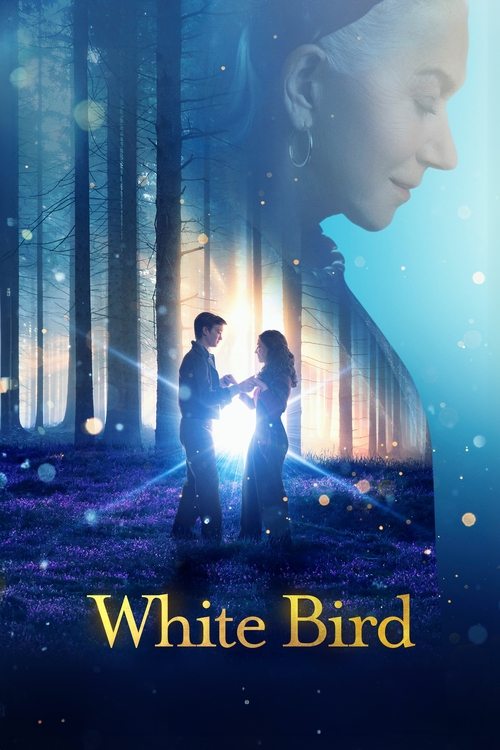
White Bird
After being expelled from Beecher Prep for his treatment of a classmate with a facial deformity, Julian has struggled to fit in at his new school. To transform his life, Julian's grandmother finally reveals her own story of courage of her youth in Nazi-occupied France, where a classmate shelters her from mortal danger.
The film financial setback against its moderate budget of $20.0M, earning $8.8M globally (-56% loss). While initial box office returns were modest, the film has gained appreciation for its unconventional structure within the drama genre.


Plot Structure
Story beats plotted across runtime


Narrative Arc
Emotional journey through the story's key moments
Story Circle
Blueprint 15-beat structure
Structural Analysis
The Status Quo at 1 minutes (1% through the runtime) establishes Present day: Julian Albans, expelled from Beecher Prep for his treatment of Auggie, video calls his grandmother Sara. She begins telling him about her childhood in Nazi-occupied France, establishing his disconnection from empathy.. Of particular interest, this early placement immediately immerses viewers in the story world.
The inciting incident occurs at 15 minutes when Nazi soldiers and French police arrive at Sara's school to round up Jewish students. Sara's parents are arrested. In the chaos, Julien grabs Sara and hides her in the back of his family's cart, saving her from deportation. Her entire world is shattered in moments.. At 12% through the film, this Disruption aligns precisely with traditional story structure. This beat shifts the emotional landscape, launching the protagonist into the central conflict.
The First Threshold at 30 minutes marks the transition into Act II, occurring at 25% of the runtime. This reveals the protagonist's commitment to Sara chooses to trust the Beaumier family completely, accepting their barn as her sanctuary rather than attempting to flee. She commits to this new hidden existence, forming a bond with Julien who brings her books, drawings, and companionship—entering a new world of connection., moving from reaction to action.
At 61 minutes, the Midpoint arrives at 50% of the runtime—precisely centered, creating perfect narrative symmetry. Significantly, this crucial beat Sara and Julien share their first kiss, and Sara draws a white bird—symbol of hope and freedom. This false victory moment represents their belief that love can transcend the horror around them. The stakes crystallize: they now have something precious to lose., fundamentally raising what's at risk. The emotional intensity shifts, dividing the narrative into clear before-and-after phases.
The Collapse moment at 91 minutes (75% through) represents the emotional nadir. Here, Vincent betrays the Beaumiers to the Nazis. Soldiers storm the farm. To save Sara, Julien creates a diversion, leading the soldiers away from her hiding spot. He is captured. The whiff of death is devastating—the boy who saved her sacrifices himself for her survival., indicates the protagonist at their lowest point. This beat's placement in the final quarter sets up the climactic reversal.
The Second Threshold at 97 minutes initiates the final act resolution at 80% of the runtime. Sara makes the choice to survive—not just for herself, but to honor Julien's sacrifice. She finds the Resistance network and resolves to carry his memory forward. The synthesis of her old privileged self with her transformed understanding of true courage begins., demonstrating the transformation achieved throughout the journey.
Emotional Journey
White Bird's emotional architecture traces a deliberate progression across 15 carefully calibrated beats.
Narrative Framework
This structural analysis employs systematic plot point analysis that identifies crucial turning points. By mapping White Bird against these established plot points, we can identify how Marc Forster utilizes or subverts traditional narrative conventions. The plot point approach reveals not only adherence to structural principles but also creative choices that distinguish White Bird within the drama genre.
Marc Forster's Structural Approach
Among the 10 Marc Forster films analyzed on Arcplot, the average structural score is 7.3, reflecting strong command of classical structure. White Bird exemplifies the director's characteristic narrative technique. For comparative analysis, explore the complete Marc Forster filmography.
Comparative Analysis
Additional drama films include After Thomas, South Pacific and Dirty Dancing: Havana Nights. For more Marc Forster analyses, see Finding Neverland, Christopher Robin and Stranger Than Fiction.
Plot Points by Act
Act I
SetupStatus Quo
Present day: Julian Albans, expelled from Beecher Prep for his treatment of Auggie, video calls his grandmother Sara. She begins telling him about her childhood in Nazi-occupied France, establishing his disconnection from empathy.
Theme
Grandmère Sara tells Julian: "You can never be ugly when your soul is beautiful." This encapsulates the film's meditation on true beauty, kindness, and looking beyond physical appearances—directly mirroring Julian's past cruelty toward Auggie.
Worldbuilding
We flash back to 1942 Vichy France. Young Sara Blum is a privileged, popular Jewish girl who dreams of ballet. She attends school with Julien Beaumier, a kind boy with polio whom she and her friends largely ignore. The ordinary world of her charmed life is established before the darkness comes.
Disruption
Nazi soldiers and French police arrive at Sara's school to round up Jewish students. Sara's parents are arrested. In the chaos, Julien grabs Sara and hides her in the back of his family's cart, saving her from deportation. Her entire world is shattered in moments.
Resistance
Julien brings Sara to his family's farm where his parents, despite the mortal danger, agree to hide her in the barn. Sara struggles with fear, grief over her parents, and the terrifying reality of her situation. The Beaumiers become her guides, teaching her how to survive in hiding.
Act II
ConfrontationFirst Threshold
Sara chooses to trust the Beaumier family completely, accepting their barn as her sanctuary rather than attempting to flee. She commits to this new hidden existence, forming a bond with Julien who brings her books, drawings, and companionship—entering a new world of connection.
Mirror World
Sara and Julien's relationship deepens as he shares his own pain of being mocked for his disability. She sees him clearly for the first time—not the boy she ignored, but a soul of extraordinary kindness. Their parallel experiences of being judged and ostracized forge a profound bond.
Premise
Sara's hidden life in the barn becomes a world unto itself. Julien teaches her to sketch birds, they share dreams, and fall in love. Despite constant danger, these moments of beauty and connection deliver the promise of the premise—finding light and love in the darkest circumstances.
Midpoint
Sara and Julien share their first kiss, and Sara draws a white bird—symbol of hope and freedom. This false victory moment represents their belief that love can transcend the horror around them. The stakes crystallize: they now have something precious to lose.
Opposition
The danger intensifies. Vincent, a collaborator classmate who suspects the Beaumiers, increases his surveillance. Nazi searches of the village grow more frequent. Sara must hide in an underground space during inspections. The walls close in as the family's secret becomes harder to keep.
Collapse
Vincent betrays the Beaumiers to the Nazis. Soldiers storm the farm. To save Sara, Julien creates a diversion, leading the soldiers away from her hiding spot. He is captured. The whiff of death is devastating—the boy who saved her sacrifices himself for her survival.
Crisis
Sara escapes into the forest while the Beaumier family is taken. Alone and devastated, she must process the loss of Julien and the family who risked everything for her. She clutches the white bird drawing, her connection to the boy she loved.
Act III
ResolutionSecond Threshold
Sara makes the choice to survive—not just for herself, but to honor Julien's sacrifice. She finds the Resistance network and resolves to carry his memory forward. The synthesis of her old privileged self with her transformed understanding of true courage begins.
Synthesis
Sara survives the war and we return to the present. She reveals to Julian that Julien died in the camps but his act of kindness allowed her to live, marry, and have Julian's mother. She shows Julian the white bird drawing—kept for decades. The past and present storylines merge in meaning.
Transformation
Julian is transformed by his grandmother's story. He reaches out to reconnect with Auggie, choosing kindness. The final image mirrors the opening: Julian on a video call, but now with tears of understanding. Like the white bird, Sara's story has set something free in him.