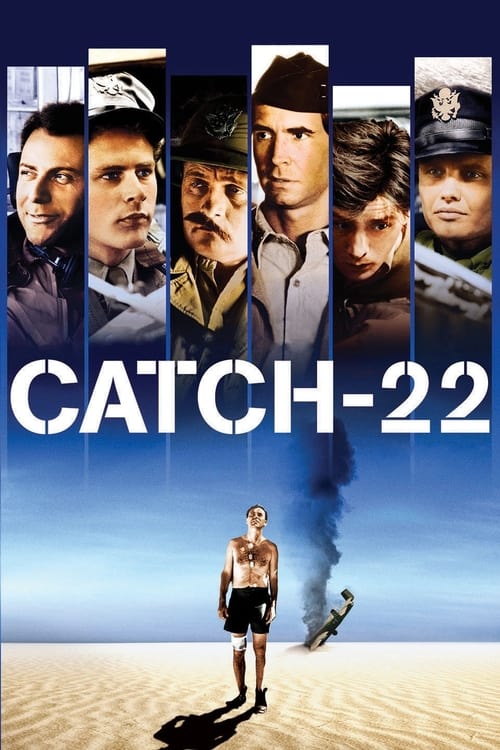
Catch-22
A WWII military pilot makes a valiant effort to be certified insane in order to be excused from flying missions. But there's a catch.
Working with a mid-range budget of $18.0M, the film achieved a modest success with $24.9M in global revenue (+38% profit margin).
Nominated for 2 BAFTA 6 nominations


Plot Structure
Story beats plotted across runtime


Narrative Arc
Emotional journey through the story's key moments
Story Circle
Blueprint 15-beat structure
Arcplot Score Breakdown
Weighted: Precision (70%) + Arc (15%) + Theme (15%)
Catch-22 (1970) showcases meticulously timed story structure, characteristic of Mike Nichols's storytelling approach. This structural analysis examines how the film's 15-point plot structure maps to proven narrative frameworks across 2 hours and 1 minutes. With an Arcplot score of 6.8, the film balances conventional beats with creative variation.
Characters
Cast & narrative archetypes

Captain John Yossarian

Captain Nately
Major Danby

Milo Minderbinder

Colonel Cathcart

Doc Daneeka

Captain Orr
Lieutenant Dobbs

Major Major Major Major
Main Cast & Characters
Captain John Yossarian
Played by Alan Arkin
A U.S. Army Air Forces bombardier who desperately wants to survive the war and is caught in the absurd bureaucratic trap of Catch-22.
Captain Nately
Played by Art Garfunkel
An idealistic young pilot from a wealthy family who falls in love with a prostitute in Rome.
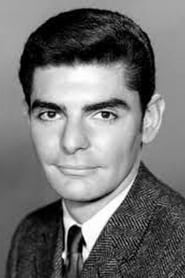
Major Danby
Played by Richard Benjamin
A nervous, intellectual operations officer who sympathizes with Yossarian but is powerless against the system.
Milo Minderbinder
Played by Jon Voight
An entrepreneurial mess officer who builds a vast black market syndicate while rationalizing profit over ethics.
Colonel Cathcart
Played by Martin Balsam
An ambitious officer obsessed with promotion who continually raises the number of required missions.
Doc Daneeka
Played by Jack Gilford
The squadron flight surgeon who is apathetic and self-absorbed, focused on his own misfortunes.
Captain Orr
Played by Bob Newhart
Yossarian's roommate and fellow bombardier who repeatedly crashes his plane but always survives.
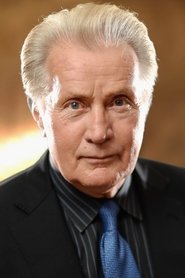
Lieutenant Dobbs
Played by Martin Sheen
A pilot who becomes increasingly unstable and suggests killing Colonel Cathcart.
Major Major Major Major
Played by Bob Balaban
An officer accidentally promoted to Major who avoids everyone by jumping out his office window.
Structural Analysis
The Status Quo at 1 minutes (1% through the runtime) establishes Yossarian sits naked in a tree watching Snowden's funeral, refusing to wear his uniform. He is already alienated, traumatized, and outside the system—establishing the fragmented, absurdist world he inhabits.. Of particular interest, this early placement immediately immerses viewers in the story world.
The inciting incident occurs at 15 minutes when Yossarian learns the required missions have been raised to 55—just as he was about to reach the previous quota and go home. The promise of escape is yanked away, revealing the system's infinite nature.. At 13% through the film, this Disruption is delayed, allowing extended setup of the story world. This beat shifts the emotional landscape, launching the protagonist into the central conflict.
The First Threshold at 31 minutes marks the transition into Act II, occurring at 25% of the runtime. This demonstrates the protagonist's commitment to Yossarian decides to go to the hospital, feigning a liver condition. He actively chooses to game the system rather than accept his fate—crossing into a world of deliberate resistance and subterfuge., moving from reaction to action.
At 61 minutes, the Midpoint arrives at 50% of the runtime—precisely centered, creating perfect narrative symmetry. The analysis reveals that this crucial beat McWatt accidentally kills Kid Sampson by flying too low, slicing him with the propeller. The playful danger becomes fatal—the absurdity isn't funny anymore. McWatt, horrified, crashes his plane into a mountain. Death is real., fundamentally raising what's at risk. The emotional intensity shifts, dividing the narrative into clear before-and-after phases.
The Collapse moment at 92 minutes (76% through) represents the emotional nadir. Here, The full Snowden flashback is revealed: during the Avignon mission, Yossarian discovers Snowden's mortal wound. "I'm cold," Snowden whispers as his entrails spill out. The secret Yossarian has been carrying—the knowledge that we are all just matter, easily destroyed—is exposed., indicates the protagonist at their lowest point. This beat's placement in the final quarter sets up the climactic reversal.
The Second Threshold at 97 minutes initiates the final act resolution at 80% of the runtime. Yossarian learns that Orr—thought drowned—actually rowed to Sweden. The man everyone thought was crazy was the only sane one, methodically practicing his escape. There IS a way out: desertion., demonstrating the transformation achieved throughout the journey.
Emotional Journey
Catch-22's emotional architecture traces a deliberate progression across 15 carefully calibrated beats.
Narrative Framework
This structural analysis employs systematic plot point analysis that identifies crucial turning points. By mapping Catch-22 against these established plot points, we can identify how Mike Nichols utilizes or subverts traditional narrative conventions. The plot point approach reveals not only adherence to structural principles but also creative choices that distinguish Catch-22 within the war genre.
Mike Nichols's Structural Approach
Among the 16 Mike Nichols films analyzed on Arcplot, the average structural score is 7.0, demonstrating varied approaches to story architecture. Catch-22 takes a more unconventional approach compared to the director's typical style. For comparative analysis, explore the complete Mike Nichols filmography.
Comparative Analysis
Additional war films include Fury, Shenandoah and More American Graffiti. For more Mike Nichols analyses, see Closer, Primary Colors and Charlie Wilson's War.
Plot Points by Act
Act I
SetupStatus Quo
Yossarian sits naked in a tree watching Snowden's funeral, refusing to wear his uniform. He is already alienated, traumatized, and outside the system—establishing the fragmented, absurdist world he inhabits.
Theme
Doc Daneeka explains the Catch-22 logic: "Anyone who wants to get out of combat duty isn't really crazy." The bureaucratic impossibility of escape is stated directly—the system is designed to trap you.
Worldbuilding
We meet the grotesque gallery of characters on Pianosa: Colonel Cathcart who keeps raising missions, Milo Minderbinder's business schemes, Major Major's absurd unavailability, and Yossarian's fellow airmen. The illogical, dehumanizing military bureaucracy is established.
Disruption
Yossarian learns the required missions have been raised to 55—just as he was about to reach the previous quota and go home. The promise of escape is yanked away, revealing the system's infinite nature.
Resistance
Yossarian debates his options: faking illness with Doc Daneeka, appealing to Major Major, confronting Cathcart. Each avenue reveals another Catch-22. His friend Orr obsessively practices ditching his plane in the sea, seemingly crazy.
Act II
ConfrontationFirst Threshold
Yossarian decides to go to the hospital, feigning a liver condition. He actively chooses to game the system rather than accept his fate—crossing into a world of deliberate resistance and subterfuge.
Mirror World
Yossarian's relationship with the Italian prostitute Luciana in Rome offers a glimpse of human connection and normalcy outside the war. She represents what life could be if he could escape the madness.
Premise
Yossarian navigates the absurd labyrinth: Milo's M&M Enterprises grows into a multinational corporation that bombs its own base, General Dreedle threatens executions, McWatt buzzes the beach. Black comedy as survival strategy in an insane world.
Midpoint
McWatt accidentally kills Kid Sampson by flying too low, slicing him with the propeller. The playful danger becomes fatal—the absurdity isn't funny anymore. McWatt, horrified, crashes his plane into a mountain. Death is real.
Opposition
Missions keep rising. Friends die: Nately is killed in combat, Dobbs and Clevinger disappear. Aarfy rapes and murders a servant girl with impunity. The system protects evil and destroys good. Yossarian's desperation intensifies.
Collapse
The full Snowden flashback is revealed: during the Avignon mission, Yossarian discovers Snowden's mortal wound. "I'm cold," Snowden whispers as his entrails spill out. The secret Yossarian has been carrying—the knowledge that we are all just matter, easily destroyed—is exposed.
Crisis
Yossarian wanders Rome in a surreal nightmare sequence, witnessing horrors: soldiers beating civilians, a dead girl, Aarfy unmoved by his crime. The world has become hell, and there is no authority to appeal to.
Act III
ResolutionSecond Threshold
Yossarian learns that Orr—thought drowned—actually rowed to Sweden. The man everyone thought was crazy was the only sane one, methodically practicing his escape. There IS a way out: desertion.
Synthesis
Colonels Cathcart and Korn offer Yossarian a deal: go home a hero if he lies for them. Yossarian initially accepts, but walking outside he is stabbed by Nately's whore. In the hospital, he rejects the corrupt bargain.
Transformation
Yossarian jumps out the hospital window and runs toward the sea, choosing to follow Orr to Sweden. He escapes not through the system but by rejecting it entirely—the only moral choice in an immoral world.