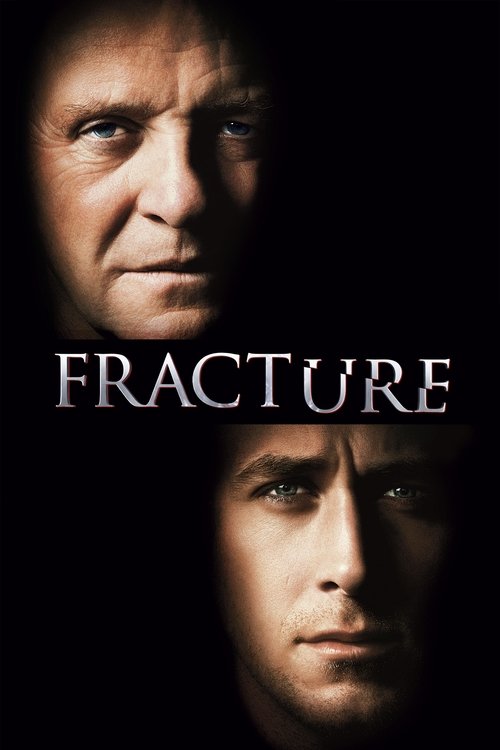
Fracture
A husband is on trial for the attempted murder of his wife, in what is seemingly an open/shut case for the ambitious district attorney trying to put him away. However, there are surprises for both around every corner, and, as a suspenseful game of cat-and-mouse is played out, each must manipulate and outwit the other.
Despite its limited budget of $10.0M, Fracture became a runaway success, earning $91.4M worldwide—a remarkable 814% return. The film's fresh perspective connected with viewers, showing that strong storytelling can transcend budget limitations.
1 win & 2 nominations


Plot Structure
Story beats plotted across runtime


Narrative Arc
Emotional journey through the story's key moments
Story Circle
Blueprint 15-beat structure
Arcplot Score Breakdown
Weighted: Precision (70%) + Arc (15%) + Theme (15%)
Fracture (2007) reveals precise narrative architecture, characteristic of Gregory Hoblit's storytelling approach. This structural analysis examines how the film's 15-point plot structure maps to proven narrative frameworks across 1 hour and 53 minutes. With an Arcplot score of 7.4, the film balances conventional beats with creative variation.
Characters
Cast & narrative archetypes

Willy Beachum
Ted Crawford
Nikki Gardner
Lt. Rob Nunally
Jennifer Crawford
Judge Robinson
Main Cast & Characters
Willy Beachum
Played by Ryan Gosling
An ambitious young prosecutor on the verge of joining a private firm who takes on what appears to be an open-and-shut murder case.
Ted Crawford
Played by Anthony Hopkins
A brilliant structural engineer who meticulously plans the attempted murder of his unfaithful wife and represents himself in court.
Nikki Gardner
Played by Rosamund Pike
A corporate attorney at Willy's new law firm who becomes romantically involved with him while he navigates the Crawford case.
Lt. Rob Nunally
Played by Billy Burke
The police detective who had an affair with Jennifer Crawford and is forced to recuse himself from the investigation.
Jennifer Crawford
Played by Embeth Davidtz
Ted Crawford's wife who is left in a coma after being shot by her husband.
Judge Robinson
Played by David Strathairn
The no-nonsense judge presiding over the Crawford trial who maintains strict courtroom protocol.
Structural Analysis
The Status Quo at 1 minutes (1% through the runtime) establishes Willy Beachum wins another case with ease, cocky and confident. He's on top of his game, about to leave the DA's office for a high-paying corporate job. His world is one of easy victories and smooth transitions.. The analysis reveals that this early placement immediately immerses viewers in the story world.
The inciting incident occurs at 12 minutes when Ted Crawford shoots his wife Jennifer in cold blood after discovering her affair. He calmly confesses to the responding officer—who turns out to be Jennifer's lover, Detective Rob Nunally. The "simple" case lands on Willy's desk as his last assignment.. At 11% through the film, this Disruption aligns precisely with traditional story structure. This beat shifts the emotional landscape, launching the protagonist into the central conflict.
The First Threshold at 28 minutes marks the transition into Act II, occurring at 25% of the runtime. This illustrates the protagonist's commitment to Crawford fires his attorney and chooses to represent himself. Willy actively commits to prosecuting the case despite warnings. He enters the courtroom world where Crawford controls the game. The case formally begins—Willy crosses into Crawford's carefully constructed trap., moving from reaction to action.
At 55 minutes, the Midpoint arrives at 49% of the runtime—precisely centered, creating perfect narrative symmetry. Of particular interest, this crucial beat False defeat: Crawford's confession is ruled inadmissible because Nunally (the arresting officer) was compromised as Jennifer's lover. The murder weapon disappears—ballistics can't match it. Without confession or weapon, Willy's case collapses. The judge dismisses all charges. Crawford walks free., fundamentally raising what's at risk. The emotional intensity shifts, dividing the narrative into clear before-and-after phases.
The Collapse moment at 84 minutes (75% through) represents the emotional nadir. Here, Jennifer Crawford dies when her life support is withdrawn. The whiff of death is literal. Willy has lost everything: the case, his job, his relationship, his reputation. He's hit rock bottom, beaten by Crawford's superior intellect and planning. Crawford has committed the perfect murder., illustrates the protagonist at their lowest point. This beat's placement in the final quarter sets up the climactic reversal.
The Second Threshold at 90 minutes initiates the final act resolution at 80% of the runtime. Breakthrough: Willy realizes Crawford's trick. The murder weapon wasn't missing—it was switched. Crawford used Nunally's identical police-issued gun. Now that Jennifer is dead (not just wounded), Willy can charge Crawford with murder. Double jeopardy doesn't apply—it's a new crime., demonstrating the transformation achieved throughout the journey.
Emotional Journey
Fracture's emotional architecture traces a deliberate progression across 15 carefully calibrated beats.
Narrative Framework
This structural analysis employs structural analysis methodology used to understand storytelling architecture. By mapping Fracture against these established plot points, we can identify how Gregory Hoblit utilizes or subverts traditional narrative conventions. The plot point approach reveals not only adherence to structural principles but also creative choices that distinguish Fracture within the thriller genre.
Gregory Hoblit's Structural Approach
Among the 6 Gregory Hoblit films analyzed on Arcplot, the average structural score is 7.1, reflecting strong command of classical structure. Fracture represents one of the director's most structurally precise works. For comparative analysis, explore the complete Gregory Hoblit filmography.
Comparative Analysis
Additional thriller films include The Warriors, Thunderball and Rustom. For more Gregory Hoblit analyses, see Fallen, Hart's War and Untraceable.
Plot Points by Act
Act I
SetupStatus Quo
Willy Beachum wins another case with ease, cocky and confident. He's on top of his game, about to leave the DA's office for a high-paying corporate job. His world is one of easy victories and smooth transitions.
Theme
Joe Lobruto warns Willy: "Don't get cocky." The theme of arrogance versus humility is stated. Willy dismisses the advice, confident he can handle anything. The case seems simple—but pride comes before the fall.
Worldbuilding
Establishment of Willy's status quo: successful prosecutor with 97% conviction rate, leaving for lucrative corporate position at Wooton Sims. Ted Crawford discovers his wife's affair, meticulously plans her murder. The stage is set showing two brilliant minds on a collision course.
Disruption
Ted Crawford shoots his wife Jennifer in cold blood after discovering her affair. He calmly confesses to the responding officer—who turns out to be Jennifer's lover, Detective Rob Nunally. The "simple" case lands on Willy's desk as his last assignment.
Resistance
Willy debates taking the case seriously. It seems open-and-shut: confession, murder weapon, motive. He's distracted by his new job and new love interest Nikki Gardner. Joe warns him not to underestimate Crawford, but Willy is confident this will be a quick victory before he leaves.
Act II
ConfrontationFirst Threshold
Crawford fires his attorney and chooses to represent himself. Willy actively commits to prosecuting the case despite warnings. He enters the courtroom world where Crawford controls the game. The case formally begins—Willy crosses into Crawford's carefully constructed trap.
Mirror World
Willy begins his relationship with Nikki Gardner, his new colleague at Wooton Sims. She represents the corporate world he's moving toward—success, money, ambition. This subplot will mirror the main theme: choosing between winning at any cost versus doing what's right.
Premise
The promise of the premise: a cat-and-mouse legal thriller. Willy investigates and prepares for trial while Crawford plays chess, always three moves ahead. The courtroom battles begin. Crawford toys with witnesses, exploits technicalities, and reveals layers of his plan. Willy realizes he's facing a mastermind.
Midpoint
False defeat: Crawford's confession is ruled inadmissible because Nunally (the arresting officer) was compromised as Jennifer's lover. The murder weapon disappears—ballistics can't match it. Without confession or weapon, Willy's case collapses. The judge dismisses all charges. Crawford walks free.
Opposition
Willy spirals as Crawford systematically destroys him. The case haunts Willy—he can't let it go. His new job suffers, his relationship with Nikki deteriorates. Crawford taunts him, always one step ahead. Willy becomes obsessed, sacrificing everything to find the flaw in Crawford's perfect crime.
Collapse
Jennifer Crawford dies when her life support is withdrawn. The whiff of death is literal. Willy has lost everything: the case, his job, his relationship, his reputation. He's hit rock bottom, beaten by Crawford's superior intellect and planning. Crawford has committed the perfect murder.
Crisis
Willy sits in darkness, processing his complete defeat. He reviews everything, looking for the flaw he missed. This is his dark night—he must let go of his arrogance and see clearly. The lesson from the Mirror World crystallizes: it's not about winning, it's about justice.
Act III
ResolutionSecond Threshold
Breakthrough: Willy realizes Crawford's trick. The murder weapon wasn't missing—it was switched. Crawford used Nunally's identical police-issued gun. Now that Jennifer is dead (not just wounded), Willy can charge Crawford with murder. Double jeopardy doesn't apply—it's a new crime.
Synthesis
Willy builds the new case with humility and thoroughness he lacked before. He confronts Crawford with the truth about the gun switch. Crawford, caught in his own arrogance, confesses to attempted murder on tape trying to gloat. Willy arrests him. The student has become the master.
Transformation
Willy watches Crawford being led away in handcuffs. Unlike the opening where he was cocky and careless, Willy is now humble and purposeful. He's learned that justice matters more than winning. The final image shows a transformed prosecutor—wiser, humbler, and truly victorious.